Our Location
5th Floor, Huake Center, Lanshan District, Linyi City, Shandong Province, China

5th Floor, Huake Center, Lanshan District, Linyi City, Shandong Province, China
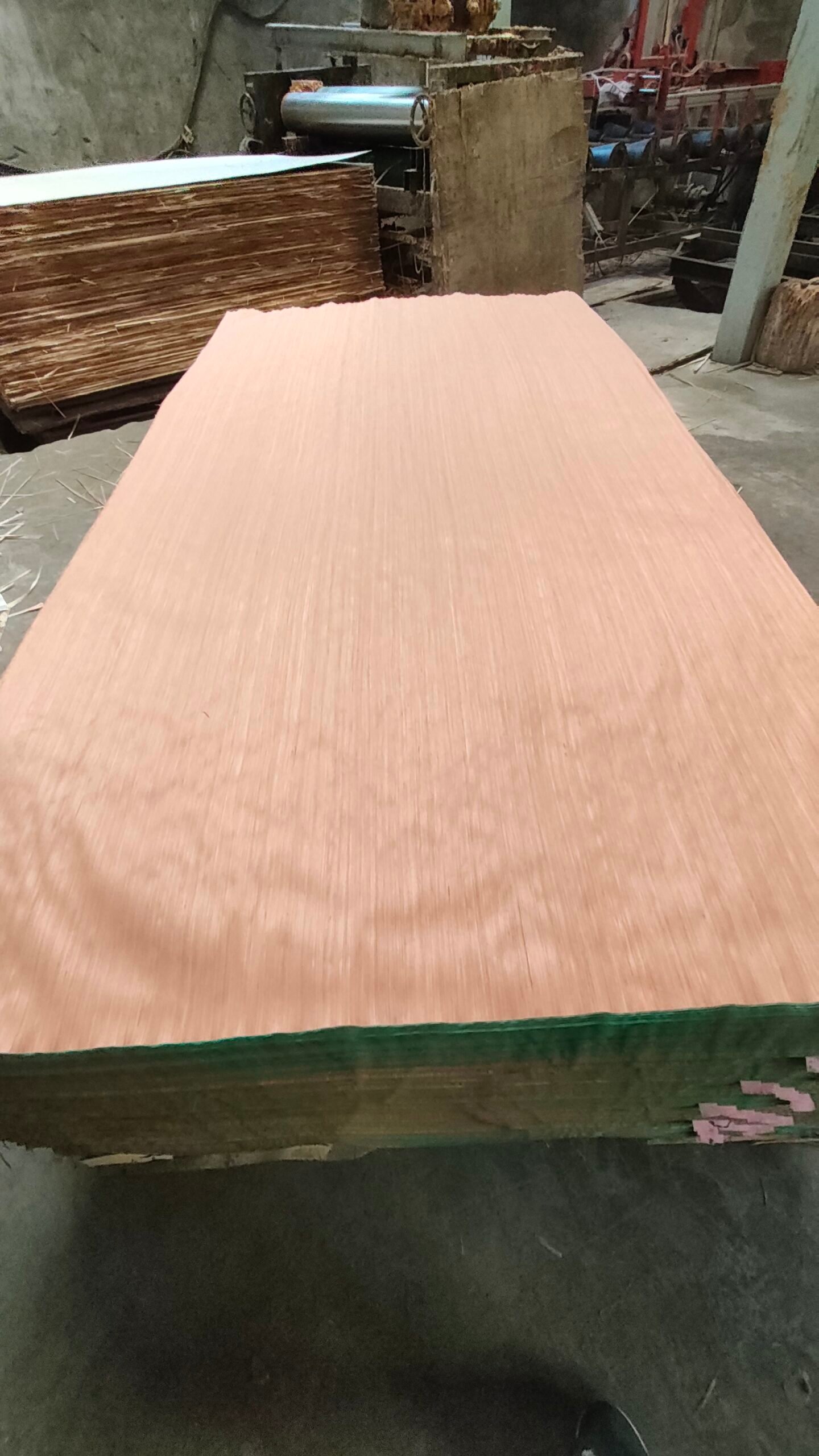
CDX plywood is the common exterior sheathing sheet behind countless jobsites, and its two-letter name summarizes the whole spec at a glance. CD describes the face grades on each side, and X stands for the exterior glue bond that holds the plies through wet weather.
The CDX reputation still leads buyers to misuse it, because the name means more than a utility face and the bond means more than the label. This guide explains the grade letters, the glue class, and the sheathing duty that CDX actually carries, plus the ordering checks that keep the delivered sheets dry and code-ready.
The CDX label packs three facts into four characters, and each one changes how the sheet behaves on the wall or the deck.
The C grade allows knots and open defects repaired with filler, while the D side allows larger voids that stay invisible in covered work. Together the faces suit panels that take siding on one side and face the studs on the other.
The two-sided grade splits the spec so the sheet never overpays for a face nobody sees. Builders read the pair as a promise about final duty, and the D side settles behind the frame while the C side waits for the siding.
X marks the exterior weatherproof adhesive that resists moisture better than an interior bond. The glue class decides how long the panel holds through rain delays and damp sites, so it matters more than the face for most framing schedules.
Buyers line CDX against the other construction panels, and the comparison usually turns on rating, bond, and face.
| Panel | Face | Bond | Typical duty |
|---|---|---|---|
| CDX plywood | CD utility faces | Exterior | Sheathing, wall and roof decks |
| Structural plywood | Rated, sanded | Exterior | Engineered spans and subfloors |
| Exterior plywood | Better faces optional | Exterior | Visible exterior panels |
| OSB | Strand mat | Exterior rated | Budget sheathing runs |
CDX anchors the framing budget with a trustworthy exterior bond and a utility face, while rated structural grades add span certification for engineered floors and roofs. The code accepts CDX where the span tables match, and the savings show up across the whole shell.
The line between them runs through the drawing, not the dust. A rated subfloor or a heavy roof deck calls for the structural stamp, while vertical sheathing walls run CDX without argument, and reading the span table before the order saves the premium where the panel never needs it.
The panel earns its keep in the covered parts of the building envelope, and each duty plays to the same strengths.
Each of these jobs hides the panel from the finished room, which frees the budget from premium faces. The exterior bond and the flat, stable build do the work the framing needs without paying for a show surface.
The same sheet also reappears in temporary work that framing crews refuse to waste premium panels on. Shoring pads, ramp decks, and hoardings all get the CDX treatment, and the exterior bond keeps those working surfaces solid through the weather they live in.
The exterior bond makes CDX weather-tolerant, but tolerance has limits the site must respect.
The X bond protects the glue lines through routine weather, while the water management on site still decides the long life. Crews cover the decks between work shifts, seal exposed edges, and dry the surface before the roofing or siding close it in.
A damp CDX sheet under a finished membrane becomes a hidden moisture problem, so the site checks moisture before it buries the deck. The reading changes the schedule for the better, because a dry panel tightens under its fasteners while a soaked one swells and telegraphs through the cover.
The grade stamp carries the bond class, the rated span for rated sheets, and the standard it was made to. Read the stamp before ordering substitutes, because the bond class and the span rating travel on the printed mark rather than the CDX name.
CDX orders follow the framing schedule, and the sizes match the standard sheet market.
Plan the sheet layout around the studs and joists before ordering, then request the count against the wall plan instead of a rough estimate. The layout reduces waste and keeps the joints landing on framing, where the panel carries its load.
Fastener spacing and edge gaps follow the same plan. The installed panel only performs when the nailing matches the schedule and the sheets breathe at the required gap, so the layout serves both the material order and the on-site fixing pattern in one drawing.
Ordering runs on a checklist that locks the bond, the face, and the moisture state in writing.
Add the packing and dunnage standard for the voyage so the sheets arrive flat and dry. Suppliers such as HYY quote the bond class, moisture range, and sheet count on the export contract, so the CDX sheathing you approve reaches the deck as ordered.
Receiving checks the bundle against that same contract, with a thickness gauge, a moisture pin, and a quick look at the faces under the wrapper. A mismatch at the dock costs one email to correct, while the same mismatch under a finished roof costs the whole schedule.
Request a sheet from the actual production batch, check thickness and edge quality, and draw a blade across the face to read the veneer and the bond. The held sample becomes the arrival reference, and the receiving crew compares every bundle against the numbers you approved.
The rest of the construction panel range fills the roles CDX never touches.
Commercial Plywood upgrades the utility duty with cleaner faces and a stiffer lay-up for general making, while Film Faced Plywood carries concrete formwork where the surface repeats pour after pour. On the interior side, Melamine Plywood pre-finishes furniture and fitting-out, MDF Board machines flat for joinery, and Chip Board holds the budget interior lines. CDX stays in its lane as the exterior framing sheet, and the range around it covers the rest of the building.
Write the CDX name, the bond class, the thickness, and the moisture range on the purchase order, and add the sample and inspection clauses. The building schedule then depends on the panel”s recorded spec instead of the four letters people remember.
What does CDX stand for in plywood? C and D name the two face grades, with the C face toward the seams and the D face toward the room, while X marks the exterior glue bond that resists moisture.
Is CDX plywood waterproof? No, CDX carries an exterior bond for weather tolerance, but standing water and long soaking still damage any panel, so the site keeps the sheets dry between framing and cover.
Can CDX plywood be used for subfloor? Rated CDX covers subfloor duty where the span tables match the joist spacing, though a rated structural grade with guaranteed span performance often earns safer floors for the little extra cost.
What is the difference between CDX and exterior plywood? Both carry the exterior bond, but exterior grades often pair it with better faces for visible panels, while CDX keeps utility faces for covered framing duty.
Is CDX OK for a roof? Yes, rated CDX sheaths roof decks on the code-approved spans, and the exterior bond rides out the weather gap until the membrane and shingles close the deck in.
How long can CDX stay exposed before covering? The exterior bond handles routine weather through a normal framing schedule, and covering between shifts plus edge sealing extends the exposure window, but prolonged wet weeks still call for a moisture check and fast cover.