Our Location
5th Floor, Huake Center, Lanshan District, Linyi City, Shandong Province, China

5th Floor, Huake Center, Lanshan District, Linyi City, Shandong Province, China
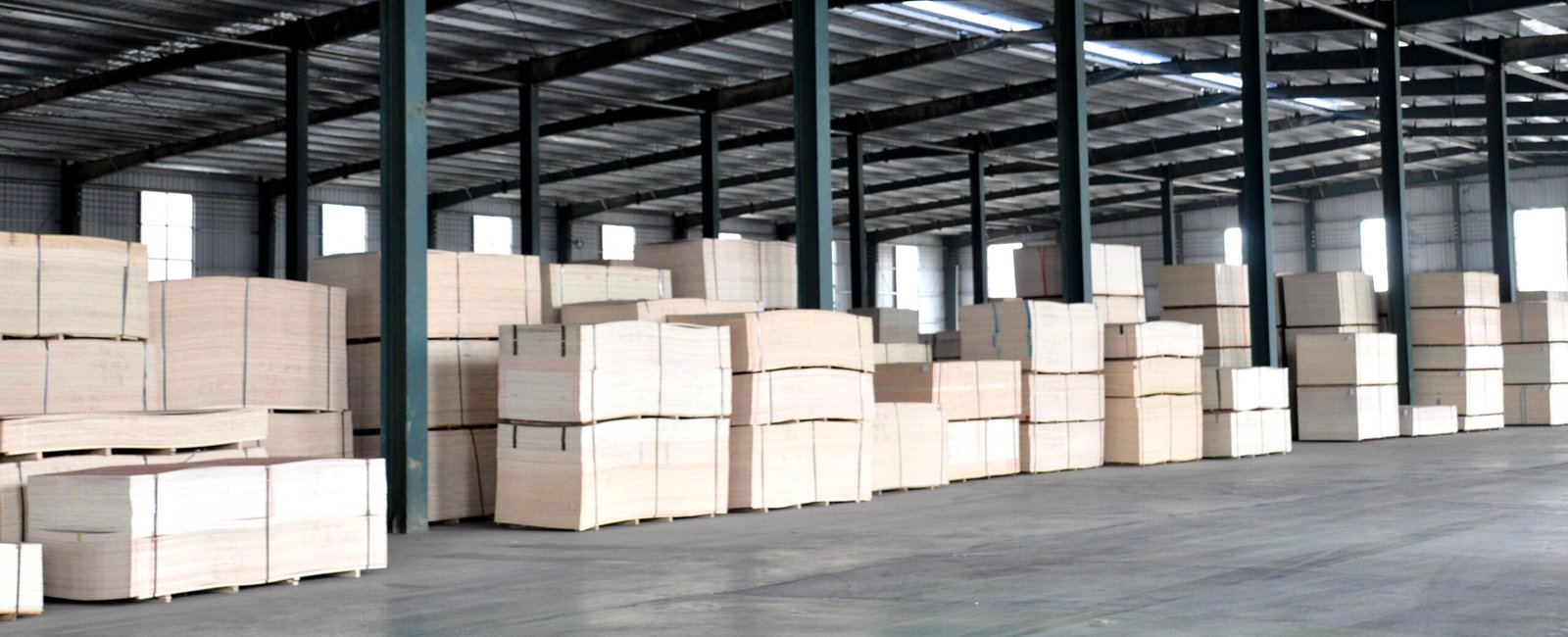
Hardwood plywood is the panel behind most quality furniture and cabinets, and the name hides a two-part spec: a hardwood face sitting on a veneer or particle core. Buyers who read only the face often under-spec the core, then watch shelves sag and hinges strip. This guide explains the faces, cores, and grades that actually carry furniture, and the order sequence that keeps the delivered panel finish-ready.
Hardwood plywood earns its price in the details that joinery tests every day: face flatness, core stiffness, edge behavior, and screw holding. Each one maps to a specification line you can lock before the container loads.
Hardwood plywood pairs a hardwood face veneer, usually birch, oak, maple, or cherry, with a core that can be more hardwood veneer, softwood, or an engineered board. The face takes the finish and the core takes the load, and the quality of the build lives in the core as much as the top sheet.
The same cross-lamination that stiffens structural panels keeps furniture sheets flat, and a balanced lay-up with the outer plies running parallel prevents the panel from cupping as humidity moves. Furniture drawers slide true and doors stay square when the panel carries a balanced build from the press.
Face species decides color, grain, and how the panel finishes. Birch offers a tight, pale grain that paints and clears evenly, oak brings an open cathedral grain for a classic furniture look, and maple reads clean and bright against any office interior.
Veneer cores step through several builds, and each one changes the panel’s price and behavior. A plywood core of all hardwood veneer stays strongest and flattest, a softwood core trims the price on general furniture, and a particle or MDF core machines smoothly but handles screw loads differently.
Core choice is the spec buyers ignore most, yet it decides hinge grip, sag, and edge finish.
| Core | Strength | Edge | Best use |
|---|---|---|---|
| All-hardwood veneer | High | Clean, paintable | Case goods and shelving |
| Softwood veneer | Medium | Good, needs trim | General furniture framing |
| Particle or chip core | Medium under load | Fuzzy, needs banding | Flat-panel cabinets |
| MDF core | Good fastener face | Machines cleanly | Painted and machined panels |
Cabinetmakers usually pair a veneer core with the hardwood face on shelves and carcases, while flat-pack lines run particle cores for the price. The drawing’s fastener and span loads pick the core, and the face picks the finish.
Core density shows up in the shop as screw holding and router behavior. A dense hardwood-veneer core keeps hinge screws from stripping and edges from blowing out, while a light particle core needs careful pre-drilling and edge banding, so the fastener schedule in the design guides the core choice.
Hardwood plywood carries face grades that rank cosmetic quality, and understanding the letters stops the overpay.
Match the grade to the surface the customer sees. A paint-grade face behind a sprayed lacquer reads identical to a premium face once finished, so the grade only earns its money where the wood shows bare under a clear coat.
Hardwood panels carry a grade for each side, so a B-B sheet shows a workable face on both sides while a B-C pair mixes a good face with a utility back. Name both faces on the order when carcases return both surfaces to the room, and save the utility back for panels that face a wall.
Joinery buyers compare hardwood plywood against melamine-faced and fiber panels, and the core logic repeats every time.
Commercial Plywood covers utility sheathing that never sees a fine face, while Melamine Plywood finishes a furniture panel in one step with a factory coating. Where painting and machining dominate, MDF Board stays flat and dense, and Chip Board anchors the budget lines of the cabinet range. Hardwood plywood sits above them where the visible wood finish and the real veneer edge carry the product.
The grouping follows the finish plan, not just the price. A clear-lacquered hardwood cabinet front demands the veneer panel, while a spray-painted carcase body saves money on MDF or melamine behind the doors, so most furniture programs mix the family instead of committing one panel to the whole build.
The hardwood face only pays off when the finish value matches the material. Clear coats, oils, and tinted lacquers showcase the grain, while an opaque paint hide the exact value that made the hardwood panel cost more, so finish selection belongs in the spec conversation.
Ordering runs on a short checklist that locks face, core, and tolerance in writing.
Add the edge and packing standards for the voyage, and confirm the delivered faces carry no shipping damage. A furniture panel arrives with the face protected or it arrives with a finish problem, so the wrapping clause belongs on the same page.
Ask for a graded sample of the actual face and core, then machine a pocket and hinge test on the same sheet. The sample shows color match, edge quality, and screw bite before production, and it gives the receiving crew a held reference for the arrival check.
Furniture faces ship face to face with clean separators and waterproof wrapping on the bundle. Damage to the face veneer at the mill or in the container becomes a finishing problem the moment it lands, so the packing clause belongs in the order alongside the grade and the moisture range.
The joinery shop tests the quality the mill claims, and a few checks at the bench settle the order.
Suppliers such as HYY state the face species, core type, and moisture range on the export contract, so the hardwood panels you approve reach the workbench exactly as specified.
Furniture panels trade in the same sheet sizes as the rest of the market, and the thickness follows the part. Three to six millimeter sheets cover backs and drawer bottoms, nine to twelve carries shelving and carcase sides, and 18 to 25 millimeter panels serve heavy tops and structural furniture frames without over-building the carcass.
What is the difference between hardwood plywood and regular plywood? Hardwood plywood carries a hardwood face veneer sized for furniture and finishing, while regular plywood uses softwood faces for structural and utility duty.
What is the best hardwood plywood core for shelving? An all-hardwood veneer core carries shelf spans with the least sag, while particle or MDF cores work for lighter flat-panel parts under a supported edge.
Can hardwood plywood be used outdoors? Not by default, because the hardwood faces and furniture cores suit interior finish work, so exterior duty needs a weatherproof-bonded exterior or film faced panel instead.
How can I check the quality of hardwood plywood? Inspect the face for color match and defects, machine an edge to judge the core, and drive test screws, then compare the sheet against the sample held from the order.
Why is birch plywood the most common hardwood panel? Birch peels into tight, consistent veneers that paint and clear coat evenly, and the species balances price and finish quality across the whole furniture market.
Does hardwood plywood warp on large painted doors? A balanced lay-up and a fast-setting finish keep large panels flat, so confirm the panel build and seal both faces to control the moisture swing across the door.
What face grade should kitchen factory orders use? Cabinet-grade faces with minor repaired defects finish cleanly under lacquer at a usable price, while premium A faces belong on standalone premium lines and visible exposed wood fronts.
Can hardwood plywood be edge banded and machined cleanly? Yes, veneer cores trim and band well, and the fine face accepts router details without fraying, which keeps the cabinet joints tight across a full production run.