Our Location
5th Floor, Huake Center, Lanshan District, Linyi City, Shandong Province, China

5th Floor, Huake Center, Lanshan District, Linyi City, Shandong Province, China
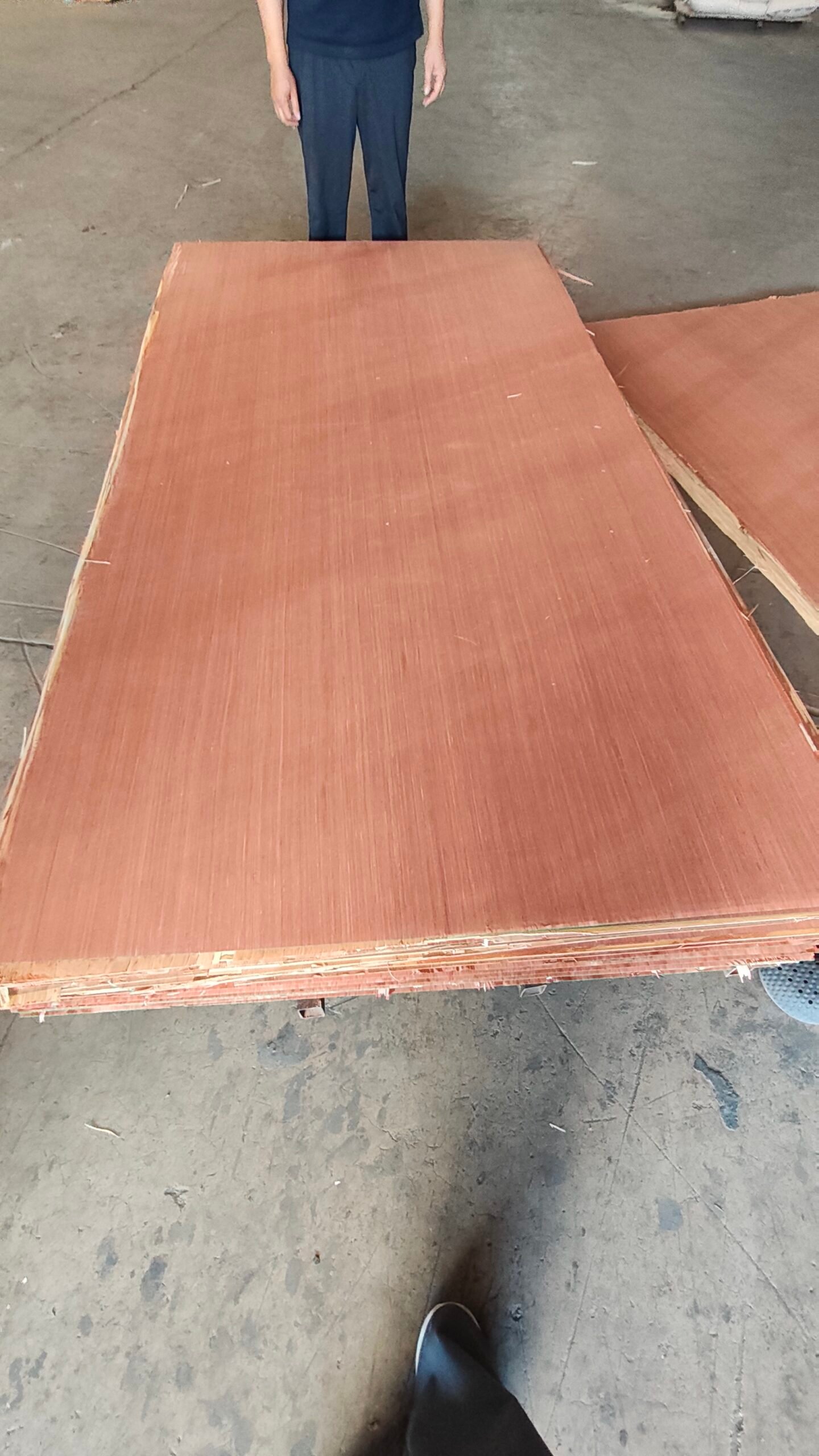
Birch plywood holds its place as the furniture shop”s workhorse panel, and the reason shows up in the machining and the finish. The bright, tight birch face cuts clean under CNC tools, paints evenly, and clears into a light furniture look that spans kitchen, office, and workshop builds.
Buyers who order birch plywood by name alone still miss the spec that decides the delivered quality. The grade, core, and lay-up each carry their own confirmation line, and this guide walks through what each one means at the bench.
Birch plywood builds its reputation from clean birch veneers laid crosswise in a balanced panel. The face veneer takes the finish, the inner plies carry the structure, and the whole build machines with predictable edges that furniture programs lean on.
Birch peels into pale, tight-grained veneer that rotates well and finishes flat. Under clear coat the face reads bright and uniform, and under paint it holds an even surface that hides nothing, which is why birch outnumbers other faces in export furniture lines.
Odd ply counts with mirrored grain directions keep birch panels flat as humidity moves. A stable lay-up lets large machined parts hold their edge and lets painted doors stay square through the finishing line and into the customer”s room.
Birch panels move with humidity like any wood, and the shop conditions the bundle to the room before CNC and assembly. Square, moisture-checked sheets keep drawers sliding and doors aligned in the delivered furniture, so the incoming moisture check earns its minutes before production starts.
Birch panels sell on face grade, and the grade letters control the price and the finish plan.
Match the grade to what the customer sees. Exposed fronts under clear lacquer need the premium face, while spray-painted carcase parts save money on cabinet-grade sheets without changing the finished appearance.
Baltic birch carries all-birch plies with tighter veneers and fewer voids, machining into crisp edges that survive CNC detail and edge banding. Standard birch mixes inner plies for price, and the two suit different parts of the same furniture factory.
The void check separates the grades at the saw. Cut a strip from the sample sheet and read the end grain for gaps between the plies, because voids surface as edge gaps and router tear-outs in production, and a void-free core earns the Baltic premium on cut-heavy work.
The workshop tests birch plywood at the spindle before the finish line ever sees it.
Birch”s consistent density turns machining into routine work. Cabinetmakers run the same tool paths without watching for voids, and the predictable chip size keeps the CNC table clean and the parts true.
Tool wear stays low as well, because birch plies cut with a steady feed and a clean chip. Bit life stretches between sharpening runs, and the router holds a consistent finish across the day, which is why production scheduling treats birch panels as the predictable material in the mix.
The face responds predictably to clear and pigmented finishes, which is the quiet reason furniture lines standardize on it.
Clear lacquer and oils warm the pale grain into a furniture finish, while tinted stains and paints cover the same face evenly. Seal the panel before staining for a level tone, and sand lightly between coats for the smooth top surface that birch finishes are known for.
Fill and sand any repaired joints before the first coat, because birch shows surface work through a clear finish. A quick leveling pass with the grain removes the machine marks that magnify under lacquer, and the finishing line runs the same prep on every sheet for a consistent bundle.
Commercial Plywood handles the utility side of a project, while Melamine Plywood carries pre-finished surfaces for fast cabinet assembly. Where dense machining and smooth paint matter most, MDF Board holds an edge, and budget flat-pack parts fall to Chip Board. Birch plywood earns the premium where the visible wood and the robust edge carry the product.
Birch ships in the standard panel sizes, and the thickness follows the part.
Order the grade, the core, and the moisture range in writing, and add the face and edge packing for the voyage. A clean face arrives clean only when the wrapping protects it, so the packing clause signs off the last mile of the order.
Confirm the bundle count against the packing list at the dock and report any face damage before the panels clear the hold. Birch faces that arrive scratched carry the problem into the finish line, so the arrival inspection protects the production schedule the same way the order spec does.
Name the face species and grade per side, choose the ply build, state thickness and size, and fix the moisture range and tolerance. Add the sample requirement and the data sheet to the contract, and the delivered bundle matches the panel the furniture line approved.
Keep the same checklist for repeat orders. Suppliers hold the production record against the approved sample, so a documented first order turns into faster confirmed runs, and the furniture program keeps the same face, core, and lay-up across the whole season.
The receiving bench verifies what the mill claims, and a short check list protects the production run.
Check moisture with a pin meter on arrival and let the bundle condition to the shop before CNC work. Suppliers such as HYY write the grade, ply build, and moisture range on the export contract so the panels reach the spindle exactly as approved.
Birch panels anchor the parts that need a clean edge and a good face at the same time. Cabinet doors, drawer fronts, CNC table tops, toy parts, and decorative paneling all favor the tight birch build, while hidden carcase parts take cheaper panels without changing the customer”s view of the finished piece.
What is the difference between birch plywood and regular plywood? Birch plywood carries birch faces and often all-birch plies for clean machining and finishing, while regular plywood uses softwood faces and cores for structural and utility work.
Is birch plywood good for CNC cutting? Yes, its dense, void-free plies route cleanly and hold tight tolerances, which makes birch a first choice for CNC cabinet and furniture parts.
Can you paint birch plywood? Yes, primed birch takes paint evenly, and sealed surfaces give the smooth, opaque finish furniture lines need behind the color.
Why is birch plywood more expensive? Birch faces peel from expensive logs in tight veneers, and the dense all-birch builds cost more to press, with the premium paying off in stable, clean-machining panels.
Is birch plywood suitable for outdoor use? No, standard birch furniture panels carry interior bonds, so exterior or damp duty belongs to weatherproof exterior and film faced plywood grades.
What thickness of birch plywood is best for furniture? Nine to twelve millimeter handles carcases and shelving, three to six covers backs and small parts, and thick 18 to 25 millimeter boards carry tops and structural furniture without extra framing.
Does birch plywood need edge banding? Exposed edges look best banded or sealed, while detailed edges in Baltic builds can stand bare under lacquer, and the decision depends on the finish plan and the moisture the part will see.
How is birch plywood graded? Panels grade the face on each side for clean veneer and matched color, and the full spec pairs the face grade with the core build, so the order names both numbers on the contract before production starts.