Our Location
5th Floor, Huake Center, Lanshan District, Linyi City, Shandong Province, China

5th Floor, Huake Center, Lanshan District, Linyi City, Shandong Province, China
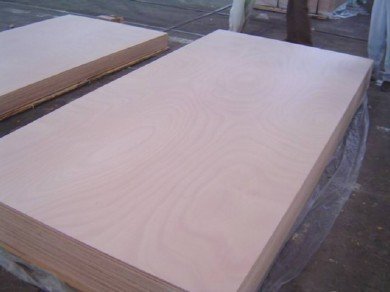
Which plywood is best has no single answer because the panel earns its keep against the duty, not the brand. A sheet that shines on a furniture face fails on a wet formwork deck, and the panel that sheathes a roof looks wrong inside a kitchen cabinet. The honest comparison runs on three specifications: the face, the core, and the bond.
Buyers who start with those three lines stop guessing at the shelves and start ordering the panel that actually carries the job.
Every plywood grade is a sentence made of these three words, and the sentence changes with the purpose. Read them before you compare stickers.
The face veneer decides how the panel looks and finishes. Sanded faces paint clearly, film faces resist concrete and water, and utility faces keep cost down behind the scenes, so the finish plan names the face before anything else.
The core plies carry the load under shelves, screws, and span. Hardwood and birch cores stay stiffer and denser, poplar and softwood cores cut weight and price, and engineered cores machine smoothly, so the fastener and span design picks the core.
The glue class decides how the panel handles moisture. Interior bonds suit dry furniture, exterior bonds ride out framing weather, and marine and film systems handle wet duty, so the site and the exposure pick the adhesive just as much as the wood.
The mill stamp carries the bond class, the grade letters, and any span rating, and it travels on the face of rated panels. Compare the stamp with the data sheet at the dealer, because the printed mark holds the facts while the marketing copy only repeats them.
The practical ranking follows the room, and each duty favors a different combination of the three specs.
Furniture fronts want a clean hardwood face on a stiff core with an interior bond. The face carries the lacquer, the core carries the shelf span, and the budget stays inside the cabinet where the finish hides the grade.
Drawers and doors add edge behavior to the list, because the front and the drawer box share the same panel family. A clean-machining core keeps the hinge screws holding and the edges crisp, which is why the furniture pick weighs the core as heavily as the face.
Framing wants a rated structural panel with an exterior bond and a span stamp. The engineered lay-up and the weatherproof adhesive matter more than the face, because the sheet sits buried behind siding and under the cover.
Concrete and repeated wet use want a film faced panel with a dense core and a phenolic film. The film sheds the pour, the core shrugs off the moisture, and the panel returns to the stack for the next pour instead of swelling apart.
Covered interior panels and light furniture parts let the price lead. Utility faces and engineered cores cut the cost where the customer never sees the surface, and the saving funds the visible areas of the build.
Grooved siding panels bring a finished texture straight from the mill, underlayment grades smooth the surface under a floor finish, and long-format sheets span walls without a mid-wall seam. When the drawing calls for a special role, the specialist panel beats the general-purpose sheet every time.
Face grades A through D arrange the surface quality, and the letter pair on the sheet names both sides.
The face pair only tells half the story, so pair it with the bond and core lines. A premium AA face on an interior bond still loses the shed, while a CD face with an exterior bond still sheathes the roof.
Regional names add another layer, with terms like marine, exterior, and structural meaning different things across markets. Translate the local name back to the three specs on the data sheet, and the grade letters travel clean across borders.
Write the panel as a sentence and the delivered sheet matches the drawing.
Add the packing and inspection clauses for the voyage, and hold the sample against the arrival check. Suppliers such as HYY list face, core, bond, and moisture range on the export contract, so the approved panel reaches the bench exactly as ordered.
Thickness carries the span, and the ply count carries the stiffness behind that thickness. A twelve millimeter sheet with seven plies holds a bigger span than a thin-ply sheet of the same size, so quote the ply count with the thickness on any load-bearing drawing.
The best pick often comes down to the family of panels, and the product range covers the spread.
Commercial Plywood takes the general construction middle ground with dependable faces and a stiff core, while Film Faced Plywood owns the wet construction side of the range. On the interior lines, Melamine Plywood pre-finishes furniture panels, MDF Board machines flat for joinery, and Chip Board anchors the budget range. Each panel earns its place when the duty names it.
Match the bond to the site, the core to the load, and the face to the finish, then let the budget choose between the panels that survive all three. That sequence turns “which plywood is best” into a spec you can order this afternoon.
The drawing sets the dimensions before the grade debate starts, and both numbers move the choice.
Match the thickness to the span and the sheet size to the layout. A panel that skips a mid-wall seam often beats a thicker panel that adds one, because every joint in the sheet is a line the fastener schedule has to control.
Cheaper panels look like savings until the duty exposes them, so score the price against the failure cost instead of the sticker.
The budget panel earns its place when the surface is covered and the site stays dry. Everywhere else, the panel that survives the duty once beats the panel that gets replaced twice, and the order math follows the life of the build.
Which is better, plywood or MDF? Plywood wins where span, screws, and moisture matter, while MDF finishes flatter and machines cheaper for painted joinery, so the answer follows the part and the finish plan.
Is expensive plywood always better? No, the premium only pays off where the duty uses it, because a pricey face on an interior bond still fails a wet deck and a premium core still hides under paint.
Which plywood is best for outdoor furniture? An exterior-bonded panel with a weather-rated face, or a film faced grade where the surfaces take hard use, since the bond decides survival beyond the fence line.
How do I know the grade of my plywood? Read the mill stamp for the bond and the grade letters, then compare the stamp against the data sheet, because the name and the finish both travel on the printed mark.
Can one panel cover the whole build? Rarely, because furniture faces, structural spans, and wet duty each need a different spec, and most orders mix several panels to pay only for what each area uses.
Does the brand decide which plywood is best? No, the face, core, and bond decide the grade, and the brand backs the factory and the inspection record, so compare the spec first and the reputation second.