Our Location
5th Floor, Huake Center, Lanshan District, Linyi City, Shandong Province, China

5th Floor, Huake Center, Lanshan District, Linyi City, Shandong Province, China
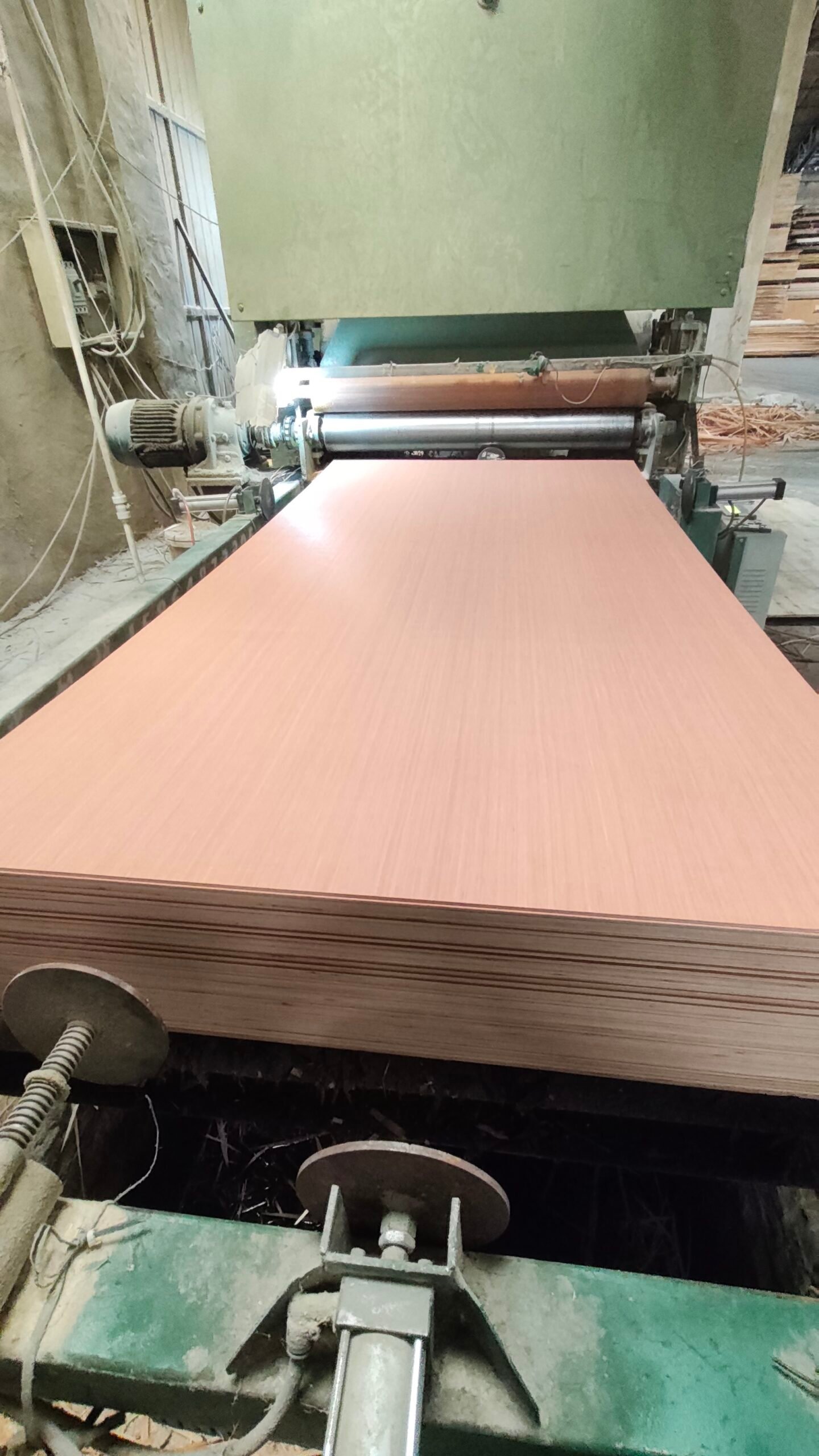
Plywood vs drywall is the first argument on any utility wall job, and the answer depends on what the wall has to survive. Drywall finishes cheap and paints flat, while plywood anchors shelves, shrugs off bumps, and laughs at ladders and rolled carts. This guide compares the two panels on the qualities a workshop or garage actually tests, then hands each one its proper rooms and the buying spec that goes with it.
Buyers usually start from the sticker price and end up replacing panels, so the honest comparison covers labor, damage, and the fastening load the wall will carry over years of use.
Drywall covers an interior surface with a gypsum core and a paper face, and its whole appeal lives in the finish. It tapes, muds, and paints into a flat, seamless surface that hides framing, and the finishing system is a decades-old trade with standard details.
A finished drywall wall presents a smooth, uniform substrate that takes a coat of paint with no grain and no prep work. That advantage decides most living rooms and bedrooms, where the look of the wall outweighs what the wall can hold.
Gypsum brings its own talents beyond the finish line. Drywall resists fire better than a bare wood surface and adds sound mass between rooms, both of which matter in houses with shared walls and separations. Builders who need those properties keep drywall for the fire and acoustic separations and let plywood handle the working walls.
Drywall crumbles at drilled anchors, tears under a shifted shelf, and swells when it stays wet. A garage wall that takes a ladder swing, a trolley knock, or a dripping pipe shows damage within weeks, and repair means patching compound and a repaint.
A plywood wall panel brings real load-bearing ability to the surface because the screw bites into cross-laminated veneers instead of gypsum powder. Shops and garages finish in plywood precisely for that grip, and the panel also absorbs impacts that would break a drywall face.
A screw driven into plywood takes hundreds of pounds of pull in the top veneers, so shelving brackets, tool boards, and heavy cabinets hang without spread anchors. That single property converts a wall from a surface into a storage system, which is what workshops actually need.
Bonded plywood handles damp better than gypsum, and an exterior-bonded sheet stays usable even after a plumbing drip or condensation appears. The wood swells and dries, while drywall softens and crumbles, which is why utility rooms that see water lean toward plywood or a water-rated board.
Change is another quiet win for plywood. A shelf scheme that shifts every season moves easily on a plywood wall because the old screw holes fill or close, so the crew drills a fresh line of fixings and the panel holds again. Drywall collects the same holes as a history of failed anchors that patchwork never fully hides.
Put the two on a table and the decision almost writes itself.
| Property | Plywood | Drywall |
|---|---|---|
| Fastener grip | Strong, screw-friendly | Weak, needs anchors |
| Impact resistance | High | Low |
| Moisture tolerance | Good with exterior bond | Poor |
| Finishing speed | Slower, needs paint or cover | Fast, smooth surface |
| Price per area | Higher | Lower |
Drywall wins the finish race and the first-purchase price, while plywood wins everything that happens after the wall goes up. The tally usually comes down to whether the room stores things or shows them.
Workshops, garages, utility rooms, and storage areas all reward plywood because they hang heavy items and take daily knocks.
Each of these rooms spends its life holding weight and resisting incidental damage, and that is plywood territory. A drywall version of the same room wears anchors, dented corners, and repaint cycles for as long as the building stands.
Unheated garages in damp climates run their own moisture cycle through the year, condensing on surfaces when the air turns cold. A moisture-resistant plywood survives that cycle while drywall mottles and softens, so the water-prone utility room almost always tips the choice toward a bonded panel.
Living rooms, bedrooms, and hallways stay in drywall because the finish is the product. The distinction keeps the budget honest: finish-grade surfaces buy the smooth look, and utility surfaces buy the hold-it-and-hit-it panel.
The total price gap narrows once labor joins the sheet prices, so the comparison deserves a second read.
Projects that do their own finishing feel the difference immediately. A utility room finished in plywood skips the mud-and-tape cycle entirely, and the room becomes usable the day the paint dries.
The same labor math holds at repair time. A dented drywall corner sparks a whole repair cycle, while a scraped plywood panel sands and repaints in an hour, so the rooms that actually get hit cut the maintenance bill by choosing the tougher surface the first time.
When the wall job lands on plywood, the sheet spec follows the room’s moisture and appearance needs.
Commercial Plywood covers the general workshop and garage wall with a good balance of strength and price, and an exterior bond extends it into damp rooms. Where a smooth, paintable face matters more than structure, MDF Board paints nearly as flat as drywall, Melamine Plywood finishes a wall with a clean coating in one step, and Chip Board keeps the budget floor for dry storage areas. The wall’s load list picks the grade, and the room’s humidity sets the bond class.
Order the thickness by the stud spacing and the screw load, confirm the bond for damp rooms, and request the moisture range on the packing list. Suppliers such as HYY write the grade, bond, and size on the contract so the wall panels match the spec from the first sheet.
Standard 2440 by 1220mm sheets cover a stud bay with one joint at the midpoint of the wall, and full-height runs reduce seams near the floor where knocks happen. Plan the sheet layout with the stud positions before ordering, and the panel count falls out of the wall plan instead of a guess.
Is plywood cheaper than drywall? Drywall costs less per sheet and finishes fast, while plywood saves on anchors, repairs, and replacement over the life of a utility wall, so the lower sticker often loses the long-term comparison.
Can you use plywood instead of drywall on interior walls? Yes, plywood works as a finished wall with paint or a clear coat, and it suits garages, shops, and utility rooms far better than drywall for load and durability.
What thickness of plywood should I use for walls? Nine to twelve millimeter sheets cover most studded walls, with thicker panels where heavy shelving or point loads demand more bite in the fasteners.
Does plywood look good as a finished wall? Sanded plywood paints cleanly or clears to a warm wood finish, and many utility rooms leave it natural, so the look depends on the face grade and the finish you buy.
Can I mix plywood and drywall in one room? Yes, many builders sheathe the working wall in plywood and drywall the opposite surface, tuning the cost and the finish room by room instead of settling on one grade everywhere.
Is plywood more fire resistant than drywall? No, gypsum carries deliberate fire-retardant properties that bare wood lacks, so keep drywall or rated panels on the fire separations and save plywood for the surfaces that hold loads.
Can you hang kitchen cabinets directly on plywood? Yes, plywood walls take cabinet screws directly without studs or anchors, which is why installers favor plywood blocking or sheathing behind heavy cabinet runs.
Which side of a plywood sheet faces the room? The smoother sanded face meets the room, with the utility face to the studs, and the face grade you buy should carry the finish you plan for the visible surface.