Our Location
5th Floor, Huake Center, Lanshan District, Linyi City, Shandong Province, China

5th Floor, Huake Center, Lanshan District, Linyi City, Shandong Province, China
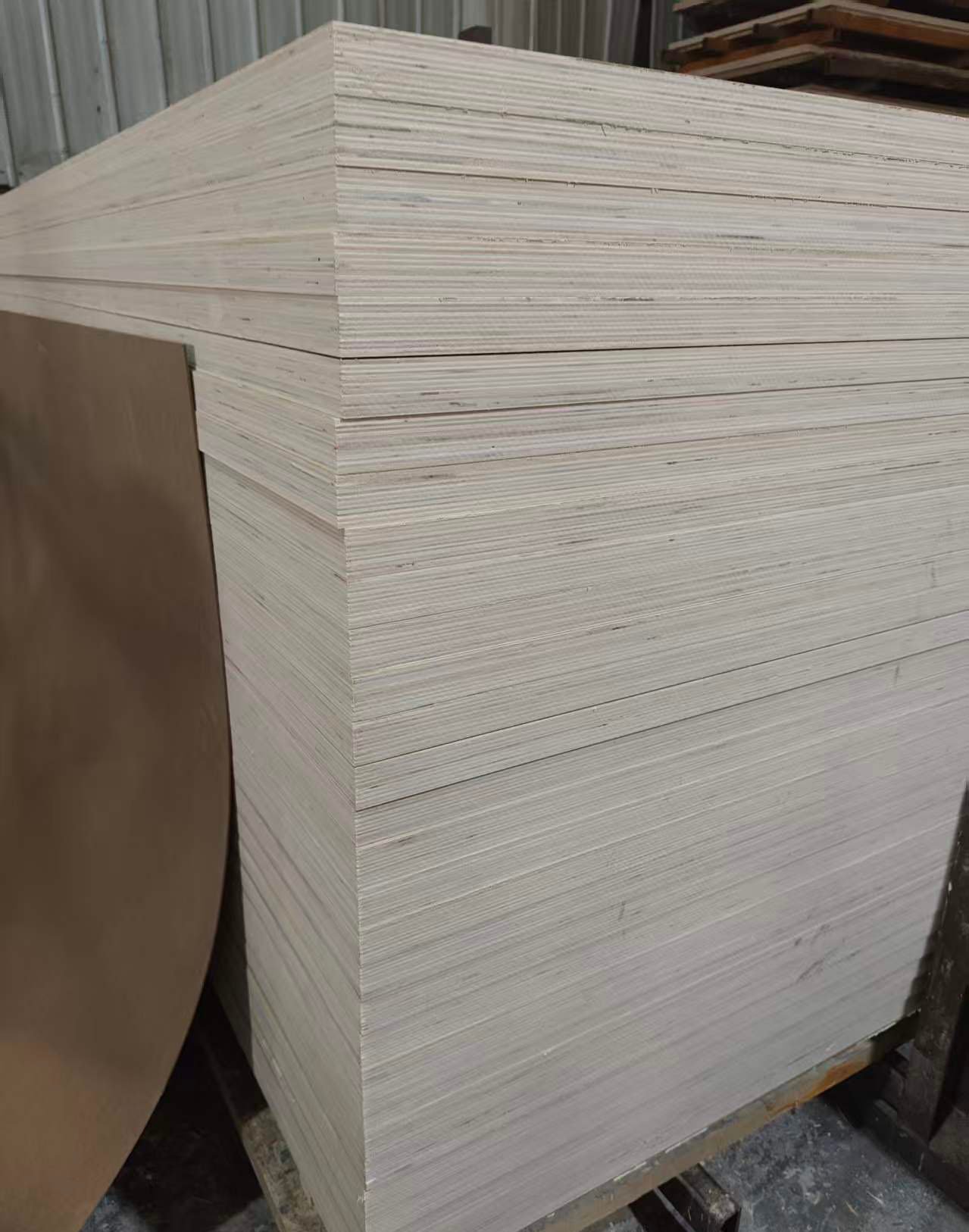
Plywood exterior grades exist for one reason: ordinary plywood fails when water lingers, and exterior panels carry a fully weatherproof bond that survives the rain, the sun, and the condensation of outside service. This guide explains what the exterior label really promises, which ratings and treatments matter, and the finishing steps that keep exterior panels working for years. Use it before you order panels for cladding, forms, or outdoor structures.
The word exterior tells you the glue can handle moisture, but it says nothing about the wood’s own appetite for water. Paint, edge sealing, and good detailing still decide how long the panel stays flat and sound.
An exterior-rated plywood panel bonds every veneer with a waterproof adhesive that survives full weather exposure. The bond class appears on the stamp, and it separates genuine exterior stock from interior and moisture-resistant panels that would delaminate in the same job.
The adhesive system does the heavy lifting. Phenolic and melamine resin families cure into bonds that shrug off rain cycles, temperature swings, and the alkaline chemistry of fresh concrete, while interior glues soften and shear under the same treatment within weeks.
Interior glues suit dry rooms, moisture-resistant adhesives tolerate damp indoor spaces, and exterior or weatherproof bonds carry the outdoor duty. Marine grades sit above exterior with stricter veneer and void limits, but the honest reading of the stamp decides the purchase order, not the marketing name.
Some markets grade panels by exposure rather than bond name, with labels that describe the wet cycle the panel proved in testing. Read the exposure rating on the stamp and match it to the site, because a panel rated for brief dampness may still fail in a permanently wet environment.
Exterior panels also carry face grades, and the face you choose changes both the price and the finish plan. A sanded face paints cleanly and suits cladding, while a sheathing face handles hidden structure, so pick the face by what the final exterior surface needs to look like.
Buyers compare exterior plywood against marine panels and pressure-treated boards, and each one answers a different question about outdoor duty.
| Product | Glue class | Veneer limits | Best duty |
|---|---|---|---|
| Exterior plywood | Weatherproof bond | Standard | Cladding, forms, general wet service |
| Marine plywood | Fully waterproof | Strict, low void | Boats and immersion |
| Treated plywood | Varies by line | Standard | Ground contact, insect zones |
| Film faced panel | Weatherproof | Standard | Concrete formwork |
Exterior stock earns its keep where the panel meets weather but not permanent immersion. Marine grade buys stricter veneer control for hulls and decks, while treated panels resist rot in ground contact, which means the site exposure picks the product rather than any single name.
The price ladder follows the duty. Exterior panels cost more than interior stock because the adhesive system and the moisture checks cost more, and marine or treated products climb further for their stricter standards, so buyers who match the exposure to the product stop paying for capability they never use.
The exterior family serves a wide set of wet and weathered jobs, and each application leans on the weatherproof bond in a different way.
Structural sheathing in construction relies on the same weatherproof bond because the panel may sit exposed between framing and the finished cladding. Consequently, builders order exterior-bonded sheathing even where the final wall finishes dry.
Concrete formwork presses the same panels against wet, alkaline slurry for every pour, and exterior bonds survive exposure that kills interior stock in a single cycle. Formwork buyers then add a film face for surface quality, but the weatherproof bond underneath stays the floor requirement.
Exterior grade resists delamination, yet the wood face still weathers without protection. A breathable exterior primer and paint, sealed edges, and ventilated detailing keep the surface from checking and staining, and they extend the panel’s outdoor life far beyond the bare product’s reach.
The practical pick follows the exposure and the structural duty of the project.
Commercial Plywood in an exterior bond covers general sheathing and outdoor works at a balanced price, while Film Faced Plywood adds the resin surface that rejects concrete and repeated wet use. Interior contrasts keep the spec honest: MDF Board and Chip Board stay inside because their fiber and chip cores swell under moisture, so exterior duty belongs to the veneer panels with the weatherproof stamp.
Confirm the printed bond class on the delivered sheets and compare it with the contract. Exterior and weatherproof words appear on the panel face, but the region’s rating mark carries the code weight, so cross-check both before the receiving report closes.
A quick soak test at arrival adds certainty without equipment. Stand a small off-cut in water with its end grain submerged, then check the glue line after a few days, because a sound exterior bond stays firm while a mislabeled interior sheet starts to split at the edges.
Outdoor stock ships throughout the year, and the order file should lock the moisture story from the press to the site.
Sea humidity attacks unprotected panels during the crossing, so confirm the packing standard rather than assuming it. Edge-sealed, film-wrapped bundles land with the moisture profile the data sheet promised.
Arrange the inspection on arrival against the same numbers. Measure thickness and moisture on bundles from different positions in the container, photograph any damp corners, and record the results with the batch stamp before the stack moves into storage.
Collect the batch stamp, the bond certificate, and the moisture test results with the quotation. These records give the receiving crew the numbers to verify, and they settle any later delamination claim at the batch level instead of at the argument level.
Even the best exterior panel returns what the detailing gives it, so the storage and installation steps matter as much as the spec.
Suppliers such as HYY state the bond class, exposure rating, and edge sealing on the export contract, so the exterior spec you approve survives the voyage and the weather.
Is exterior plywood waterproof? The bond is weatherproof, meaning the glue survives exposure, but the wood still takes on moisture, so paint, edge seal, and drainage still protect the panel.
What is the difference between exterior and marine plywood? Marine grade adds stricter veneer quality and void control for immersion service, while exterior grade covers general weather exposure at a lower cost.
Can exterior plywood sit directly on the ground? Ground contact introduces rot and insect risk, so use treated panels or raise the assembly on durable supports instead of relying on the bond class alone.
Does exterior plywood need painting? Not to stay bonded, but paint extends the face life, hides checking, and keeps stains away, so finishing pays off for exposed panels.
What thickness of exterior plywood should I use outdoors? Match the thickness to the span and the live load, with 18mm covering general structures and thinner sheets serving cladding and lightweight panels.
How long does exterior plywood last outdoors? With proper paint, edge sealing, and drainage, exterior panels serve for decades, while a bare, edge-exposed panel may start checking and staining within a few years of direct weather.
Does exterior plywood warp in the sun? Temperature swings dry the face and pull at the surface, so coat both sides and keep the panel ventilated to balance the moisture exchange and limit bow and check.
Can I use exterior plywood for interior work? You can, but the weatherproof bond costs more than the interior task needs, so reserve exterior stock for wet exposure and keep interior panels for dry rooms to control the budget.