Our Location
5th Floor, Huake Center, Lanshan District, Linyi City, Shandong Province, China

5th Floor, Huake Center, Lanshan District, Linyi City, Shandong Province, China
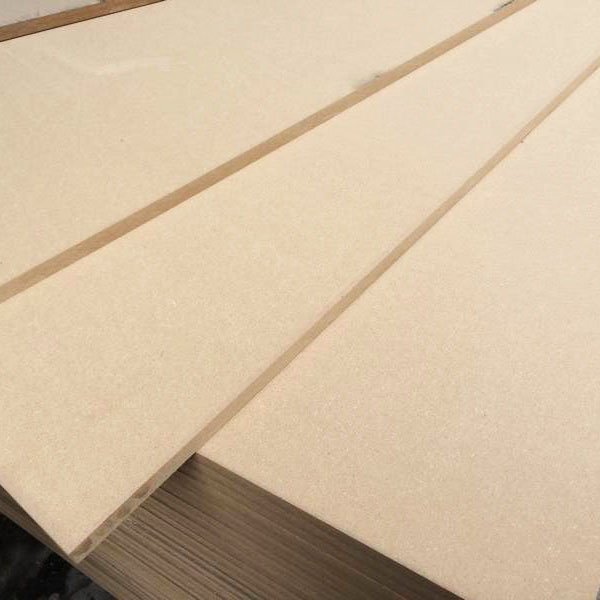
How plywood is made explains most of its behavior on site. The panel gets its stiffness from cross-laminated veneers, its weather resistance from the glue line, and its flat surface from grading and sanding, so each production step shows up in the finished sheet. This guide walks the line from log to stamped panel and translates each step into what a buyer should check before ordering.
Every panel you lift at a supplier site started as a rotating log, a knife, and a measured drying cycle. The quality you feel in a good sheet is the sum of decisions made long before the press closed.
Production starts with log selection, because the species, diameter, and soundness of the peeler logs limit what the veneer can become. Manufacturers choose straight, defect-light logs with enough diameter to produce wide veneer, and they reject logs with rot or heavy knots before the bark ever hits the line.
Fresh logs get soaked in hot water or steamed in conditioning vats before peeling. The treatment softens the wood and raises its temperature evenly, which lets the knife cut a continuous veneer instead of fracturing the surface. Cold or poorly conditioned logs produce brittle veneer that tears at the spool and carries cracks into the panel.
A peeler log is grown and chosen for veneer, while a sawmill log suits beams and boards. The same tree species can supply both, but veneer grade demands a clean cylinder and uniform rings, which is why plywood mills bid on different log lots than sawmills across the same region.
Face species often dominates the marketing story, but the core species sets the price and the stiffness. Softwood cores stay light and economical for general panels, while hardwood cores lift density, screw retention, and formwork duty. State the core species in the order, because buyers who quote only the face grade often discover the core species only when the panels arrive.
Peeling spins the conditioned log against a long knife and draws a continuous veneer ribbon off the surface, like unrolling a paper towel. The ribbon is then clipped to panels, stacked, and moved to the drying line.
Knife settings and log temperature fix the veneer thickness, and mills hold that number tightly because leaf thickness governs ply count and panel strength. A factory that keeps its knives sharp and its conditioning cycles consistent produces uniform veneer, while a drift in set-up shows up as weight and thickness drift in the finished sheet.
Green veneer leaves the peeler at high moisture, and drying pulls it down to the band the glue needs. Poor drying leaves dry spots that starve the glue line and wet patches that blister under heat, so the drying profile is one of the strongest predictors of panel flatness later.
Peeling always leaves micro-cracks on the tight side of the veneer, called lathe checks. Good mills load the veneer with the checked side facing inward in the lay-up, which hides the cracks inside the panel, while careless stacking exposes damaged faces. Consequently, buyers can inspect the finished face for fine surface checking and judge how carefully the peeling line was run.
Dried veneer passes through grading, where operators patch voids and sort plies by face quality. The sorted veneer then moves to the glue line, where the resin meets the sheets that become the core and faces.
Veneer surface quality feeds straight into the glueing step. Faces destined for paint, film, or veneer overlays need a tight grain with few patches, while core plies tolerate open grain because their job is stiffness rather than appearance. Graders therefore split the dried veneer into separate stacks, and the grade mix a factory accepts for a contract decides what the finished face looks like at delivery.
| Process step | What it controls in the panel |
|---|---|
| Veneer grading | Face appearance and core soundness |
| Moisture check | Glue bond strength and flatness |
| Glue distribution | Uniform bond line with no dry spots |
| Cross-laid stacking | Bidirectional stiffness and strength |
| Press temperature and time | Adhesive cure and panel density |
Layers stack with the grain alternating at ninety degrees, which evens out the strength in both panel directions. Wood moves with its grain, so cross-lamination limits how much the sheet expands, warps, and frays under load compared with solid boards cut from the same log.
The resin choice sets the bond class printed on the sheet. Interior panels use moisture-sensitive adhesives that suit dry rooms, while exterior and structural panels use weatherproof glues that survive condensation, rain-washed sites, and repeated wet service, and each class needs its own press cure to reach full strength.
Spreader settings control how evenly the adhesive covers the veneer. A light film starves the bond line and produces hollow sounding panels, while a heavy film bleeds through the face and stains the surface. Many buyers miss the glue spread because it never appears in a brochure, yet it is one of the fastest ways to tell a careful mill from a fast one.
Stacked veneer layouts travel into a hot press that squeezes the pack and cures the adhesive under measured heat and time. The pressing parameters leave their mark on thickness, density, and flatness, which is why pressing discipline separates dependable mills from variable ones.
Short press cycles can cure the edges of the panel while leaving the middle under-cured, so industrial presses hold the full pack at temperature long enough for an even cure. Consequently, visible thickness uniformity across a bundle signals a press that runs the right cycle for its glue system.
After the press, panels get square-trimmed, sanded to face grade, and graded into the finished product families that reach the export market.
Trimming machines square the sheet to the trading size, sanders open or polish the face, and profiling lines add tongue-and-groove edges for flooring and sheathing. Buyers ordering finished sizes should confirm the trim tolerance, because a panel that arrives oversized fails on jobs where panels sit edge to edge.
Finished panels carry stamps that record bond class, agency, and grade, then move to the banding station. The packing line wraps bundles, seals edges where required, and labels batches so the container holds a traceable story from press to site.
Grading follows national and buyer-defined standards that split panels by face appearance and core soundness. State the grade you accept in the contract before production, because mills schedule grade mixes weeks ahead and a last-minute downgrade request slows the whole container.
Understanding the manufacturing sequence turns a spec sheet into a practical checklist. Instead of trusting a single photo, verify the steps the supplier controls and the records they keep.
The same production line explains the product family. Commercial Plywood covers the workhorse grades of the same process, Film Faced Plywood adds the resin surface after pressing, and Melamine Plywood combines a plywood core with a decorative face for furniture. By contrast, Chip Board skips the veneer line entirely and builds panels from engineered wood chips, which is why its strength profile differs from plywood. HYY publishes the moisture range, bond class, and stamp details for its panels, so the manufacturing story stays readable from the press door to your receiving dock.
Is plywood stronger than a solid board of the same thickness? Cross-lamination spreads loads in two directions and limits warping, so plywood usually outperforms a solid board across the sheet for structure and stability.
Why does plywood have an odd number of layers? Odd ply counts keep the face plies parallel, which balances the two outer layers and prevents the panel from bending or cupping as moisture moves through it.
What does the glue class on a sheet mean? The glue class states the adhesive bond’s weather tolerance, and exterior or structural grades demand a weatherproof or marine bond that survives wet service.
How long does the manufacturing cycle take for a full order? A production run lasts several weeks from log selection to packed container, so buyers book production windows ahead of the construction calendar.
Can I tell plywood quality by weight? Weight signals density and void content, but thickness, ply count, and moisture range matter just as much, so judge quality against the full data sheet rather than weight alone.
Does the manufacturing process differ for marine grade? Marine grade adds stricter veneer quality limits and a fully weatherproof bond with fewer voids, but the core steps of peeling, cross-lamination, and pressing stay the same from the log yard to the finishing line.