Our Location
5th Floor, Huake Center, Lanshan District, Linyi City, Shandong Province, China

5th Floor, Huake Center, Lanshan District, Linyi City, Shandong Province, China
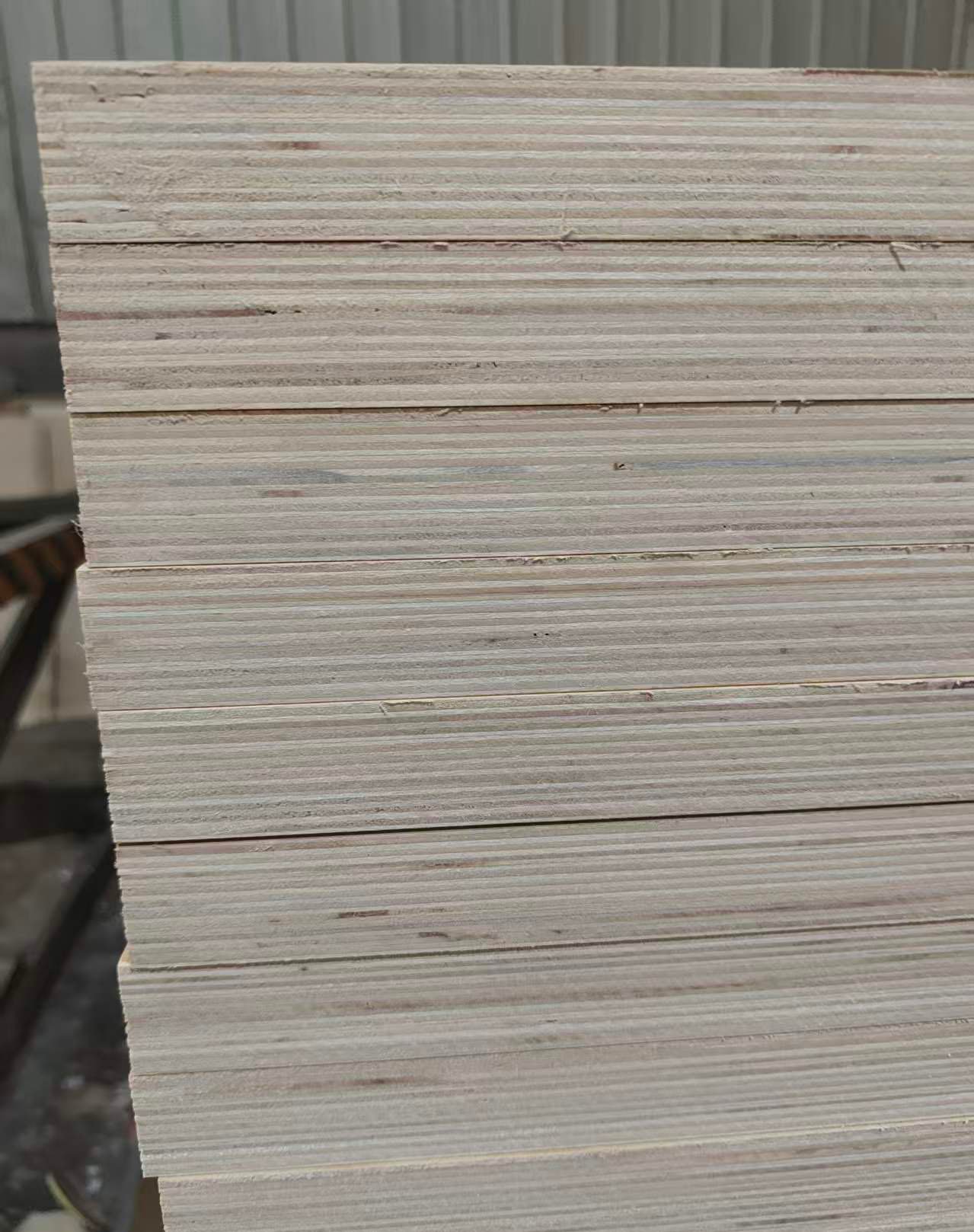
Construction grade plywood sits between budget builders sheets and rated structural panels, serving sheathing and framing jobs where the sheet carries real structure without the full stamp system of an engineer’s grade. This guide separates the name from the spec, explains the span and bond questions that decide the purchase, and gives the ordering checklist that keeps the delivered panels matched to the job.
Suppliers use construction grade loosely, so the face grade, thickness, and glue class matter more than the label itself. Read those three numbers, and the grade name stops being a source of surprises.
Construction grade plywood describes sheathing-quality panels built for walls, floors, roofs, and sub-floors. It carries a solid full-veneer core with a face that tolerates knots and repairs, and it relies on the bond class rather than appearance to earn its place in the framing package.
The grade earns its keep in volume. Framing packages consume hundreds of sheets per project, and the gap between a construction sheathing face and a polished joinery face multiplies across every floor, so the construction grade’s tolerance on appearance keeps whole projects within budget.
Sheathing faces accept open knots and minor patches because the surfaces get covered by siding, flooring, or cladding. The tolerance on the face lets the mill control cost, and it explains why the same sheet can carry structure at a much lower price than a finish-grade panel.
Sub-floors and roof decks face moisture during construction even when they finish dry, so builders usually specify moisture-resistant or exterior bond on construction grade. Check the stamp for the glue class, because the construction name alone never promises how the sheet treats water.
The three names overlap at the edges, and buyers save money when they know exactly which duty each one covers.
| Product | Core and face | Bond class | Duty |
|---|---|---|---|
| Builders grade | Utility face, budget core | Interior to exterior options | Crating, hoarding, backing |
| Construction grade | Sheathing face, solid core | MR to exterior | Framing, sub-floors, decks |
| Structural plywood | Rated stamp, controlled lay-up | Weatherproof | Engineered spans |
| Commercial plywood | Clean full veneers | MR to weatherproof | General sheathing and panels |
Buyers upgrade from builders grade when the sheet carries framing duty, and they step up to structural when the drawing names a span or an engineer’s rating. The middle ground covers the vast amount of residential and light commercial work that needs dependable sheathing without a full stamp dossier.
Construction panels follow span tables more than habit, so the thickness responds to the joist or stud spacing on the drawing.
Read the manufacturer’s span table for the specific sheet, because two panels of the same thickness can rate different spans when the ply count changes. Nominal thickness serves the conversation, while the span rating serves the engineer.
Some construction markets stamp panels with agency span and bond ratings that code acceptance at the framing stage. Where the code demands such a stamp, the sheet must carry that exact rating, and substituting a similar-looking unrated panel fails inspection even if the price is better.
Sub-floors carry the finishing floor and walkway traffic, so they need a stiff, well-bonded panel with controlled deflection. Roof decks face different loads from wind and snow plus direct sun exposure, which rewards an exterior-bonded panel that stays stable under the temperature swings. The distinction keeps the same thickness from serving both jobs equally.
The practical selection falls out of three questions: does the sheet carry a load, does it see moisture, and does the surface need to look finished?
Commercial Plywood covers the general sheathing and framing duty with clean veneers and dependable stiffness, while Film Faced Plywood brings the resin surface for concrete formwork and persistent wet service. Interior and finish work makes its own case: MDF Board paints flatter than any sheathing face, and Chip Board trims the budget for furniture carcasses and dry cladding. Consequently, the project divides neatly into construction panels where structure rules and interior panels where surface rules.
Environments set the ceiling on the grade. A ventilated dry wall accepts a moisture-resistant sheet, while a shower or a pour site demands exterior or film faced panels, so take the exposure reading first and let it filter the product list.
Export orders need the specification in writing, because the local name for the product varies and the stamp travels with the panel.
Translate every regional label back to the core numbers. A sheet called structural in one market may match what another market sells as construction grade, so the quotation should carry the face grade, bond class, and span information explicitly, and the delivered stamp should repeat the same data.
Add the packing standard and the arrival inspection rule to the same contract. Panels that travel six weeks at sea need waterproof wrapping and edge sealing, and the receiving crew needs a written procedure so the container opens without a dispute.
Request the batch stamp, the data sheet, and the loading tally on the container. A construction grade order with these records turns the receiving check into a ten-minute verification instead of a finger-pointing argument.
Keep the inspection photos beside the container number in the project file. When a sheathing complaint surfaces weeks into the frame, the recorded stamp details and the measured thicknesses identify whether the issue came from the mill, the transport, or the site storage.
How the panels sit after delivery decides how they behave in the build, so the storage step deserves the same care as the order step.
Suppliers such as HYY quote construction grade with the face standard, bond class, and moisture range on the contract, so the panels you order match the panels the site crew stacks.
Storage discipline pays back in flat panels. A stack that sits on the ground under a leak takes on moisture on the bottom sheets, and those sheets fail on the floor despite passing every check at the mill, so the receiving plan deserves as much attention as the order.
What is the best thickness for construction grade plywood? Match it to the span table, with 18mm covering most floor and structural applications and thinner sheets serving wall sheathing on standard stud spacing.
Is construction grade plywood the same as CDX? CDX names a specific exterior-bonded construction sheet, while construction grade covers a broader family that varies by market, so confirm the glue class on the stamp rather than relying on the label.
Can construction grade plywood be used for concrete formwork? It can back light forming work, but repeated pours and smooth surfaces demand film faced panels with a resin face and sealed edges.
Is construction grade plywood suitable for outdoor use? Only the exterior-bonded members of the family qualify, and even they need edge sealing and surface protection in severe exposures, so confirm the bond before outdoor duty.
Why do spans vary between construction sheets of the same thickness? Ply count, veneer quality, and lay-up differ between mills, so the rated span follows the tested panel rather than the nominal thickness alone.
What is the difference between construction grade and marine plywood? Marine grade adds strict veneer limits and a fully weatherproof bond for immersion service, while construction grade trades those limits for lower cost on framing and sheathing duty.
Does construction grade plywood accept fasteners well? Yes, when the core stays dense and void-free, so confirm the ply schedule and test a screw pull on the sample before you rely on the sheet for heavy hardware or hoist-bearing fixes.