Our Location
5th Floor, Huake Center, Lanshan District, Linyi City, Shandong Province, China

5th Floor, Huake Center, Lanshan District, Linyi City, Shandong Province, China
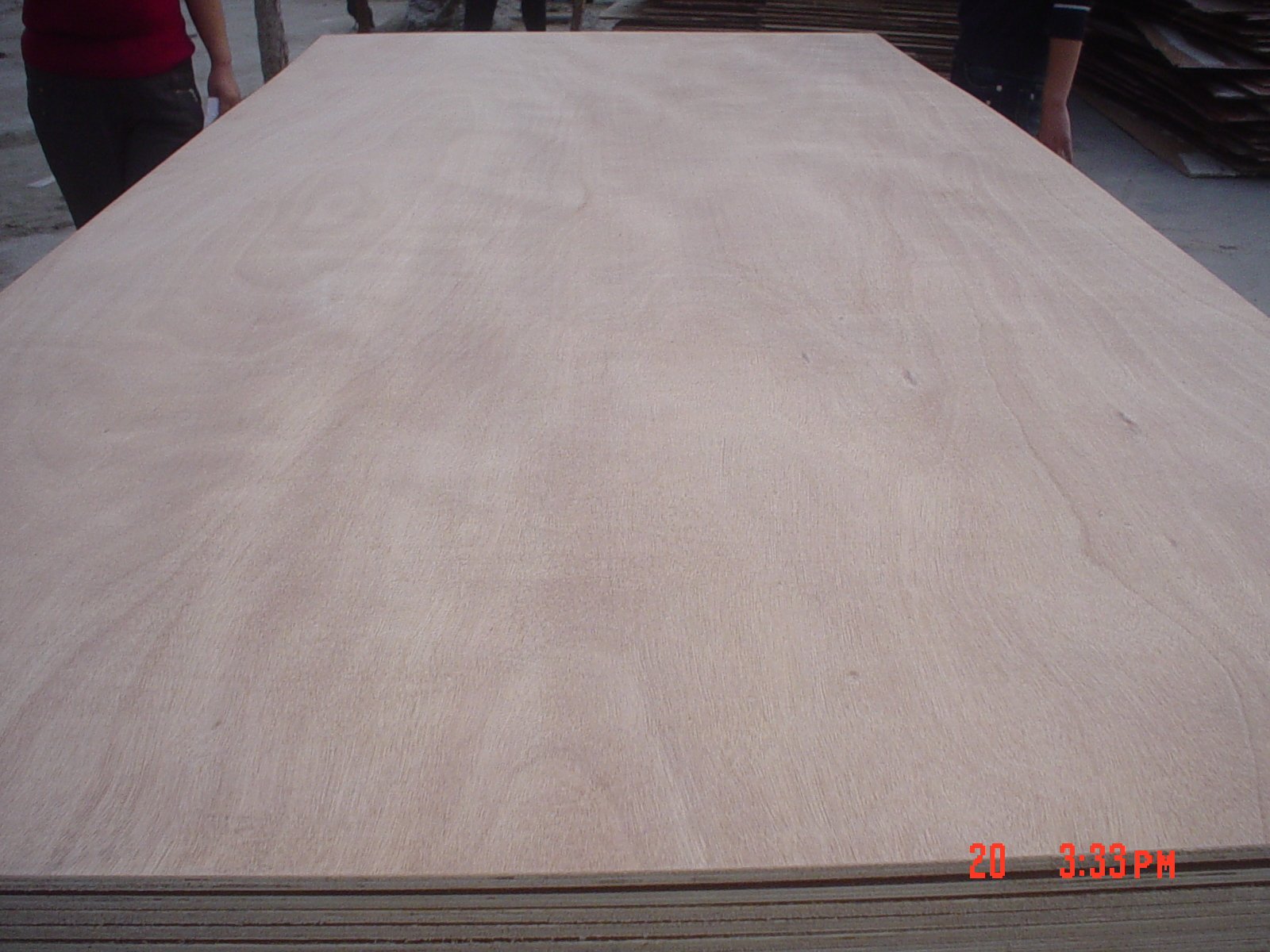
Plywood what side up is the question behind flat floors and tight roofs, and the answer runs on three clues instead of luck. The face grade names the show side, the stamp marks the structural orientation, and the crown tells you which way the sheet bows under its own weight.
Installers who lay before they look fight the sheet all day, while a thirty-second read at the stack saves the whole deck.
Every sheet carries enough information to hang itself, if you read it first.
Sand better veneer to the room and the utility face to the frame. Furniture and visible floors face the good veneer out, while sheathing hides both faces and reads the stamp instead.
Rated panels print the grade, the bond, and any span on the face, and the stamp side usually takes the inspection. Where the drawing asks for a rated face, the stamped side becomes the reference for the rest of the sheet.
Sheets bow gently along their length, and the crown is the side that curves upward in the stack. Lay the crown up on framing so the weight and the fasteners press the sheet flat, and the seams tighten as the deck loads.
Plywood is stiffest along its long axis and runs that way across the framing. Floors lay the sheet length across the joists and roofs across the rafters, and the drawing holds the direction while the clues set the side.
The floor reads its clues the same way, with the stamp doing the talking.
Subfloor installers follow the stamp and the drawing, then lay the crown up and hold the joints fair. A visible plywood floor flips the order, putting the better face up and the utility face toward the joists.
When the plywood stays exposed, the finish side becomes the whole argument.
Exposed panels read the grade first and the structure second. A clean AA or cabinet-grade face carries the clear finish, while the crown still rides the framing line underneath to keep the surface flat.
Framing work reads the panel by its envelope duty, where the crown and the stamp outrank the face.
Roof and wall panels never show their face, so the grade reads last. The crown carries the flatness and the stamp carries the load, and the two together set the sheet in the deck.
Direction and side work as a pair, and getting one wrong beats the other down.
Read the direction once on the first sheet, mark the pattern, and repeat it across the deck. A sheet run the wrong way carries its load on the weak axis, and no amount of fastener spacing rescues that mistake later.
The side question starts at the warehouse, because a panel stored badly turns every sheet into a guess.
A flat, dry stack reads honest clues at the bench. Panels that sit in the sun or lean against a stud lose their flatness before the first screw lands, and the side question becomes a rescue job.
Bad habits repeat on every site, and each one costs the deck its flatness.
Each mistake is a ten-second read in the wrong direction. The deliberate installer checks the three clues on the first sheet, marks the pattern once, and every sheet after that lays the same way.
The same care follows to the seams, because a floor that looks fair on day one stays fair only when the gapping and the fastener pattern both matched the schedule. A disciplined first row becomes the reference the whole deck copies.
The side question ends before the container when the order names the spec clearly.
Hold the sample against the arrival check and lay a test sheet on a flat surface. Suppliers such as HYY state the face grade, bond class, and moisture range on the export contract, so the panels land flat and their sides read clearly on site.
Confirm the flatness at the receiving dock before the bundle reaches the stack, because a bowed sheet makes every side question harder. A delivered panel that lays flat against a straightedge keeps its clues honest for the crew that installs it.
The family covers the roles where the side question runs differently.
Commercial Plywood gives general sheets with dependable faces for making and sheathing, while Film Faced Plywood owns the pour side of the formwork with its resin face out. Inside the building, Melamine Plywood pre-finishes the visible side, MDF Board reads the same on both faces, and Chip Board sits on the budget interior range. Every panel answers a what-side-up question, and the order spec names the answer before the sheet lands.
Face the good veneer to the room, the crown up to the load, and the stamp to the inspector, then back each read with the order spec. That rule turns plywood what side up into a ten-second check instead of a site argument.
Which side of plywood should face up? The better face faces the room on visible work, the stamp faces up on rated subfloors, and the crown faces up on framing, so the duty names the side.
Is the printed stamp always on the best side? Usually, and the stamp names the structural rating for that face, but visible work still reads the veneer quality, so compare the surfaces before you lay.
Do I always lay the crown side up? Yes for floor and roof framing, because the fasteners and the load press the crown flat; visible sheets lay best face up with the crown snug against the framing.
Does the side matter for subfloor plywood? Yes, the stamped face and the span rating carry the floor load, and the crown keeps the joints tight under the fasteners, so both clues belong in the lay.
What if my plywood is bowed on both sides? A badly stored sheet needs flat, covered storage to recover its crown, and the installer lays the visible face up and lets the fasteners pull the panel to the frame.
Do I need to flip the sheet for a garage floor? No, garage decks lay the same as house floors with the stamp and crown up, while the finish grade above it separates the workshop surface from the structure.
Can the side question be solved before the container arrives? Yes, name the face grade, bond, and moisture range on the order, and the delivered sheet carries its answer on the stamp instead of leaving it to the site crew.