Our Location
5th Floor, Huake Center, Lanshan District, Linyi City, Shandong Province, China

5th Floor, Huake Center, Lanshan District, Linyi City, Shandong Province, China
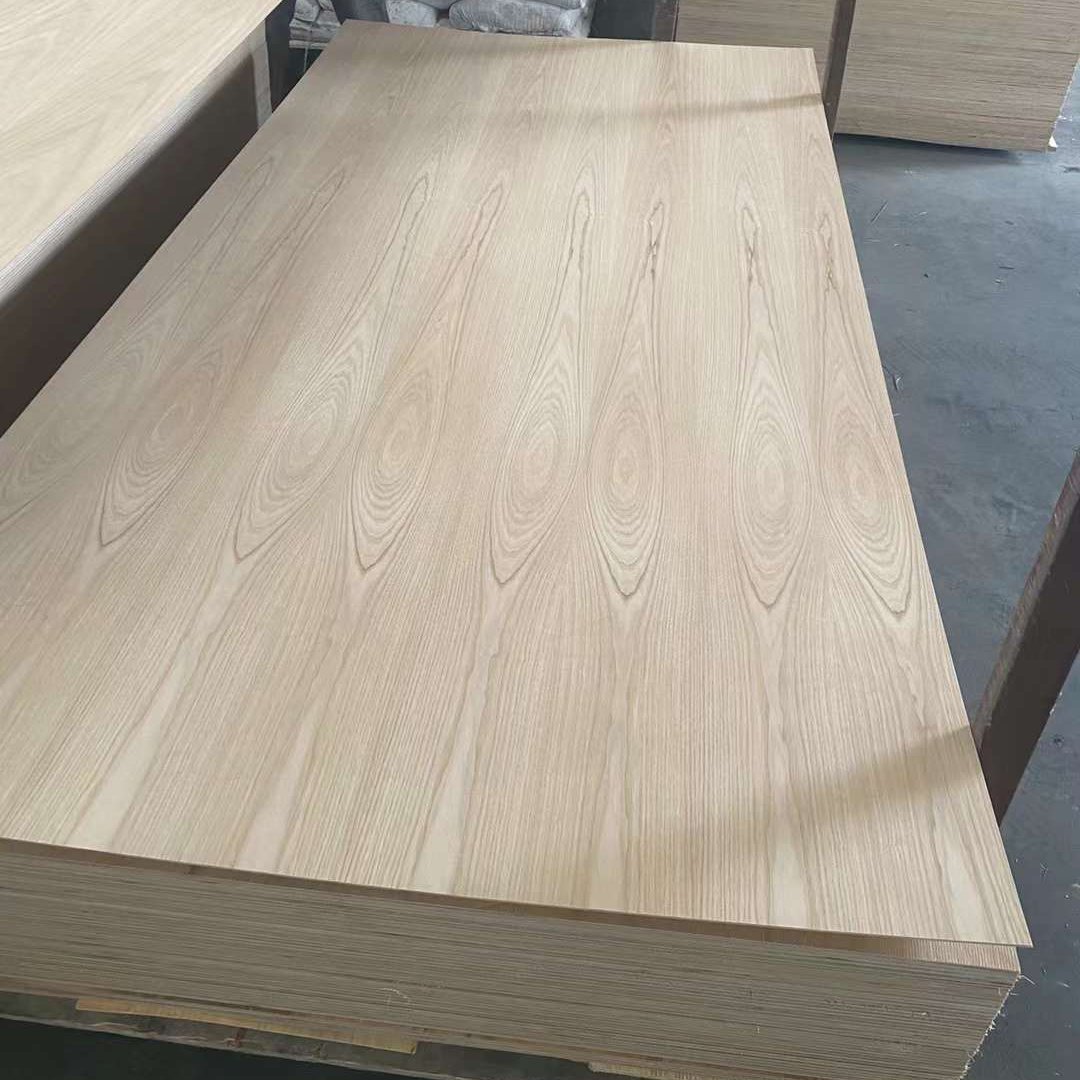
Structural plywood names a family of panels rated to carry loads, not general-purpose sheets that happen to feel strong. Designers and importers use it for floors, roofs, walls, and shear panels, so the grade, bond class, and stamped rating carry as much weight as the timber sizes on the drawing. This guide explains what makes a panel structural, how to read the ratings, and the specifications to confirm before you order a container.
Many buyers confuse thickness with structural capacity. A 12mm panel from one mill spans far less than a 12mm structural grade from another, because ply count, glue, and veneer quality set the real performance. The checklist at the end turns that confusion into a short order spec.
Structural plywood is a cross-laminated panel designed to resist known loads for a stated span. Manufacturers build it from veneers peeled from logs, lay each layer with the grain at right angles to the layer below, and bond the stack with marine or WBP-grade adhesive in a hot press. The alternating grain gives the sheet stiffness in both directions, which is exactly what a floor or roof deck needs.
Cross-lamination spreads a point load across the whole sheet instead of letting one plank carry it alone. A 600-kilogram filing cabinet sitting on a floor panel transmits its weight to several joists because the plies distribute the force in two directions. That distribution explains why a wood floor of the same thickness cannot match a plywood panel on span, and why engineers prefer rated panels for open-plan floors and decks.
Bond class ranks how the glue survives moisture. Structural panels carry fully weatherproof bonds rated for wet service, while interior panels use adhesives that tolerate dry rooms only. Confirm the bond class in writing before you compare prices, because a panel that performs at the mill can fail on site when dew and rain reach the glue line.
Mill stamps carry the useful data: the agency, the bond class, the thickness, and the maximum span or stress grade. In Australia and New Zealand, buyers read grades such as F8, F11, and F14; in North America, sheathing panels carry exposure ratings and span indexes instead. First, learn which rating system your market uses, then match the stamp to the structural engineer’s note.
Structural panels earn their rating against real forces: floor traffic, roof snow and wind, wall racking, and point loads from equipment or partitions. Each application sets a minimum span and thickness that the panel must prove in testing.
Floor load governs the panel thickness you order. A heavy commercial floor with wide joist spacing needs a thicker structural sheet than a light residential deck. State the joist centers and the live load to the supplier, so the quotation reflects the duty your drawing asks for.
Roofs carry snow and wind uplift, while walls carry racking forces during storms. Sheathing ratings express the maximum nailing span and the wind pressure the panel resists. The same nominal thickness can carry different duties, so never substitute a general-purpose sheet where a stamped sheathing rating is required.
Racking panels brace whole buildings against sideways movement. They need rated fastening patterns and a stamped shear value, not just a thick core. Engineers size these panels from the building’s wind and seismic loads, and they expect the supplier to document the rating in the submission.
Every application also demands a minimum ply count. A five-ply floor sheet stays flatter under rolling loads than a three-ply sheet of the same thickness, and a higher ply count reduces telegraphing where veneer joints align. Ask for the ply schedule with the quotation, because two panels with the same stamped span can behave differently over a decade of service.
Non-structural panels share the word plywood but carry no load rating. They suit joinery, furniture, and interiors where a smooth face matters more than span capacity, and mixing the two in one order usually creates a callback.
| Property | Structural plywood | Non-structural panel |
|---|---|---|
| Load rating | Stamped span and stress grade | No stamped load rating |
| Bond class | Weatherproof MR or WBP | Interior adhesive in many cases |
| Core grade | Face and core quality controlled | Face quality prioritized |
| Typical duty | Floors, roofs, walls, formwork | Joinery, furniture, fit-out |
| Price | Higher per sheet | Lower per sheet |
Interior panels have a place. MDF Board delivers a flat, paintable core for cabinets, and Chip Board fills budget shelving and furniture backs. The rule stays simple: use non-structural panels where no load rating is needed, and reserve stamped grades for structural framing work. The price gap between the two families narrows once you factor replacement labor, so the lowest quote is rarely the cheapest installed solution.
Export markets run on common sizes and thicknesses, but the stamped rating decides the duty. Confirm both before the container loads.
Sea freight changes the game for structural stock. Panels that sit in a container for six weeks arrive with a different moisture profile than fresh mill output, and that profile shifts how the sheet cuts, screws, and stays flat in the first month. Request a target moisture content on the packing list, and let the panels condition for a few days in the site environment before installation when the delivery is part of a longer transport chain.
Work through the specification in this order, and the order writes itself.
For decking and general framing, Commercial Plywood covers most structural duties at a practical price. For concrete formwork and exposed wet service, Film Faced Plywood adds the resin surface that survives pours and rain. Suppliers such as HYY issue the grade, bond class, and stamped rating in writing on every export contract, which removes most of the risk before production starts.
Set the tolerance terms before the price negotiation, because a cheap quotation built on wide tolerances still fails inspection. When the drawing tightens the allowable bow or thickness deviation, the mill needs that requirement before it schedules the log intake, not after the first container is rejected.
Ask for the mill test report, the data sheet, and a photo of the stamp before you approve the sample. Request the moisture content range and the thickness tolerance in the packing list, then hold the first order against the same numbers.
Use these checks on arrival, and rely on the answers below for the common sourcing questions.
Is structural plywood the same as exterior plywood? No, exterior plywood survives weather but carries no stress stamp, while structural plywood carries a rated span and bond class that engineers can use in calculations.
Can I cut structural plywood and keep the rating? Cutting along a single line reduces capacity at the cut, so follow the engineer’s nailing pattern and edge support after any field cut.
Which thickness do I need for a house floor? Confirm the joist spacing and the live load first, then match the manufacturer’s span table and the local code instead of guessing by thickness.
Does the bond class change with thickness? No, the bond class comes from the adhesive system, and the span rating comes from the lay-up and structural test, so a thin structural panel can carry a high bond class.
Why do two 18mm panels rate differently? Ply count, veneer quality, and glue line differ between mills, which is why the stamp and the test report matter more than the nominal thickness.
Can I order mixed grades in one container? Yes, mills usually accept mixed grades when sizes stay consistent, but separate the grades in the packing list so the receiving crew can store and inspect them correctly on site.