Our Location
5th Floor, Huake Center, Lanshan District, Linyi City, Shandong Province, China

5th Floor, Huake Center, Lanshan District, Linyi City, Shandong Province, China
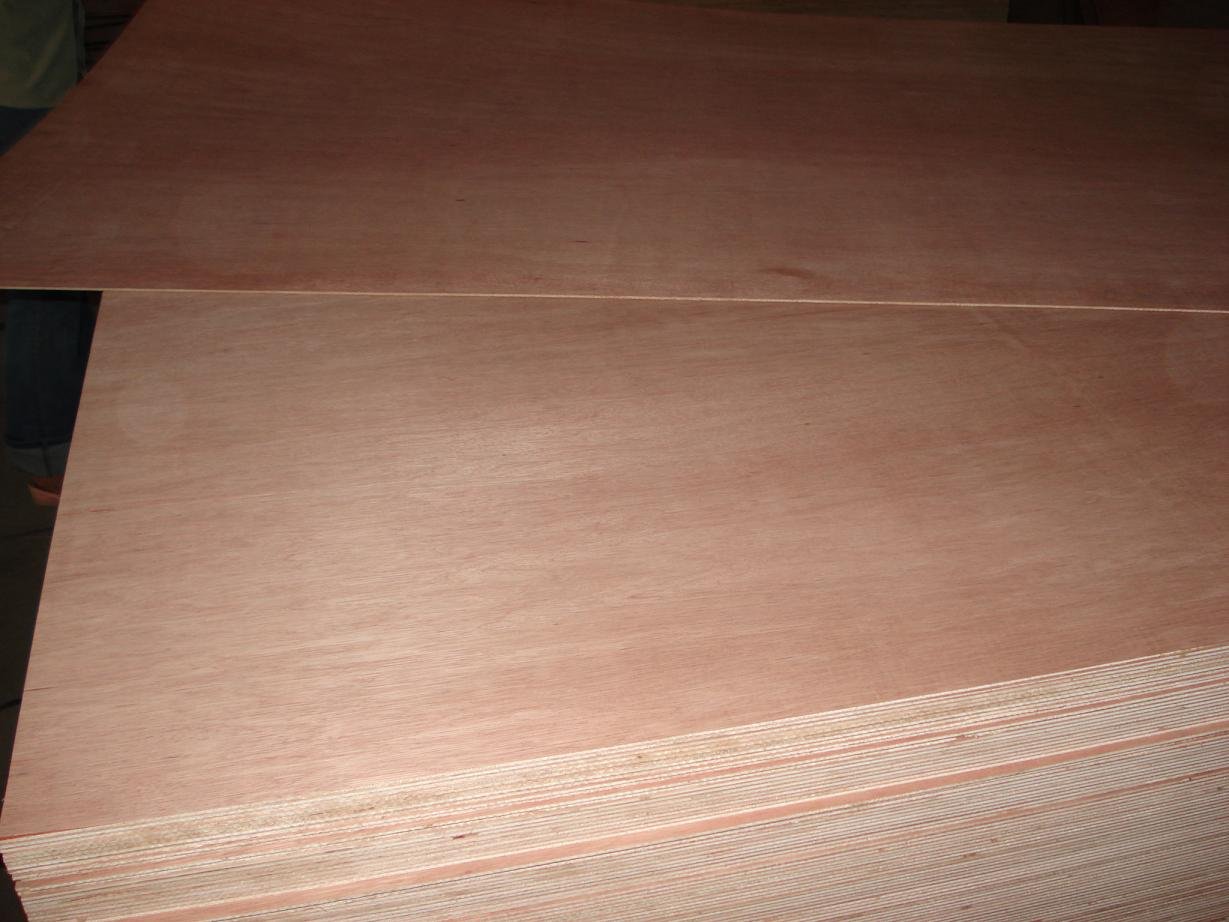
A plywood ramp puts the panel’s stiffness and smooth face to work on a slope, whether the job is moving equipment into a shed, bridging a step, or building a skate ramp in the yard. The panel carries the surface, the frame carries the load, and the grade and thickness decide whether the ramp works or flexes underfoot.
Builders and DIY makers choose the ramp by the load it carries, the slope it needs, and the surface condition it faces, and the right panel and frame keep the ramp strong, grippy, and durable through weather and use.
A ramp works when three things line up: the panel is thick enough to span the framing without flexing, the frame transfers the load to the ground, and the surface gives the traction the user needs. Miss any one and the ramp sags, shifts, or turns slick.
The slope angle sets the effort and the risk. A gentle slope for a wheelchair or a cart is easy to climb but takes length, while a steep loading ramp is short but demands more power and better grip.
The panel face and its finish decide the traction. A bare or smooth panel with a slick coating can be dangerous in the rain, so the surface treatment is part of the design, not an afterthought.
Load, slope, and surface interact. A heavier load needs a thicker panel, a stronger frame, and a gentler slope, while a light load tolerates a steeper, shorter ramp. The builder sets the load first, then the slope, then the surface, and the frame follows from those three.
Weather changes the surface every season. A ramp that grips in summer can turn slick after rain or frost, so the traction plan should survive the wet and the cold the ramp will actually meet.
Plywood ramps fall into a few practical types, each with its own framing and surface. The type follows the use, and the use sets the load and the slope the design must handle.
| Ramp type | Typical load | Panel note |
|---|---|---|
| Loading ramp | Equipment, carts | Thick, framed, reinforced |
| Access ramp | Wheelchair, foot traffic | Grip surface, gentle slope |
| Skate ramp | Dynamic rider load | Smooth face, radius framing |
The loading ramp takes the heaviest load and wants a thick panel over closely spaced joists, plus a traction strip where the wheels spin. The access ramp favors a gentle slope and a non-slip surface, because it carries people who cannot catch a slip.
The skate ramp needs a smooth, fair face and a curved framing that gives the transition its shape. The panel bends over a radius, and the framing carries the dynamic load the rider adds on landing.
The ramp panel must resist flexing under the load and the weather. A structural or exterior-bonded panel carries the load and resists the moisture, while a thin interior panel flexes and delaminates after a season outdoors.
Thickness follows the span between the frame members. A short span between closely spaced joists allows a thinner panel, while a longer span needs a thicker sheet to stay flat under the load. The span-to-thickness rule governs the choice.
The face grade follows the use. A skate ramp wants a smooth, consistent face for the ride, while a loading ramp tolerates a utility face under a traction overlay. The edge treatment seals the layers against the weather on every ramp type.
Any outdoor ramp needs an exterior or WBP bond, because the glue line must survive the wet. An interior-bonded panel that gets soaked loses its layers, and the ramp fails at the edge first where water wicks in.
Sealing the faces and edges with an exterior coating adds years to the ramp. The coating blocks the moisture that works into the veneer, and the frame gets a coat as well so the wood under the panel stays sound.
The frame carries the ramp load, so it is built first and built strong. Joists run across the ramp width at the spacing the panel thickness allows, and longitudinal stringers carry the joists down to the ground at each end.
The panel fixes to the frame with screws and construction adhesive, which stops the sheet from moving and squeaking under load. The fixed panel and the stiff frame work together, and a loose panel on a sound frame still feels weak underfoot.
The transition at the bottom matters as much as the slope. A smooth lead-in stops the load from catching on the ramp edge, and a ramped or chamfered end lets wheels and riders roll on without a jolt.
Space the screws at the frame spacing and pre-drill near the panel ends, where the layered edge splits. Seal every exposed edge with an exterior coating, and cap the leading edge with a batten or a metal strip that takes the wear of every load crossing it.
The fixed panel stays flat only if the frame stays flat. Checking the frame for level and twist before the panel goes on saves the ramp from a rocking, uneven surface that no amount of screwing will fix.
Traction is the difference between a safe ramp and a hazard. Grit strips, a textured overlay, or a ribbed surface give the grip the slope and the weather demand, applied where the wheels and feet actually work.
The edges need a curb or a raised lip to stop a load or a wheel from sliding off the side, and the ramp ends need a firm, level landing so the load meets solid ground. Handrails help an access ramp where the slope or the drop is significant.
Inspection keeps a ramp safe over time. Checking the panel for soft spots, the screws for tightness, and the surface for wear catches the small faults before they become failures, especially after a wet season.
Grit tape is quick and cheap but wears, grip paint covers a whole surface evenly but needs recoating, and a ribbed or textured panel gives permanent grip without added parts. Matching the option to the load and the weather keeps the ramp reliable through the year.
For a skate ramp the surface works the other way, wanting a smooth, sealed face with traction only at the approach and the deck. The rider needs a fast, fair transition, so the grip plan must not slow the ride.
The ramp draws panels by the load and the weather. Film Faced Plywood gives a tough, moisture-resistant face for a durable ramp surface, while Commercial Plywood frames the stringers and joists with a core that holds screws. Melamine Plywood and MDF Board share the smoother faces that suit an indoor or covered ramp, while Chip Board covers budget framing tiers.
Suppliers such as HYY list the bond class and the thickness on the contract, so the builder can order a panel that survives the slope and the weather the ramp will face.
A ramp lasts when it gets a little care. Re-coat the surface and the edges before the old finish fails, re-tighten the screws after the first season, and replace any soft or delaminated panel promptly rather than waiting for a failure under load.
After a wet or cold season, walk the ramp and check for soft spots, lifted edges, and worn traction. Spot-repair the grit and the coating, and replace any section that has swollen or come loose, so the ramp returns to full strength.
Keeping the ramp clear of standing water and debris at the ends protects the panel and the frame. A dry, sound ramp lasts many seasons, and the small seasonal checks are what keep it safe.
What plywood is best for a ramp? An exterior-bonded panel at a thickness that matches the frame spacing carries an outdoor ramp. Seal the faces and edges, and choose the face for the use.
How thick should plywood be for a ramp? The thickness follows the span between the frame members: closer joists allow a thinner panel, and a longer span needs a thicker sheet to avoid flexing under the load.
Can you build a ramp out of plywood? Yes. Frame the slope with joists and stringers, fix an exterior panel over the frame, seal the edges, and add the traction the slope and weather demand.
How do you stop a plywood ramp from being slippery? Add grit tape, grip paint, or a textured overlay where the load and feet work. Match the traction to the weather the ramp will face.
Does a plywood ramp need a frame? Yes. The frame carries the load and keeps the panel flat. A panel alone flexes and fails, so the ramp is always a panel over a sound frame.