Our Location
5th Floor, Huake Center, Lanshan District, Linyi City, Shandong Province, China

5th Floor, Huake Center, Lanshan District, Linyi City, Shandong Province, China
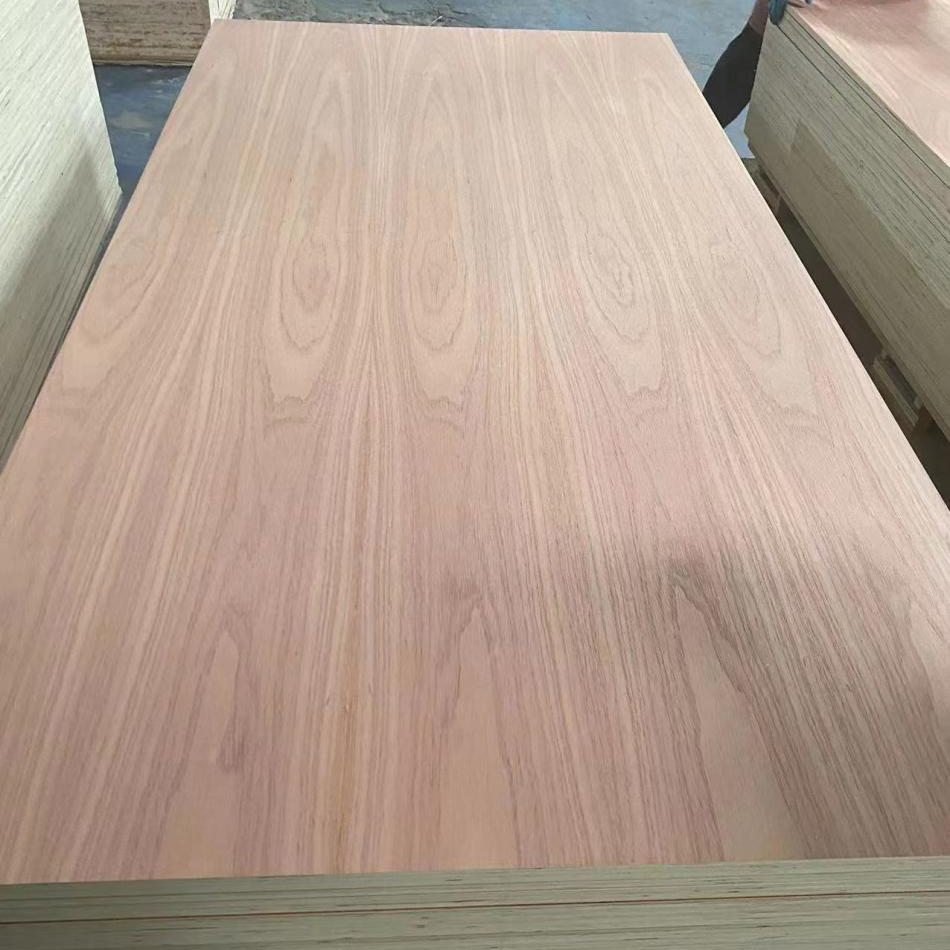
A plywood rack gives sheet goods and offcuts a home that keeps them flat, visible, and off the floor, which protects the panels and frees the workspace. The rack is a small build with a real engineering question behind it, because stored plywood is heavy and a rack that fails under load drops a stack of sheets.
Shops, garages, and workshops choose the rack style by the available wall, the volume of stock, and the load the frame must carry, and the right design keeps every sheet flat and every edge reachable.
The rack stores full sheets, half sheets, and offcuts in a way that keeps them flat, dry, and organized. Flat storage protects the panels from the warp that comes from leaning a sheet against a wall, and horizontal storage keeps the faces and edges easy to reach.
A good rack also separates the stock by size and grade, so the maker grabs the right panel without disturbing the rest. Labels or dividers turn a pile of sheets into an organized library of material.
Above all, the rack manages weight. A single 18 mm sheet weighs in the tens of kilograms, and a full bay of sheets adds up fast, so the frame, the fixings, and the anchor points carry the load the design predicts.
Plywood left standing on edge bows under its own weight, and the bow sets over time. A rack that holds the sheets flat, supported along their length, keeps the panels straight and the faces true, which saves the maker from cutting around a curve.
The rack also keeps the sheets off a damp floor, where the bottom panel takes moisture and the whole stack picks up the swelling that starts at the edge.
Three rack styles cover most shops. A wall-mounted rack uses brackets and arms fixed to the studs, saving floor space. A freestanding rack stands on its own frame with adjustable shelves. A cantilever rack projects arms from a central spine for a dense, easy-reach layout.
| Rack type | Best for | Main load path |
|---|---|---|
| Wall-mounted | Small shops, tight floors | Studs and brackets |
| Freestanding | Large stock, movable layout | Frame to the floor |
| Cantilever | Sheet goods on edge | Spine and arm joints |
The wall rack frees the floor but depends on the wall carrying the load, so the brackets must reach the studs and the wall must be sound. The freestanding rack puts the load on its own feet and suits a rented shop where the walls should stay untouched.
The cantilever rack stores sheets near-vertical in narrow bays, which makes thick stacks easy to flip through. It projects far from the wall, so it wants floor space in front and a stable base to stop it tipping.
Rack design follows the load chain from the sheet to the floor. Each shelf or arm carries the weight of its stock, the frame carries the sum, and the fixings and anchors carry the frame. Every link needs a rating above the load it sees, with margin for the impact of loading and unloading.
Arm spacing sets the sag. Sheets supported on short centers stay flat, while a wide gap between arms lets a heavy stack bow the arm and the panel. The designer matches the spacing to the panel thickness and the expected stack weight.
The joints decide the strength and the safety margin of the whole rack. A glued and screwed plywood gusset, a steel bracket, or a bolted connection each transfers the load differently, and the maker picks the joint that matches the rack style and the tools on hand.
A tall rack tips if the load leans past its footprint, so the freestanding version anchors to the wall or the floor and the wall version reaches solid studs. Cantilever racks often carry a wider base or a counterweight to resist the forward pull of a heavy stack.
Anchoring is not optional on a rack that holds sheets at head height. The tether or the anchor keeps the whole rack upright even when the load shifts, and it costs far less than the damage a falling rack of heavy sheets would cause.
Layout starts with the traffic. The rack wants clear floor in front for pulling sheets, and the bays want to follow the panel sizes the shop uses most, so the common sheet slides out without moving the stock behind it.
Height matters as much as width. A rack that stacks bays to the ceiling stores more but needs safe access, so the heaviest sheets go low and the light offcuts go high, keeping the lifting within comfortable reach.
A cutting station or a workbench near the rack saves steps, letting the maker pull a sheet, cut it, and return the offcut in one movement. Planning that flow turns the rack from storage into part of the workflow.
Bays sized around the standard sheet fit full panels cleanly, while a second bank of narrower bays holds the offcuts. Measuring the actual stock before building the rack keeps the dimensions honest and avoids a bay too small for the panels the shop already owns.
Leave a little clearance for fingers and for the panel edge, so removing a sheet from a full bay stays easy and safe. A rack that stores the maximum but fights the maker on every pull is a rack that ends up empty and unused.
The rack itself builds from the same panel range it stores. Commercial Plywood frames the uprights and shelves with a dense core that holds screws, while Chip Board covers the budget tier for light shelves and dividers. MDF Board gives a smooth face for painted rack frames, and Film Faced Plywood suits a tough, moisture-resistant rack in a damp shop. Melamine Plywood finishes a workshop rack that wants a wipe-clean face.
Suppliers such as HYY list the core construction and the thickness on the contract, so the maker can order a frame panel that carries the rack’s load without overbuilding.
Cut the frame parts to the plan, dry-fit the joins, and check the rack for square and level before the glue and screws lock it. A rack that starts square stays square under load, and the shelves sit flat across every bay.
A shop rack takes knocks, so a durable paint or varnish protects the frame and makes the surface easy to clean. Seal the edges of the plywood parts so the damp air of a workshop does not lift the layers, and clear-coat the shelf faces where sheets slide on and off.
Load the rack in ascending order once it is finished and anchored, with the heaviest stock nearest the floor. Testing the empty rack for stability, then the loaded rack for sag, confirms the build before it ever carries the full stock of heavy sheets.
Store-bought shelving handles light boxes but rarely the weight and the length of sheet goods. A purpose-built plywood rack spans the full sheet width, carries the stack the shop actually owns, and fits the wall or floor the shop actually has.
Where the volume stays small, a hybrid works: a strong plywood base bay for full sheets and a set of commercial shelves for small parts. That combination keeps the heavy stock on a frame built for it and the light stock on cheap, flexible, reconfigurable shelving.
How do you build a plywood rack? Build a frame sized to the sheets, join the parts with glue and screws, anchor the rack to the wall or floor, and add shelves or arms spaced for the load. Keep the heaviest stock low.
How much weight can a plywood rack hold? It depends on the panel thickness, the joint, the arm spacing, and the anchor. A well-built rack with proper brackets carries a full bay of sheets, so design each link with margin.
What is the best way to store plywood sheets? Store them flat on a rack, supported along their length, off the floor and out of damp. Flat storage keeps the sheets straight and the faces true.
Can you store plywood vertically? Yes, in a cantilever or sheet rack with the panels near-vertical and well supported. Vertical storage saves floor space but needs a stable, anchored frame.
What plywood is best for a storage rack? A dense commercial panel holds screws and carries the frame load, while budget chip board suits light shelves. Match the panel to the load of each part.