Our Location
5th Floor, Huake Center, Lanshan District, Linyi City, Shandong Province, China

5th Floor, Huake Center, Lanshan District, Linyi City, Shandong Province, China
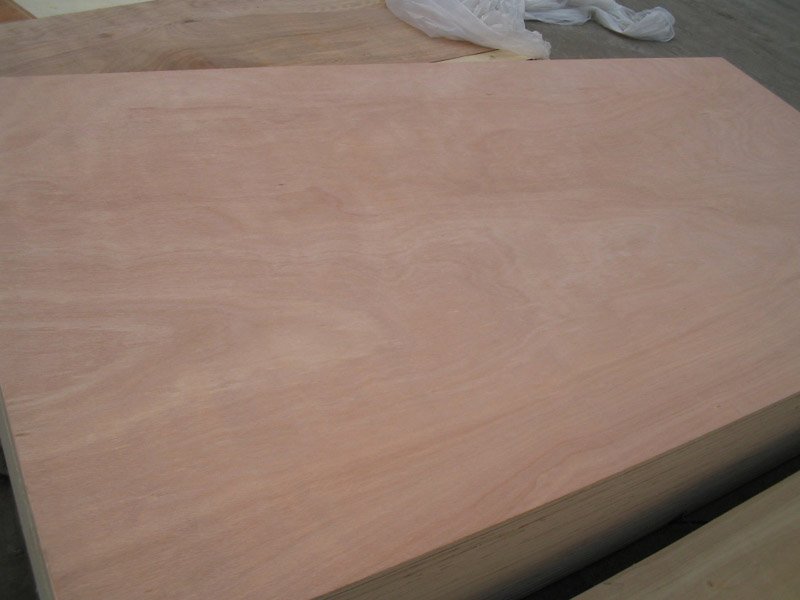
Plywood planks describe plywood cut or manufactured in narrow, board-like formats rather than the standard 1220 by 2440 sheet. The plank keeps the layered plywood construction while giving the maker a manageable strip for flooring, cladding, shelving, and trim, where a full sheet is awkward to fit, carry, or join.
Buyers choose planks when the job needs a long, narrow piece that still carries the strength and stability of plywood, and the right plank format follows the span, the fixing method, and the look the surface should present.
A plywood plank is a veneer-based panel cut to a limited width and often a longer length. Some planks arrive from the mill as narrow panels, while others are rips from a full sheet, and both share the cross-laminated core that gives plywood its stability.
The plank format fits where a sheet does not. A strip of flooring, a fence board, a cladding batten, and a shelf edge all take a narrow panel that carries load along its length and fixes with a small number of fasteners.
Because the plank keeps the cross-lamination, it resists the warping that a solid board of the same size would show. That dimensional stability is the main reason a maker picks a plywood plank over a solid timber strip.
Plywood planks overlap in name with board and batten cladding and with solid timber boards, but the construction differs. A plywood plank is layered veneer, a batten is usually solid timber, and the two behave differently under moisture and load.
Choosing plywood for a plank job brings the stability and the large-format supply of the sheet, while choosing solid timber brings the solid edge and the traditional look. The spec names the construction so the right product arrives.
The sheet sets the raw material, and the plank sets the delivered form. A full sheet gives the largest surface and the best value per square meter, while a plank gives the convenient strip for a narrow job.
| Format | Typical size | Best for |
|---|---|---|
| Full sheet | 1220 x 2440 mm | Large surfaces, cabinets, subfloors |
| Half sheet | 1220 x 1220 mm | Shelf units, small builds |
| Plank / strip | 100 to 300 mm wide | Flooring, cladding, trim, edging |
Ripping planks from a sheet suits a shop with a panel saw and a specific width in mind, while buying mill-cut planks suits a buyer who wants consistent widths and finished edges without the cutting.
The thickness of the plank follows the duty. A thin 6 to 9 mm plank bends and clads, a 12 mm plank carries light shelving, and an 18 mm plank takes the structural and flooring roles that need stiffness along the strip.
Long planks cover a floor or a wall run with fewer joints, while short strips suit trim and edging where the pieces fit between fixed points. The join between planks, whether a butt, a tongue and groove, or an overlap, sets the look and the moisture tolerance of the finished surface.
Planning the joint layout before cutting keeps the pattern even. A staggered butt joint in a floor, a shiplap overlap in cladding, and a tight edge in trim each follow a layout rule the maker fixes on paper first.
Planks serve flooring, wall cladding, shelving, fencing, and edge trim, and each use pulls a different grade and thickness from the range. The job sets the plank, and the plank sets the fixing and the finish.
In flooring, planks form a subfloor or a decorative overlay, laid over joists or over a structural sheet. In cladding, planks run vertically or horizontally on a battened wall, with an overlap or a shiplap profile that sheds water.
In shelving and trim, planks give a narrow, stable piece for a shelf edge, a stair stringer cover, or a reveal between materials. In fencing, a treated or exterior-bonded plank resists weather better than a solid board of the same size.
A plywood plank floor lays faster than a solid board floor when the planks come in long lengths, and the cross-lamination keeps the surface flat across the run. Cladding benefits from the stability that stops the boards cupping and pulling off the fixings.
Trim and edging use the plank for its clean face and its willingness to stay straight. A narrow plywood strip bands a shelf or caps a panel edge and holds its line where a solid strip might twist.
A plank shows its layered edge on every side, so the edge treatment matters more than on a wide sheet. Banding, a solid nosing, or a sealed and painted edge each close the layers and protect the plank from the moisture that starts delamination.
The face finish follows the use. Flooring wants a hard-wearing varnish or a factory coating, cladding wants an exterior paint or stain that flexes with the panel, and interior trim takes paint, stain, or a clear coat matched to the surrounding woodwork.
Sand the faces and the edges before finishing, and seal the cut ends where the plank meets a wall or the ground. The sealed end resists the wicking that draws water up the layered edge and shortens the plank’s life.
Exterior planks need a coating that moves with the wood and blocks moisture at the same time. An exterior-grade paint or stain built for dimensional lumber works on plywood planks, applied to all faces and edges, with the end grain sealed first.
Refinishing on schedule beats repairing later. A plank that gets a fresh coat before the old one fails keeps its face and its edge sound, and the whole cladding or floor run lasts longer than one left to weather.
The plank draws from the panel range by duty. Commercial Plywood rips into stable planks for interior trim and shelving, while Film Faced Plywood serves exterior and formwork planks where a tough face matters. Melamine Plywood gives pre-finished planks for quick shelving, MDF Board machines plank profiles for painted trim, and Chip Board covers budget plank tiers under laminate.
Suppliers such as HYY list the format, the thickness, and the bond class on the contract, so the buyer can order planks that match the span and the exposure the job demands.
Planks warp fastest when they sit unsupported, so store them flat, on bearers, and off damp ground. Keep the stack covered and let the planks acclimate to the site before fixing, so the strips lay flat and stay flat after installation.
A fine-tooth blade keeps the plank edges clean, and a straight edge or a track saw keeps the rips consistent when the planks are cut on site. Fixings follow the substrate: screws into joists, nails or screws into battens, and construction adhesive under a flooring plank to stop movement and squeaks.
Pre-drill near the plank ends, where the layered edge splits most easily, and keep the fasteners a safe distance from the end to avoid a cracked strip. A little care at the fixing stage keeps every plank tight and the surface even.
A full sheet delivers the lowest cost per square meter, but a job that only needs narrow strips wastes most of that sheet unless the leftovers find another use. Mill-cut planks cost more per unit but remove the ripping, the waste, and the storage of a half-used sheet.
Shops that run many plank jobs buy sheets and rip their own, keeping the offcuts for shelves and blocks. Buyers who need a single order of consistent strips find the mill-cut plank cheaper once the cutting time and the waste are counted, so the break-even sits with the volume and the equipment at hand.
What are plywood planks used for? Planks serve flooring, wall cladding, shelving, fencing, and trim, wherever a long, narrow, stable strip suits the job better than a full sheet.
Are plywood planks stronger than solid boards? At the same thickness, plywood planks resist warping and cupping better than solid boards because of the cross-laminated core, though solid timber holds the edge better for traditional joinery.
Can you use plywood planks for flooring? Yes. Exterior-bonded planks lay as a subfloor or a decorative overlay, fixed over joists or a structural sheet, with the joints laid in a staggered pattern.
How thick should plywood planks be? Thickness follows the duty: 6 to 9 mm for cladding, 12 mm for light shelving, and 18 mm for flooring and structural strips.
How do you seal the edges of plywood planks? Band, cap, or paint the exposed layers, and seal the cut ends before fixing. A sealed edge resists the moisture that starts delamination.