Our Location
5th Floor, Huake Center, Lanshan District, Linyi City, Shandong Province, China

5th Floor, Huake Center, Lanshan District, Linyi City, Shandong Province, China
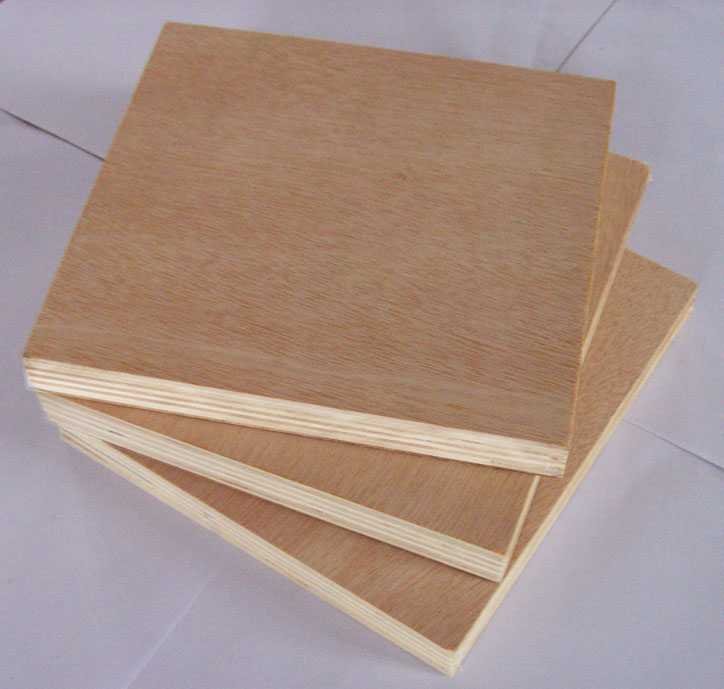
Film faced plywood specifications live in the data sheet, not the sales name, and the serious formwork buyer reads four lines before anything else: the bond, the core, the film, and the thickness tolerance. Each line decides how a pour panel behaves, how many uses it earns, and whether the delivered sheets match the formwork schedule.
Concrete either sets against the film or fights the panel, so the spec that reads well on paper has to answer the pour in practice.
Every film faced panel is a sentence of four clauses, and the clauses change the formwork bill.
The exterior phenol glue binds the plies through the wet pour cycle. A true exterior bond holds the lay-up when the concrete pressure works the panel, while a weaker glue line shortens the usable life and swells the edges.
Core species and lay-up decide stiffness, weight, and screw pull. Poplar cores cut light and price low, eucalyptus and hardwood cores stiffen the beam, and the formwork load class follows the core rather than the colour of the face.
The phenolic film face sheds the concrete and returns the panel to the stack. Film thickness and resin load set the smoothness of the cast face and the number of pours before the surface wears, so the film line carries the reuse promise.
Real thickness and the tolerance band control how the sheets sit at the joint line. Panels that wobble across the tolerance leave lipping between adjacent sheets, so the spec names the allowed spread and the mill holds it.
Moisture content moves the panel after it lands, and a high-moisture sheet warps and swells once the formwork cures. The spec holds a tight moisture band at dispatch so the sheet stays flat through the container and the first pour.
The data sheet turns the four lines into numbers the site can check.
| Line | What it names | Why it matters |
|---|---|---|
| Bond | Exterior phenol formaldehyde | Wet-cycle survival |
| Core | Species and ply count | Stiffness and weight |
| Film | Weight per face, resin | Reuse and surface finish |
| Tolerance | Nominal and band | Joint flatness |
Add the moisture range and the panel size, and the sheet becomes orderable. A panel quoted with all five lines steers the formwork schedule, while a quote missing any of them leaves the reuse count to chance.
Cross-check the sheet columns against the delivered panel at the dock, because the data sheet is only useful when it matches the bundle. Read the moisture, measure the thickness, and compare the film weight stamp, and the approved spec keeps answering the formwork right through the schedule.
Film faced panels trade in the standard sheet sizes, and thickness follows the pour pressure.
Match the thickness to the maximum pour height and the concrete pressure head. The form designer picks the panel that deflects the least under the numbers behind the pour, so the thickness line follows the pressure table.
The sheet format also follows the layout, because a form that modules on the standard panel trims faster and reuses the offcuts. Confirm the sheet count against the form drawing instead of a floor estimate, and the order bill matches the wall schedule.
The factory spec only holds if the site protects the panel, and a few routines extend every use.
Release agents follow the film maker’s recommendation, because the wrong oil attacks the resin face. A panel that is cleaned, edged, and stacked earns its rated reuse count, while a neglected face loses the smooth cast surface the buyer paid for.
A few minutes of checking at the formwork bench protects the pour and the schedule.
Any failed reading goes back to the supplier before the concrete, because a panel that fails on arrival fails the same way mid-pour. The field check turns the data sheet into a pre-pour gate instead of a post-failure report.
The film connects the reuse count to the finish of the concrete, and the two belong to the same line.
Formwork buyers balance the film weight against the reuse target and the specified cast finish. A premium film across many pours often beats a cheap film replaced twice, so the film line earns its place in the value math of the formwork bill.
Ordering runs on the same five lines, written down before the container loads.
Hold the sample against the arrival check and measure the thickness on random sheets. Suppliers such as HYY write the bond class, core, film, and moisture range on the export contract, so the formwork panel that lands matches the spec that was approved.
Keep the same numbers for the repeat order, because the formwork crew builds its reuse plan around the recorded spec. A documented first order turns into faster confirmed runs and a panel that answers the pour the way the drawing expects.
The formwork panel answers the wet side of the building, and the rest of the range fills the other duties.
Film Faced Plywood anchors the concrete and wet-pour roles, while Commercial Plywood covers general construction panels around the frame. On the interior lines, Melamine Plywood pre-finishes fitting-out, MDF Board machines flat for joinery, and Chip Board holds the budget range. Each panel earns its place on the drawing, and the film faced spec owns the pours.
Match the bond and core to the pour pressure, fix the film weight to the reuse target, and hold the thickness tolerance at the joint line. Those four lines turn film faced plywood specifications into a formwork bill you can sign.
What is the standard thickness of film faced plywood? Twelve to twenty-one millimeter panels cover the formwork range, with the thickness following the concrete pressure head and the form design across the site.
How many uses can film faced plywood survive? The reuse count depends on the film weight, the core, and the site care, with light duties reaching many lifts and heavy pours wearing the face faster.
Why does the core species change the specification? Poplar cores cut weight and cost, while eucalyptus and hardwood cores add stiffness and screw pull, so the core line follows the formwork load class in the design.
Do I need to seal the edges of film faced plywood? Yes, cut edges drink moisture during the pour, so edge sealing or tape keeps the lay-up and the reuse count intact where the blade passed through.
What difference does film weight make? Heavier film coats resist wear and release the concrete cleanly across more pours, so the film weight line sets the reuse promise and the cast finish together.
What is the difference between brown, black, and yellow film? The colours mostly mark the resin and brand lines, and the real specifications travel on the data sheet, so compare the bond, core, and film weight rather than the face colour.
Is film faced plywood waterproof enough for formwork? Yes, the phenol bond and film face handle the wet pour cycle, but the panel still needs sealed edges and surface care between lifts to hold its rated reuse count.
How should film faced plywood be stored? Stack the panels flat on clean bearers, off the ground and under cover, with the film faces protected, and the sheet stays flat and dry for the next lift.