Our Location
5th Floor, Huake Center, Lanshan District, Linyi City, Shandong Province, China

5th Floor, Huake Center, Lanshan District, Linyi City, Shandong Province, China
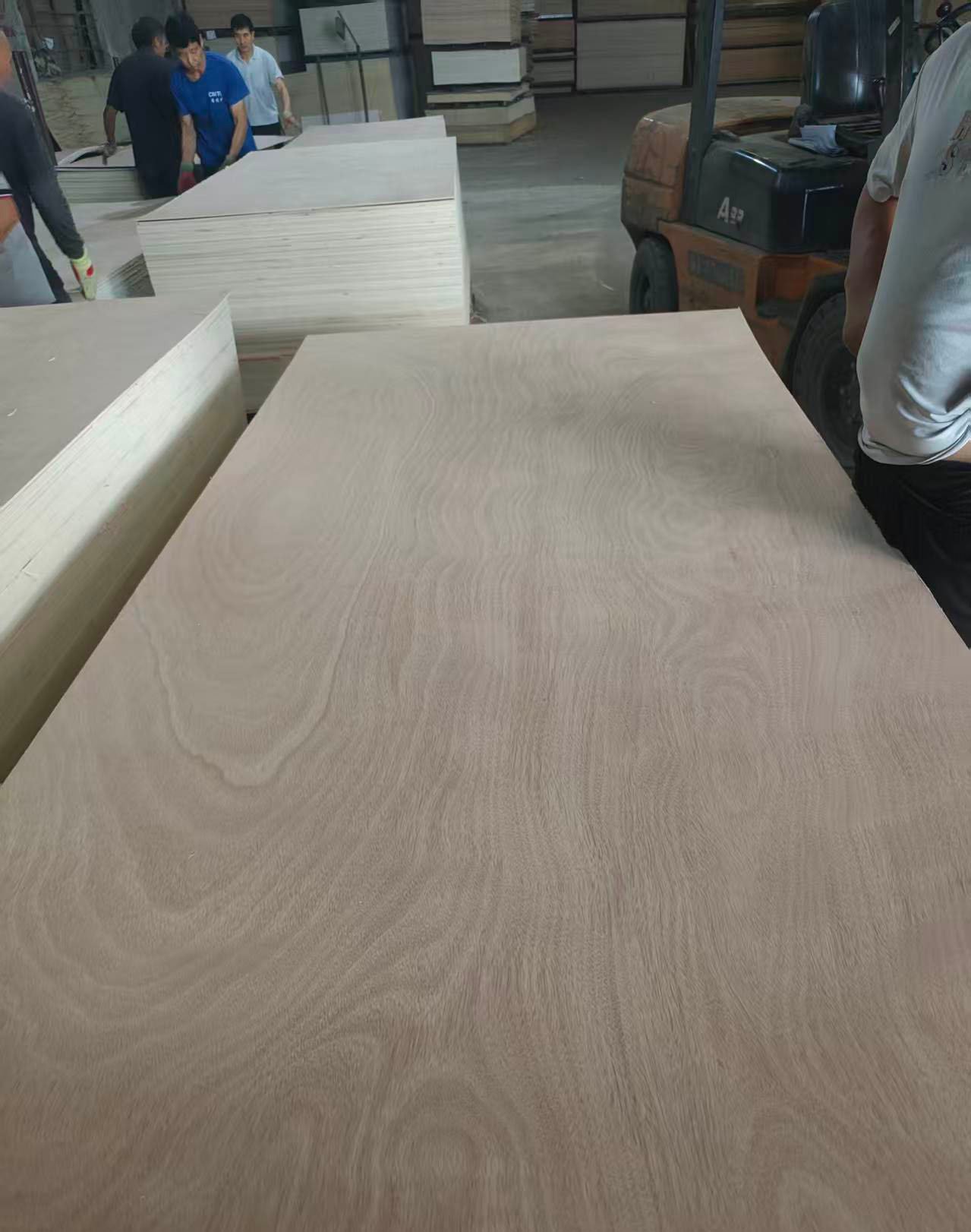
Builders grade plywood is the budget workhorse of the panel trade, bought in volume for jobs where a clean sanded face would simply waste money. This guide explains what the grade actually covers, which projects it serves well, and the limits that push buyers toward a rated structural panel. Use it to size an order that saves money without inviting a callback.
Every builder supplies the same question when quotes arrive: why pay for a premium face behind a crate wall or a formwork face under a slab? Builders grade exists to answer exactly that question.
Builders grade describes a construction-quality sheet with a face good enough for general use but without the sanded cosmetic standards of joinery grades. It carries open knots, patches, and repairs in the face, and buyers rely on the bond class, not the appearance, to pick the right sheet for the site.
Face quality ranges from utility faces with open defects to sheathing faces with minor repairs, and the grade mix decides the price break. Structural capacity rarely changes with the face, so builders grade delivers strength at a better price wherever the sheet stays hidden.
Buyers often mistake low face for low strength, yet the two move independently. A utility face can sit on a perfectly sound core, while a sanded face can hide patch work underneath, which is why the grade name tells you about appearance and the stamp tells you about the bond and the lay-up.
The same budget sheet can carry an interior, moisture-resistant, or exterior bond depending on the mill’s product line. Confirm the bond class on the stamp before ordering, because using an interior-bonded builders sheet where rain reaches the panel starts the rot clock on day one.
Cost-sensitive framing and industrial jobs drive most builders grade demand, and the list of good fits is long.
Buyers stretch their budget further when the visible surface lives inside the assembly. Consequently, a crating program that switches from premium to builders grade frees spend for film faced or structural sheets where the duty actually demands them.
Crate builders consume builders grade in steady containers because the face quality carries no penalty behind a packing wall. Machines, spare parts, and line production all move on panels that absorb handling damage without complaint, and the grade’s low price per square meter keeps the crating contract competitive.
Confusion usually appears at the comparison step, because CDX sounds close to builders grade yet carries a specific meaning in the trade.
| Grade | Face standard | Bond class | Typical duty |
|---|---|---|---|
| Builders grade | Construction quality with repairs | Interior to exterior options | Crating, hoarding, backing |
| CDX | C face one side, D reverse | Exterior glue | Sheathing and wet construction |
| Structural grade | Rated stamp and controlled core | Weatherproof bond | Rated floors, roofs, and walls |
| Commercial plywood | Clean full veneers | MR to weatherproof | General sheathing and structure |
CDX means a specific construction grade with exterior glue, while builders grade is a looser commercial description that may carry any bond class. When an engineer’s note expects exterior heft, specify CDX or an exterior-bonded sheet by name, and treat the words builders grade as a starting point rather than a spec.
Softer market names complicate the picture further. Some regions call the same product construction plywood, sheathing grade, or utility panels, and each name can hide a different bond class and face standard. Translate every local name back to the two numbers that matter, namely the face grade and the glue class, before you sign.
Builders grade panels carry structure on many jobs, but their capacity depends on ply count, veneer quality, and core, not on the grade name. A sales figure about thickness means little until the lay-up matches the load.
Commercial Plywood upgrades the general-purpose duty with cleaner veneers and a stiffer lay-up, while Film Faced Plywood adds the resin face that takes wet concrete repeatedly. For budget interior faces, MDF Board finishes flatter than any utility face and Chip Board costs less where screw retention stays light. Match the grade to the actual duty and the savings stay in your pocket instead of arriving as repair work.
Two 18mm builders sheets from different mills can carry very different floor loads because ply count and veneer quality differ. Request the ply schedule with the quotation, and let a rated structural sheet carry the floor where the span or the live load sits high.
A sound core keeps the sheet stiff and fastening-resistant, while voids under the face create soft spots that crack under point loads. Poke the edges and tap the face during inspection, and compare the void frequency against the sample, because core defects are the silent cause of many budget sheet failures.
Volume trades move in containers, and the ordering path follows a few repeatable steps that protect the budget.
Write the acceptance terms before the price negotiation, because a builders grade order with loose tolerance terms fails inspection even when the price wins the comparison. The mill needs the acceptable bow, thickness drift, and grade mix in writing before it plans the veneer schedule.
Request a sample from the actual production batch and store it with the contract. On arrival, measure the delivered sheets against the held sample and the data sheet, because the sample is the fastest way to spot a substitution during production.
Confirm the loading layout before ordering full containers. Standard 2440 by 1220mm sheets cube efficiently, but a mixed-size order leaves void space the freight bill still charges for, so consolidate sizes into full pallets and compare delivered cost per sheet against the loading plan.
The budget sheet stops paying off at a predictable set of boundaries, and switching grades there protects the job.
Suppliers such as HYY quote builders grade with the bond class and face tolerance written on the contract, and the same order file holds the structural and film faced upgrades for the parts of the job that need them.
The upgrade path follows a cost rule: pay for rated capacity only where the drawing or the environment demands it, and let builders grade absorb the hidden, high-volume surfaces. Projects that tier their grades this way cut their panel spend without cutting the structure.
Is builders grade plywood strong enough for floors? It carries light sheathing and sub-floor duty, but rated structural plywood should carry any floor with a design span, so check the stamp before relying on it.
What is the difference between builders grade and CDX? CDX names a construction grade with exterior glue, while builders grade is a looser description that may use interior or exterior bond, so read the stamp rather than the name.
Can I paint builders grade plywood? Yes, but utility faces show knots and patches under paint, so sand, fill, and prime, or choose a sanded face grade for visible finish work.
Is builders grade plywood waterproof? Only when the bond class says exterior or weatherproof, because the name itself carries no promise about moisture; always verify the printed glue class on the sheet.
Where does builders grade plywood come cheapest? Mills quote the tightest prices on full containers of stable sizes, so lock the size and volume before negotiating, then compare by cost per square meter.
Does builders grade accept screws and hinges well? Soft, voidy cores strip threads quickly, so check the core density and use denser commercial plywood where hardware loads sit high in a furniture or jig assembly.
Can I bend builders grade for curved work? Thin sheets bend across panels with the grain in one direction only, so confirm the bend radius against the veneer direction and use flexible specialty panels for tight curves.