Our Location
5th Floor, Huake Center, Lanshan District, Linyi City, Shandong Province, China

5th Floor, Huake Center, Lanshan District, Linyi City, Shandong Province, China
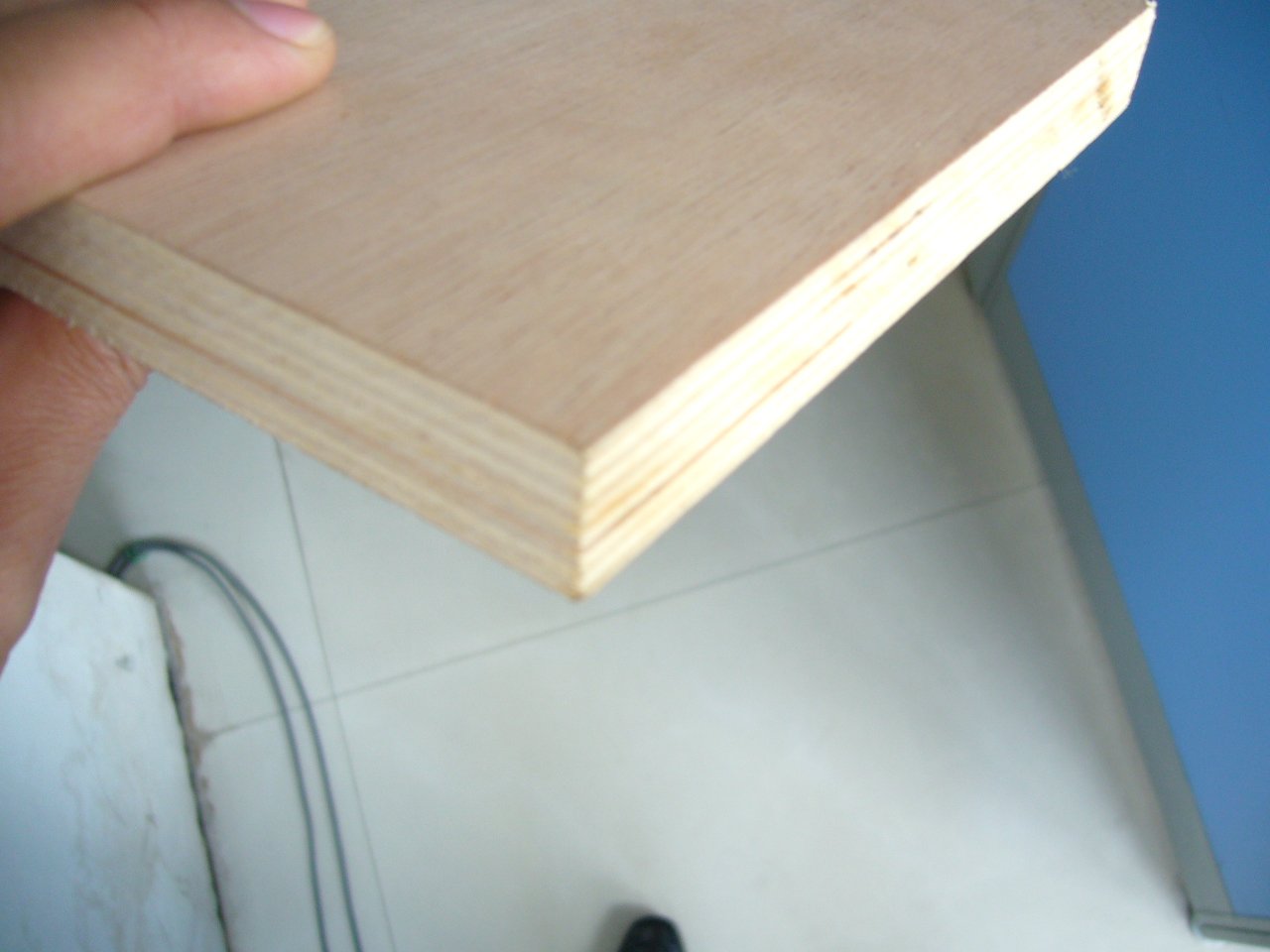
Plywood joinery differs from solid wood joinery in one basic way: the panel’s edge exposes alternating end grain and long grain, so a joint that grips in solid timber behaves differently in a sheet. Understanding that edge structure decides which joints hold and which loosen over time.
Cabinetmakers, shop builders, and DIY makers choose joints by the load, the hardware, and the finish, and the right plywood joinery keeps boxes square, shelves rigid, and drawer frames tight for the life of the furniture.
Plywood edges are layers of veneer stacked and glued, so a screw or a joint meets soft and hard grain in the same line. That mix gives decent holding in most cases but punishes over-tightening, and a joint that relies on friction alone can loosen as the panel moves with humidity.
The panel thickness also limits the joint. Thin sheets leave little material for a deep dado or a strong screw, while thicker panels open up the classic cabinet joints that carry real weight.
Glue does the heavy lifting in plywood work. A glued joint spreads the load across the whole face of the connection, and the mechanical fastener mainly holds the parts together until the glue cures and then shares the stress.
Fasteners bite best into the face grain of a plywood panel and less predictably into the layered edge. Designers send screws and dowels into the faces wherever possible and reserve the edges for glue joints, biscuits, and the joinery that spreads the load.
Where the edge must carry the joint, a thicker panel and a reinforced detail, such as a spline or a face strip, restore the strength that the bare layered edge lacks.
Joining two sheets edge to edge, or joining a panel to a frame, calls for joints that manage the layered edge. The biscuit joint, the spline, and the tongue and groove all add a mechanical key that aligns the parts and adds glue surface.
| Joint | Best use | Strength note |
|---|---|---|
| Biscuit | Edge-to-edge panel alignment | Alignment strong, load light |
| Spline | Edge joints carrying load | Adds a solid key across the seam |
| Dado | Shelves and dividers in a carcass | Strong when glued and pinned |
| Pocket screw | Quick right-angle assemblies | Good with glue, mediocre alone |
The dado earns its place in cabinet work because it locks the shelf into the side panel and carries vertical load along a wide glue line. A glued and pinned dado resists racking far better than a butt joint held only by screws.
The biscuit and the spline solve the edge-to-edge problem that shows on a wide panel. Both align the faces flush, and the spline adds enough solid wood across the seam to carry a load the biscuit alone would not.
Plywood joinery favors fasteners that spread the load and avoid splitting the edge. Wood screws with a coarse thread, pocket screws, and confirmats all work in plywood edges when the pilot hole is sized to the grain, and glue under the joint turns any of them into a lasting connection.
Dowels and domino-style floating tenons strengthen right-angle joints because they add a solid core across the layered edge. The maker drills matching holes in the panel faces and the mating part, and the tenon ties the two together with glue on every surface.
Reinforcement follows the load. A corner bracket braces a heavy shelf, a solid wood face strip turns a weak edge into a strong nailing line, and a hardwood nosing protects the joint that takes the daily wear.
The layered edge of plywood splits less predictably than solid timber, so the pilot hole matters more. A pilot sized just under the screw’s core, drilled straight into the edge, lets the screw cut rather than wedge the veneers apart.
Driving two fasteners where one would do rarely helps. A pair of screws spread along the joint shares the load, while a single over-tightened screw concentrates the stress and cracks the edge layer.
Cabinet and box work uses a small set of reliable joints: dadoes for shelves, rabbets and dadoes for the case, and a back panel that squares the box. The back, glued and pinned around the perimeter, does more for rigidity than any single corner detail.
A box stays square when the case is assembled on a flat surface and the diagonals are checked before the glue sets. The joinery holds the shape, but the assembly sequence creates it, and a square box keeps the doors and drawers aligned for years.
Drawer boxes take their own plan. The sides join to the front and back with a locking rabbet, a dovetail-style joint cut in plywood, or a glued and screwed butt, and the bottom slides into a groove cut in the sides so it floats with the seasonal movement.
A plywood joint lives or dies on the glue surface. The layered edge absorbs glue, so the joint wants enough applied to wet both surfaces without starving, and enough clamps to close the joint evenly along its whole length.
Clamp pressure moves down the joint as the glue sets, so a progressive clamp sequence from one end keeps the parts flush. A joint that looks tight but never clamped is the very one that quietly creeps open within a single season of use.
Joint strength starts with the panel. Commercial Plywood provides a stable, dense core that holds screws and routed joints for cabinet carcasses, while Melamine Plywood arrives pre-finished for the interiors and doors that skip site finishing. MDF Board machines clean edges for painted joinery detail, while Chip Board suits the budget carcass tiers where the joint relies on hardware. Film Faced Plywood stays on formwork.
Suppliers such as HYY list the core construction and the ply count on the contract, so the maker can match the panel density to the joints the design depends on.
Sequence decides the quality of a plywood assembly. Cut all parts first, dry-fit the joints, then glue in a logical order that keeps the box accessible for clamping. Gluing a closed box in one pass traps the maker with clamps that cannot reach the inside corners.
The frequent mistakes are predictable. Screws driven into an unprotected edge split the veneers, joints glued without a pilot or a key loosen under load, and carcasses assembled out of square throw every later fitting off. Each error has a simple fix in the setup, and the fixes cost minutes while the repairs cost hours of rework and a fresh sheet.
Test-fit every joint on scrap before the production run, on the exact panel grade the job will use. The scrap tells the maker whether the router bit, the saw kerf, and the fastener suit the panel at hand, and the real parts then go together without surprises.
Router-cut joints, such as dadoes and rabbets, expose the plywood layers along the shoulder and the bottom of the cut. A sharp bit and a controlled feed keep those layers clean, while a dull bit tears the veneer and leaves a ragged joint that never closes flush.
Cutting the joint slightly under-size and paring to a fit beats cutting oversize and shimming. A snug routed joint carries the load through the glue line, and a loose one relies on the fastener alone, which is exactly where the layered plywood edge is weakest.
What is the strongest joint for plywood? A glued and pinned dado or a glued dowel joint carries the most load in a carcass, while a spline strengthens edge-to-edge panel joints. Glue on a wide surface does most of the work.
Can you screw directly into plywood edges? Yes, with a correct pilot hole sized to the screw core. The layered edge holds a screw reasonably well but splits under over-tightening, so pair it with glue.
What glue works best for plywood joinery? A PVA wood glue suits most interior joints, while a moisture-resistant or cross-linking glue handles humid and wet service. Apply enough to wet both surfaces and clamp evenly.
How do you join plywood without visible fasteners? Use biscuits, splines, or floating tenons with glue, and hide the reinforcement inside the joint. The mechanical key aligns the parts while the glue holds them.
Why do plywood joints loosen over time? Fasteners working in the layered edge, joints left unglued, and panels moving with humidity all loosen a joint. Glue, proper pilot holes, and reinforcement keep the connection tight.