Our Location
5th Floor, Huake Center, Lanshan District, Linyi City, Shandong Province, China

5th Floor, Huake Center, Lanshan District, Linyi City, Shandong Province, China
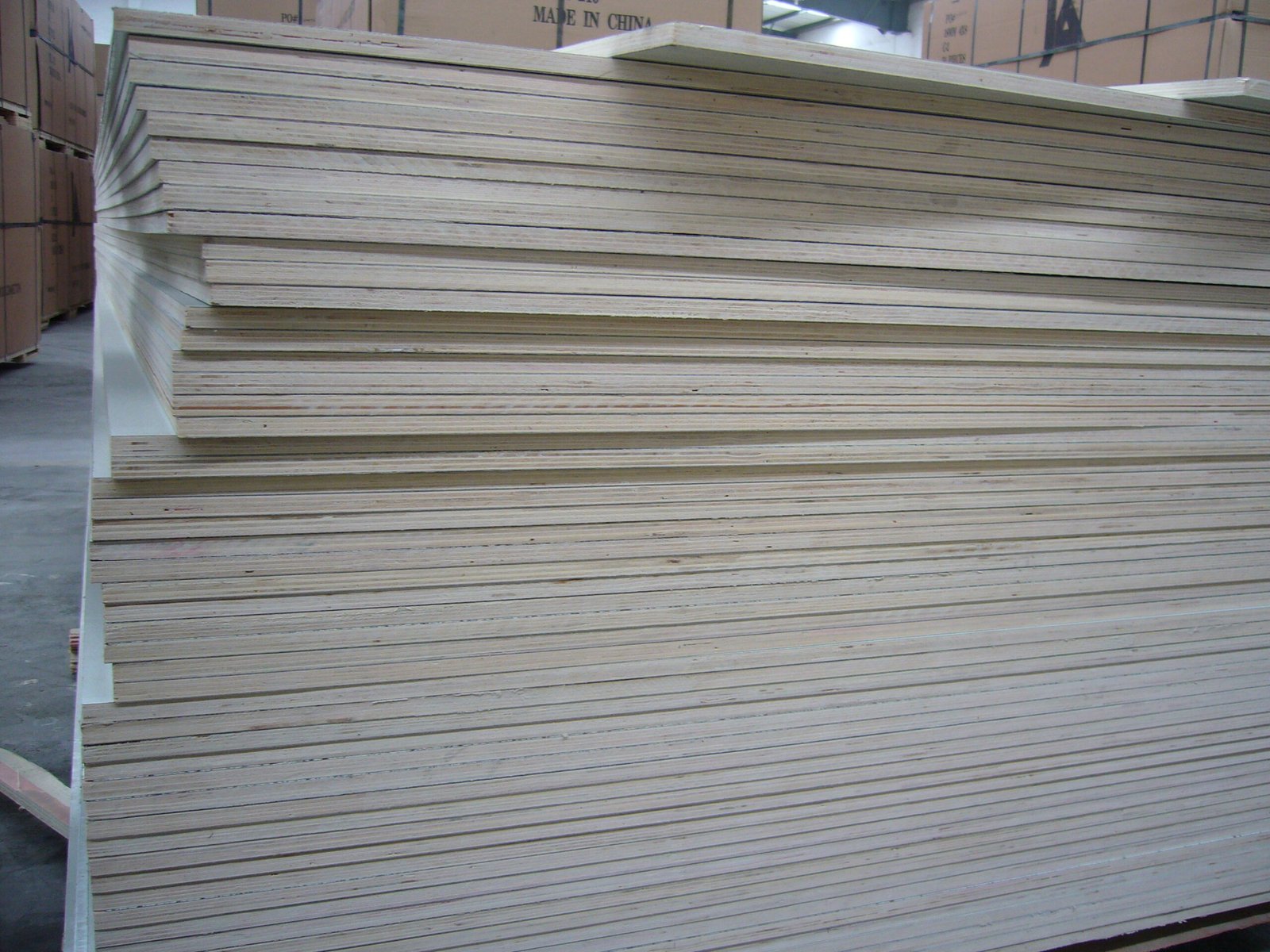
Good plywood how to clean practice starts with reading the surface before touching it, because the finish on the face decides the safe method. A sealed panel tolerates a damp cloth and mild soap, while a bare or raw sheet raises its grain the moment water sits on it, and the wrong cleaner leaves a permanent mark.
Homes, shops, and workshops all keep plywood furniture, cabinets, and work surfaces, and knowing which cleaner suits each finish keeps the panels presentable and the wood protected for years of service.
Plywood carries one of several finishes on its face: factory laminate, paint, clear varnish or oil, or bare sanded wood. The finish sets the rules for cleaning, and picking the method by the finish prevents the streaks, swelling, and grain lift that ruin a panel.
Sealed and laminated faces behave like plastic and wipe clean, while painted faces resist water but lose sheen under abrasive pads, and bare faces absorb liquid and swell. The first move is always to identify the face, not to reach for the strongest spray.
The edges hide the plywood layers and take water faster than the faces. A cleaning routine that protects the edges as well as the broad surface keeps the panel flat and stops the delamination that starts at a wet cut.
Any new product deserves a test on a hidden area, such as the back of a cabinet door or the underside of a shelf. Apply a little cleaner, wait a minute, and check for dulling, color shift, or grain lift before the whole panel gets the treatment.
The test costs seconds and saves the finished surface. A cleaner that marks the hidden spot would have ruined the visible face, and the test catches it while the panel stays whole.
For sealed, painted, and laminated faces, a damp cloth with a drop of mild dish soap handles dust, fingerprints, and light grease. Wipe with the grain, rinse the cloth often, and dry the surface with a second cloth so no water stands on the face or the seams.
For bare plywood, skip the wet cloth altogether for routine dust. A dry or barely damp microfiber cloth lifts dust without driving moisture into the grain, and a soft brush reaches the corners where crumbs collect in a workshop shelf.
Frequency matters less than technique. A quick weekly wipe keeps the surface clean, while soaking the panel on every clean is what causes the swelling and the lifted grain that no refinish fully repairs.
Microfiber cloths, a soft brush, mild dish soap, and a spray bottle of plain water cover nearly every routine job. Abrasive pads, bleach-heavy sprays, and solvents stay out of the kit for everyday use because they dull finishes and dry the wood.
Two cloths, one to wash and one to dry, keep the surface streak-free. A separate soft brush handles the textured or grooved faces and the seams where a cloth cannot reach.
Grease, ink, and food stains need a targeted approach rather than a stronger all-over wash. For a sealed face, a paste of baking soda and water lifts light grease without scratching, and a mild degreaser handles kitchen film on cabinet doors.
For ink and marker on a laminate face, a small amount of rubbing alcohol on a cloth usually lifts the mark, applied lightly and wiped dry so the solvent never pools on the surface. On bare wood, the same mark needs sanding rather than solvent, because the liquid drives the stain deeper into the grain.
Mold and mildew need a different plan: clean the surface, kill the spores with a diluted solution suited to the finish, and then fix the moisture that fed the growth. Cleaning without fixing the damp only brings the mold back within weeks.
Work from the gentlest method upward. Start with soap and water, then a paste, then a mild solvent, and stop as soon as the stain lifts. Scrubbing hard to save time flattens the finish and leaves a bright patch that shows under the room light.
Blot rather than rub when the finish is thin. Pressure spreads a stain across porous wood, and the smear is harder to reverse than the original spot.
Each finish answers to its own routine. Laminate and melamine faces wipe with a damp cloth and mild soap, painted faces take the same but avoid abrasive pads that dull the sheen, and clear-varnished or oiled faces want a specific cleaner made for the coating.
Bare plywood that will be refinished tolerates a light sanding as part of the clean, which removes the surface grime and prepares the grain for a new coat. Bare plywood that stays bare wants dry cleaning only, because every wet wipe raises the grain a little more.
Outdoor or exterior-bonded panels collect dirt and mildew faster and often need an annual wash with a mild detergent and a soft brush, followed by a full dry. The exterior bond resists water in the glue line, but the face still benefits from a wipe rather than a soak.
Skip abrasive cleansers, steel wool, and chlorine-heavy sprays on any finished face. Skip oil-based polishes on bare panels, where they trap dust and darken the wood unevenly. And skip soaking any plywood face even when the bond is exterior, because the veneer still moves with moisture.
A small set of gentle tools beats a shelf of aggressive products. The panels last longer, and the finish keeps the even look that made the plywood worth choosing.
Buyers who want low-maintenance surfaces choose panels by their face. Melamine Plywood arrives pre-finished with a wipe-clean surface ideal for cabinets and shelves, while Commercial Plywood provides a clean face for painted or varnished interiors. MDF Board machines smooth faces for painted furniture, Film Faced Plywood resists heavy duty grime on formwork, and Chip Board serves budget surfaces under laminate.
Suppliers such as HYY list the face material and the bond class on the contract so buyers can match the surface to the cleaning routine the room demands.
The easiest cleaning routine is the one the surface never needs. Coasters under drinks, mats under planters, and a quick wipe after cooking keep spills from becoming stains and stop water from reaching the edges where plywood fails first.
Edges that stay sealed resist water far better than bare cuts, so banding or a coat of varnish along the exposed layers protects the panel between cleans. When the finish dulls from repeated cleaning, a fresh coat of varnish or paint restores both the look and the easier cleaning that comes with a smooth surface.
Kept simple and consistent, a plywood cleaning routine protects the panel and the finish for the life of the furniture, and the surface stays as clean as the day it was installed.
Grooved and textured plywood hides dust in every channel, and a flat cloth skips the deepest lines. A soft brush works the grooves, followed by a damp cloth along the grain, and a dry pass lifts the loosened dirt away before it settles back into place.
Textured faces collect more grime than smooth ones, so they reward a slightly more frequent routine. The brush does the real work, and a light touch keeps the grooves and the finish fully intact.
Can you clean plywood with water? A finished or sealed plywood face tolerates a damp cloth, but bare plywood should be dusted dry. Never soak a panel, because the veneer and the edges absorb water and swell.
How do you clean unfinished plywood? Use a dry or barely damp microfiber cloth for dust, and a light sanding for grime before refinishing. Keep water off the surface and the edges.
What is the best cleaner for plywood cabinets? A damp cloth with mild dish soap suits melamine and painted cabinets. Rinse and dry quickly, and test any new product on a hidden spot first.
Does plywood need sealing before cleaning? Sealing or finishing the face and the edges makes cleaning easier and protects the wood. A sealed surface wipes clean, while a bare face absorbs liquid and stains.
How do you remove mold from plywood? Clean the surface, apply a diluted mildew treatment suited to the finish, dry the panel fully, and then fix the moisture that caused the growth so it does not return.