Our Location
5th Floor, Huake Center, Lanshan District, Linyi City, Shandong Province, China

5th Floor, Huake Center, Lanshan District, Linyi City, Shandong Province, China
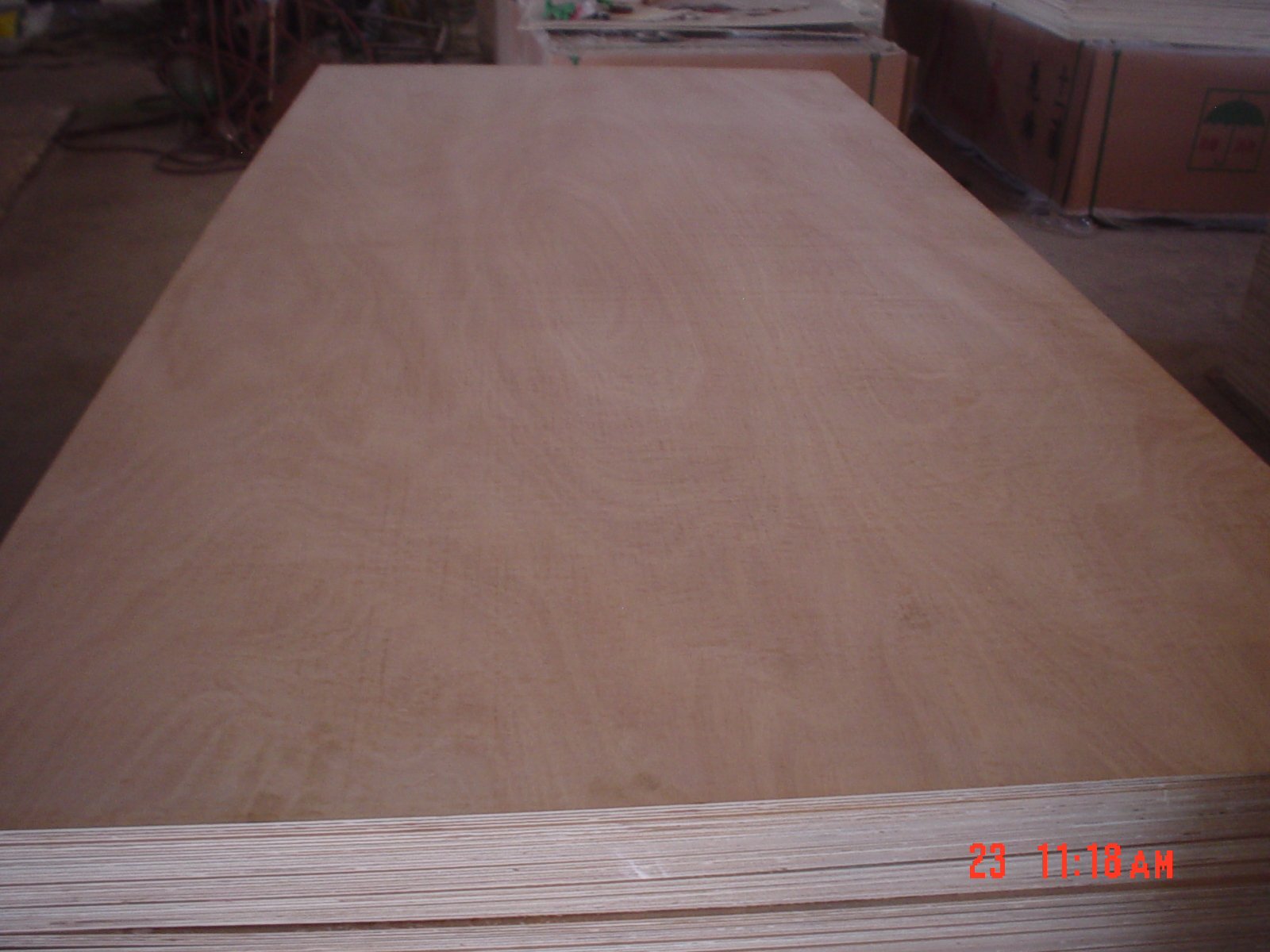
Plywood vs plyboard looks like a naming dispute until the panel hits the saw. In some markets, plyboard means the same layered plywood; in others it names a particle or chip board entirely different in construction, and the two materials fail in opposite ways.
Buyers who settle the local meaning before they order avoid the classic mistake of quoting a structural sheet and receiving a particle panel, or paying for a layered plywood where the drawing expects a flat board.
The word plyboard carries different factual weight depending on the country and the supplier. In South Asian and UK trade usage, plyboard often translates loosely to plywood, while in other regions the same term describes particle board or a laminated chip sheet.
The confusion costs money at the container when the delivered sheet does not match the intended job. A buyer who orders plyboard meaning layered plywood and receives chipboard gets a panel that cannot carry the shelf span, and the reverse order overpays for a structural grade on a flat decorative part.
Because the term travels ambiguously, the reliable fix removes the words and specifies the construction on the contract: veneer layers on one side, wood particles bound in resin on the other, and the grade letters decide which one arrives.
Export buyers translate building materials across markets daily. The same vocabulary that means plywood in Delhi means chipboard in a Chicago shop, so every spec should carry the material family name plus the grade or standard, not a slang translation that loses its meaning at the dock.
The two panels start from completely different raw materials, and that split drives every performance figure on the data sheet.
| Factor | Plywood | Plyboard (particle) |
|---|---|---|
| Construction | Cross-laminated veneer layers | Particles and chips in resin |
| Strength | High, engineered grain direction | Moderate, direction-independent |
| Screw holding | Strong edge and face | Lower edge holding |
| Moisture behavior | Swells, dries back if bonded | Expands permanently when wet |
| Cost | Higher | Lower |
Cross-laminated veneers give plywood its strength and its predictable behavior under load. Screws bite into solid wood plies at the face and hold at the edge, so the sheet carries structural work and furniture hardware with confidence.
Particle board gains flatness and low cost but trades away edge holding and moisture tolerance. The moment the sheet meets standing water, the particles swell, and the panel loses its shape permanently, which removes plyboard from wet and load-bearing service.
Match the material to the duty and each sheet earns its price.
Structural work stays on plywood because the panel transfers load through the layered grain. Flat interior surfaces that never see moisture or heavy screws run economically as particle board, and the laminate or veneer hides the core.
Consequently, the drawing names the role, the role names the panel, and the shipped material matches the code instead of fighting it.
Specifiers translate regional vocabulary into one standard language, the construction family, before the order ships.
Every one of those names carries a separate set of performance numbers. A contract line that says “veneer plywood, exterior bond” removes all ambiguity, while a line that says “plyboard” leaves the delivery open until the container opens.
Suppliers such as HYY list the material family and the construction on the export contract, so the buyer receives the layered panel they priced rather than a particle substitute.
Plywood costs more per sheet and delivers structural and moisture performance. The price gap tightens when the panel carries screws, spans sections, or meets damp air, because the cheaper sheet replaces itself early.
Buyers who use particle board as a drop-in plywood substitute find the savings disappear in sagging shelves and stripped screws. Conversely, a spec that demands flat, covered surfaces pays an unnecessary premium by ordering structural plywood where a flat board performs.
The purchase decision therefore runs on the scoreboard of the actual job: load, moisture, hardware, and the finishing plan.
Translate the decision into a contract line with four facts and the container arrives correct.
Commercial Plywood takes the structural middle ground of the range, while Melamine Plywood pre-finishes interior furniture panels. On the interior budget lines, MDF Board machines flat for joinery, and Chip Board serves the flat covered parts where the wood panel family works as plyboard.
Defining the terms once on the drawing saves the rework, and both panels fill useful roles once the contract names them correctly.
Cabinet doors, drawer fronts, and shelf supports put the hardware schedule ahead of the surface. Plywood accepts hinge screws, cam locks, and drawer slides with full thread engagement, and the edge grain lets the fastener bite into solid wood plies. Particle plyboard holds a screw once and strips fast when the same hole sees repeated hardware cycles, so any piece that opens, slides, or carries a mechanism belongs in plywood.
The trade-off shows up in the surface finish. Particle panels paint and laminate more evenly because the face stays free of the plies and the grain, which is why cabinet shops laminate over particle cores and reserve visible plywood faces for clear finishes. The choice reads as a straight cost-performance line: the mechanism and the load pick plywood, the flat painted face picks particle board, and the coating hides whichever core the drawing selects.
Edge behavior reinforces the split. Plywood edges hold screws and trim neatly and take edge banding without telegraphing the layer lines, while particle edges crumble under a router and need a solid band to carry a screw. For cabinetry and furniture, the edge is the first place the panel proves its construction, and the saw blade reads the difference before the buyer does.
Shipping doubles down on the naming problem, because the container manifest has to tell the port staff and the buyer exactly what the sheets contain. A cargo line naming the material family, the bond, and the grade keeps the delivery inspection honest, and the buyer checks the arrival panel against those same lines instead of the invoice language.
Interior parts and export packing need the same discipline. Wrap the sheets to the moisture class, mark the bundle with the construction family and the grade, and keep the surveyor’s samples aligned with the shipped stock. The paperwork becomes the second seal of the spec, backing the material choice with a record that travels from the mill to the bench.
Buyers who keep the vocabulary straight at the quotation stage avoid the rework entirely. The supplier reads the construction family on the request, quotes the right sheet, and the arrival inspection confirms the grade, so the project runs on material that matches the drawing from the first cut to the last screw.
Is plyboard the same as plywood? Sometimes the words mean the same layered panel, but in many regions plyboard names a particle or chip board, so the construction family and grade must appear on the spec to settle it.
Which is stronger, plywood or plyboard? Layered veneer plywood carries higher strength, screw holding, and moisture tolerance than particle plyboard, which suits flat interior parts but not load-bearing or wet work.
Can I use plyboard instead of plywood for a shelf? Only in light, dry shelving while plywood carries longer spans and heavier loads, because the particle panel sheds its holding power at unsupported lengths.
Does plyboard warp like plywood? Particle board stays flatter in steady indoor air, but swells permanently if it gets wet, while plywood tends to cup and dry back without the same irreversible damage.
Why is plywood more expensive than plyboard? The material starts from whole veneer logs and cross-laminates under pressure, while plyboard binds low-cost particles in resin, so the raw materials and process price the difference.
What is MDF compared to plyboard? MDF is a fine fiber panel that machines very smooth edges, while particle plyboard keeps a coarser texture; both sit in the flat-therapy family opposite structural plywood.