Our Location
5th Floor, Huake Center, Lanshan District, Linyi City, Shandong Province, China

5th Floor, Huake Center, Lanshan District, Linyi City, Shandong Province, China
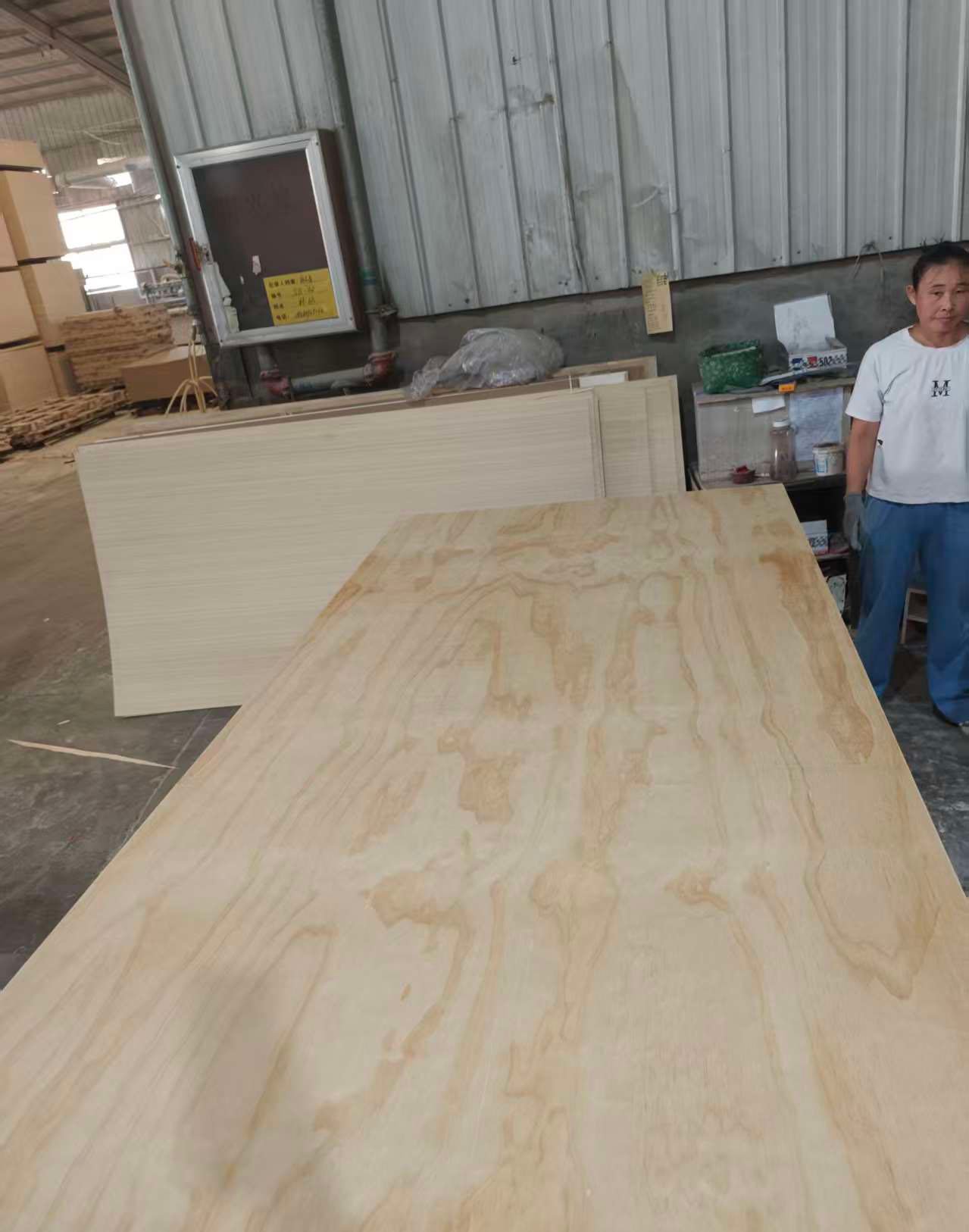
Plywood projects succeed on the same rule as any build: the panel matches the duty before the saw starts. A smooth-faced sheet carries furniture-grade surfaces, a structural panel carries shelves and decks, and an economy sheet hides in the covered corners where cost wins.
Home builders and commercial shops lose material and time when the grade and thickness stay unfixed, so the project plan names the panel family on every cutting list.
The first project decision is the material family, and plywood’s versatility comes from the range it covers in one sheet.
A plywood furniture project, drawers, doors, and case parts, keeps the face grade high where the finish shows and drops it behind panels that never meet the eye. That split lets the sheet budget land where the customer looks.
Likewise a shop bench carries the structural grade while the finish plays no part, and every project borrows from the same economy: buy the performance you use, not the grade you can see only in the mirror.
Thickness carries the span, so the cutting list reads the load before the shelf drop.
| Thickness | Typical project role | Span behavior |
|---|---|---|
| 6 mm | Drawer bottoms, backs, dust panels | Fills frames without load |
| 9 mm | Light shelves, cabinet backs | Carries small parts |
| 12 mm | Shelves, small furniture, templates | Good everyday span |
| 15 mm | Case sides, work surfaces | Firm under working load |
| 18 mm | Benches, decks, heavy shelving | Handles the load |
A twelve millimeter sheet suits most interior shelving, while bench tops and heavy decks move to fifteen and eighteen. When a long, unsupported span appears on the drawing, add thickness or a center support and the panel stays flat under weight.
The play between thickness and ply count changes stiffness, so the spec quotes both numbers on load-bearing pieces. Equally important, the sheet size and the panel layout drive the cutting list, and a good sheet layout reduces waste more than any shortcut.
Interior projects reward clean faces, square cutting, and edge treatment. The sheet becomes the case, the drawer, the door, and the shelf, all from one purchase.
Start with a furniture-grade face and a flat core, then craft the joints from the panel itself: butt joints with biscuits, dadoes, or simple screws with a glued edge. The panel edge accepts trimming, and edge banding or a painted edge finishes the seam.
Drawers gain strength when the bottom plies sit inside the dado and the front face carries the best veneer. Doors with a plywood face and a frame stay flat, and shelves rest on cleats so the load transfers to the case rather than the fastener alone.
How the pieces fasten matters as much as how they fit. A pilot hole and a proper screw keep the plywood edge from splitting, while a glued joint prevents the seasonal movement from working the panel loose.
Shop builds and storage furniture want structure and a surface that survives hard use.
Workbench builds skip the pretty face and spend on core and thickness. The best bench top earns its keep under clamps, hammer fall, and sliding workpieces, so buyers favor a dense core that resists denting and a surface that scrapes clean when a finish wears.
Sawhorses and temporary platforms use the same structural sheet and a forgiving screw schedule, since joining them with carriage bolts lets the components break down and store flat.
Finish follows the exposure, and the edge treatment carries the lion’s share of the protection.
Interior furniture takes clear varnish, lacquer, or paint over a sanded face, and an edge band covers the ply edge where the layered look reads unfinished. Exterior and wet projects demand a moisture-tolerant finish and a sealed edge, since water climbs the end grain first.
Pre-sanding the panels before assembly keeps the finish off the glue joints, and a final coat after assembly repairs the sanded spots at the seams. The finish plan works backward from the exposure, not from the color of the room.
Good projects start on paper, and the layout saves most of the budget.
Cut the good face down on the table saw and the underside of the panel, which keeps the cut clean and the splinter on the hidden edge. A straightedge guide on a circular saw matches the bench saw for accuracy on full sheets, and a stop block repeats identical parts for the run.
Buyers who keep the layout simple finish with less scrap and more usable panel. The project then costs less wasted material, which is why the planning sheet earns its place before the power tool does.
One order frequently mixes two or three panel families so each part pays only for what it uses.
Commercial Plywood takes the general construction and furniture middle ground with dependable faces and a stiff core, while Melamine Plywood pre-finishes cabinet and shelf surfaces. MDF Board machines flat for doors, panels, and trim, and Chip Board anchors the budget range for flat covered parts. Suppliers such as HYY list face, core, and bond on the export contract, so the assembled build list reaches the bench exactly as ordered.
Match every sheet on the cutting list to its role in the finish, and the project runs straight through the build without a single panel doing double duty it cannot handle.
The fastest projects fail when one panel tries to cover every role. A clean build list names the grade per part, and the sheet order follows the parts rather than a single generic buy. The face-grade sheets handle the visible faces, the structural sheets carry the spans, and the economy sheets fill the backs and the drawer bottoms, so the project pays only for what each surface uses.
That roster also keeps the sheet count honest. A sketch that tallies every part matches the delivered panels, and the shop avoids cutting a premium sheet where a utility panel would do. The plan then runs faster because the worktable holds the right panel for each cut, and the finish stage spends its effort where the customer looks.
A final coat protects the assembled build, so schedule the finish after the joinery rather than before it. Sanding the parts flat before glue-up and sealing the cut edges right after assembly keeps the project dimensionally stable, and the surface then holds its shape through seasonal swings inside the shop or the home.
What is the best plywood for furniture projects? A clean hardwood face on a stiff core, often birch-faced or an AA/AB grade, because the face finishes clearly and the core holds the screws and span.
What thickness of plywood should I use for shelves? Twelve millimeter carries ordinary shelves, while longer or heavier spans move to fifteen or eighteen millimeter, and edge supports stretch any of them further.
Can you build furniture entirely from plywood? Yes, plywood builds cases, drawers, doors, and shelves from one sheet, and the panel family holds hinges and hardware well when the grade matches the part.
Do I need to seal the edges of plywood projects? Yes, cut edges absorb finish and moisture fastest, so sealing them first keeps the project flat and the finish even.
What is the cheapest way to build with plywood? Buy the grade to the part, using utility sheets behind panels and a higher face only where the surface shows, then plan the cutting layout to trim waste.
Is MDF or plywood better for a painting project? MDF paints flatter with no grain, while plywood holds screws and moisture better, so the choice follows the hardware and the exposure rather than the paint alone.