Our Location
5th Floor, Huake Center, Lanshan District, Linyi City, Shandong Province, China

5th Floor, Huake Center, Lanshan District, Linyi City, Shandong Province, China
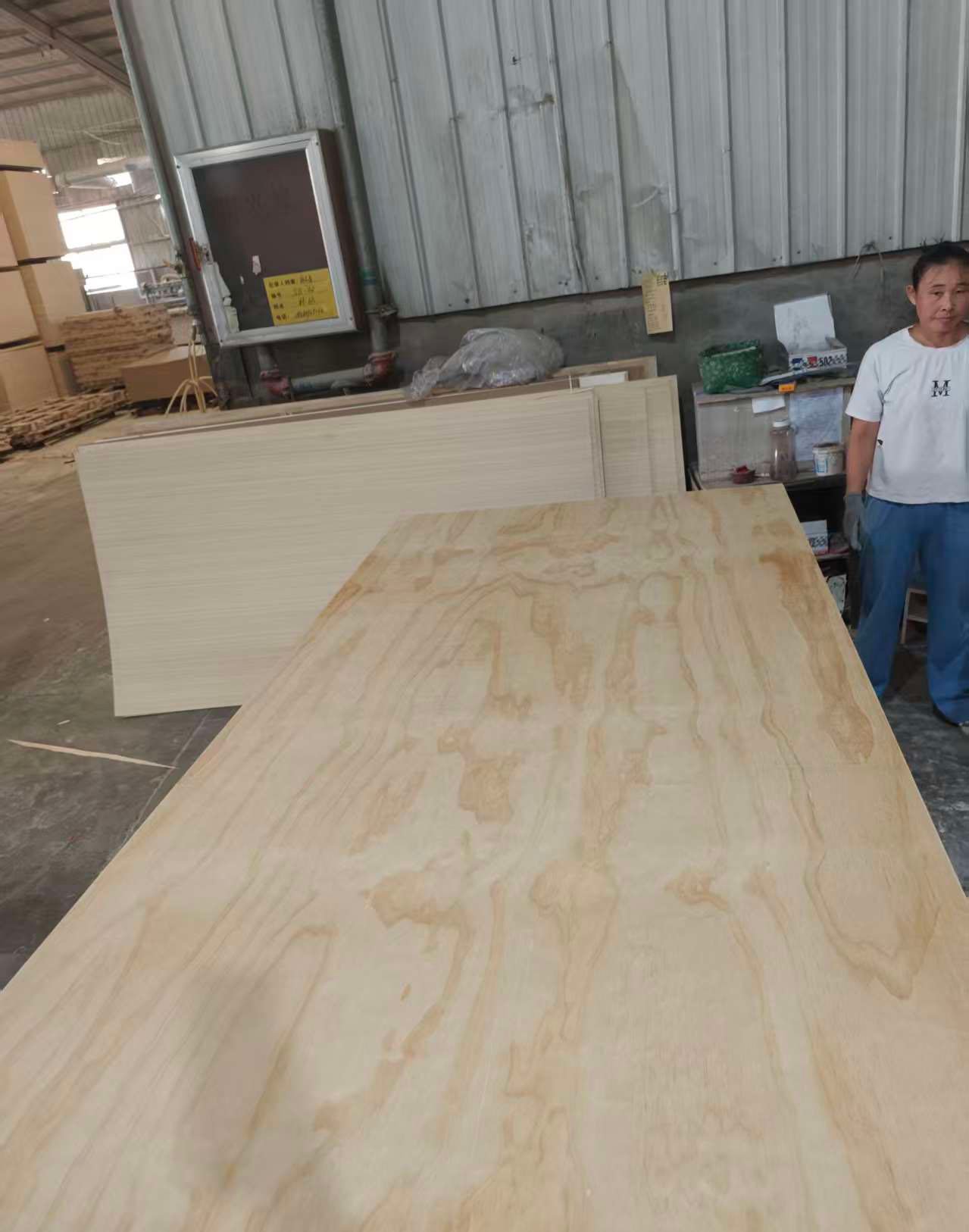
Plywood treated for wet service solves one specific problem: moisture and insect exposure that ordinary exterior panels cannot survive long-term. The treatment forces preservative deep into the wood fibers so the sheet keeps working where water, soil, and pests would otherwise take it apart.
Buyers reach for treated panels when the application touches the ground, stands in permanent wet, or carries food-related risk, and the right product specification determines how long that panel really lasts.
Pressure-treated plywood receives a preservative under high pressure so the chemical penetrates the veneer layers instead of sitting as a surface coat. The process opens the wood fibers, drives the solution in, then sets it so the treatment resists leaching.
Most treated panels undergo the same pressure cycle used for treated lumber, with the preservative forced through the plies and the edges. The edge of the sheet absorbs the treatment readily because the end grain drinks in the solution, which makes cut edges one of the strongest parts of the treated panel.
The treatment does not waterproof the wood. It poisons the conditions that mold, rot fungi, and termites need to digest the fibers, so the panel lasts in moisture where untreated material would soften over seasons.
A treated panel needs an exterior or marine glue line to hold the plies together under wet service. The preservative protects the wood, while the bond holds the layered construction, and buyers should confirm both on the spec sheet rather than assume one covers the other.
Treatments differ by chemistry and by the exposure they tolerate, and the label names the intended service class.
| Preservative | Typical use | Best for |
|---|---|---|
| ACQ | Above-ground and ground-contact | Decks, fences, and outbuildings |
| CA (copper azole) | Above-ground and ground-contact | Structural and exposure panels |
| CCA | Heavy-duty ground contact | Marine and industrial applications |
| MCA | Above-ground | Residential and add-on treated wood |
Use classes translate the treatment into the job: above-ground panels suit decks and sheathing that shed water, while ground-contact panels take the preservative load for posts, planters, and soil-facing construction. Marine-rated panels handle constant immersion where the chemistry and the bond both face extreme duty.
Cut edges and drilled holes expose fresh, untreated wood inside the panel. Field treatment with a brush-on preservative restores the protection at cuts, and every on-site modification deserves the follow-up dab.
The treated premium pays off in the handful of jobs where ordinary exterior panels fail early.
In residential work, treated sheathing appears where the house meets the soil line and where ventilation cannot keep the assembly dry. On the farm and the commercial lot, treated panels survive the spray washdown and the animal moisture that would soften a standard sheet.
Projects that use treated plywood should specify the use class and the fastener plan together. Treated wood reacts with plain steel fasteners over time, so stainless or coated screws and nails belong on the same order as the panel.
The comparison turns on exposure intensity, cost, and the chemicals the site can tolerate.
| Factor | Treated plywood | Exterior plywood |
|---|---|---|
| Rot resistance | High, preservative-driven | Moderate, bond-driven |
| Insect resistance | High | Limited |
| Ground-contact service | Yes, rated classes | No |
| Cost | Higher | Moderate |
| Fastener requirements | Stainless or coated | Standard galvanized fine |
Standard exterior sheathing serves walls, roofs, and subfloors on the bench and off the ground, where the panel sheds water and dries out. Treated plywood steps into the permanently wet and soil-touching roles. Choosing between them follows the exposure, so the spec reads the site before the sticker.
Suppliers such as HYY document the treatment class, the bond, and the moisture range on the shipment spec, which lets buyers verify the panel matches the intended use class.
Modern treatments use copper-based chemistry, and safe handling follows simple rules.
Copper-based treatments leave the surface cool, gray-green, and sometimes visibly streaked. Painting takes a bonded primer for adhesion, and the panel records its best stability in service when it dries out between wet events.
Confirm the exposure, the chemistry, and the structural rating on the same line as the thickness.
For dry interior storage and general construction duty, buyers keep the premium off the order and use standard exterior panels. The treated buy applies only where the moisture plan fails first, and the job wins when the chemistry matches the exposure.
The panel range covers the untreated side of the order too. Commercial Plywood handles general construction and interior work with dependable faces and a stiff core, while Film Faced Plywood owns the wet construction side where concrete and pour duty demand a dense, phenolic-coated face. On the interior lines, Melamine Plywood pre-finishes furniture and cabinet panels, and MDF Board machines flat for paint-grade joinery. Each panel earns its place, and the treated product carries only the genuinely wet jobs.
Treatments divide sheet goods into two camps, and the buyer orders by construction, not by the preservative alone. A film faced panel brings a dense phenolic surface built for concrete pours and repeated wet use, while a commercial panel handles general construction and interior fit-out without any pressure treatment at all. The chemistry only matters where the moisture plan fails, and the construction family decides the rest.
Therefore the spec sheet tells the real story. It lists the use class, the bond class, the core species, and the moisture range, and those four lines separate a treated panel from an ordinary exterior sheet traveling through the same warehouse. An untrained reader sees the color and assumes water resistance; a trained buyer reads the retention level and the bond and orders with confidence.
Exports add one more variable: the destination climate and the building code. Some markets require a stated treatment retention for ground-contact framing, others accept an exterior bond alone, and a few demand certification paperwork alongside the panel. Confirm the local requirement before the container loads, because the treatment that protects a deck in one climate does nothing for a framing approval in another.
Treated plywood arrives flat when the mill and the logistics team handle it with care. Store the stack flat on bearers, keep it off the ground, and cover it loosely so air circulates while the rain stays off the face.
Lift full sheets with two hands on the edge rather than sliding them, because the panel face scratches easily and the edges take dents that invite moisture. Panels that wait outside before installation gain the same advantage as installed ones, but they stay healthier when the stack dries between weather events.
Once the treated panel sets into place, the maintenance plan reverts to the finish rather than the chemistry. Re-coat the surface when the traffic wears it, keep water from pooling at the joints, and check the fasteners for corrosion under the panel edge, and the treated sheet keeps its service life well past the dry-in stage.
Is treated plywood the same as exterior plywood? No, exterior plywood uses a weatherproof glue line, while treated plywood adds a preservative for rot and insect resistance, and the best panels carry both features.
Can treated plywood touch the ground? Yes, ground-contact treated plywood carries the preservative retention for soil service, though standard exterior plywood does not suit that role.
Do I need to seal cut edges of treated plywood? Yes, cut edges expose untreated fiber, so apply a brush-on preservative to restore protection at the cut lines.
Is pressure treated plywood safe for indoor use? It suits controlled interior moisture locations after proper handling, but buyers often prefer standard panels indoors and reserve treated material for wet exposure.
How long does treated plywood last outdoors? With the right use class and finish, treated panels last many years in weather and soil, outliving untreated exterior panels in the same exposure.
Why does new treated plywood look green? Copper-based preservatives give the surface a green or gray-green tone that weathers to a natural gray as the panel ages.