Our Location
5th Floor, Huake Center, Lanshan District, Linyi City, Shandong Province, China

5th Floor, Huake Center, Lanshan District, Linyi City, Shandong Province, China
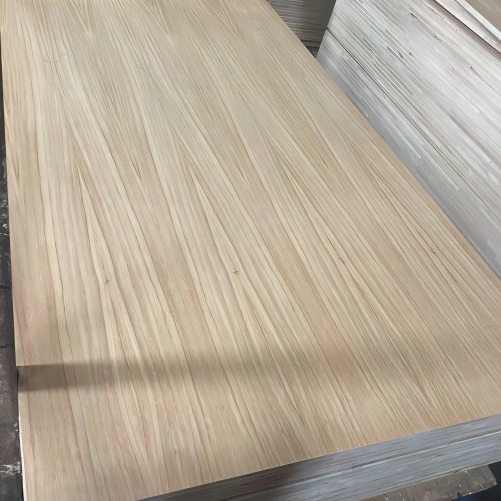
Plywood sheets dominate construction, packaging, and furniture for one simple reason: a full sheet carries more stiffness per dollar than any solid board of the same width. This guide explains the sizes, thicknesses, and grades buyers actually meet in the trade, then walks the ordering steps that keep the delivered sheets matched to the job. Use it before you request quotations in bulk.
Most confusion between suppliers comes down to three numbers: sheet size, thickness, and face grade. Lock those three in writing, and the container almost always lands exactly as specified.
Trading sizes follow shipping reality, so a handful of dimensions cover most of the world’s panel orders. The metric 2440 by 1220 millimeter sheet and the imperial 4 by 8 foot sheet dominate because they split cleanly into common wall and floor grids.
A 2440 by 1220mm sheet matches the imperial 4×8 sheet almost exactly, so suppliers serve both descriptions with the same physical panel. Regional markets add 2440 by 1830 and 3050 by 1525 sheets for larger spans, and project buyers order these where the drawing demands fewer joints.
| Sheet size | Common dimension | Typical use |
|---|---|---|
| 2440 x 1220mm | 8 x 4 ft | General sheathing and joinery |
| 2440 x 1830mm | 8 x 6 ft | Larger interior panels |
| 3050 x 1525mm | 10 x 5 ft | Long roof and wall spans |
| 1220 x 610mm | 4 x 2 ft | Cut-down packing and repair sizes |
| 915 x 610mm | 3 x 2 ft | Panel backs and small case work |
Never assume the cut-down sizes carry the same price per area. Scrap recovery and extra machining raise the per-square-meter price of small sheets, so compare quotations by cost per square meter rather than cost per sheet whenever sizes differ.
Container math also favors standard sheets. A 40-foot container packs roughly the same usable area whether it carries 2440 by 1220mm or 3050 by 1525mm panels, yet mixed sizes waste void space, so buyers ordering large volumes should confirm the loading layout before the contract locks the size mix.
Thickness follows span, load, and application class. The trading range runs from thin flexible sheets up to thick heavy-duty panels, and each band serves a familiar set of jobs.
Nominal thickness can differ from actual by up to half a millimeter depending on the sanding pass, so state the tolerance you will accept on the dimension when the finished thickness feeds a machining line or a stair tread build-up.
Thickness alone never sets the strength. A 12mm sheet with seven plies carries a bigger floor load than a 12mm sheet with three thin plies from the same species, so request the ply count and the lay-up with the quotation and let the engineering duty, not the thickness number, decide the order.
Sheets carry a face grade that ranks cosmetic quality and a bond class that ranks moisture survival, and the two numbers together define the product’s place.
Face grades run from premium sanded faces without knots down to construction faces with open knots and patches. Paint-grade faces save finishing labor, utility faces cut the price for formwork and hidden structure, and the face you choose should match where the sheet shows after installation.
The printed stamp carries the ground truth: the grade letter, the bond class, a thickness reference, and the agency that issued the rating. Site crews rely on this stamp during inspection, so write the expected stamp details into the contract and compare the delivered sheets against them before the receiving report leaves your hand.
Interior sheets dry-glue for rooms, moisture-resistant sheets tolerate kitchens and bathrooms, and exterior or weatherproof sheets carry fully waterproof bonds for rain-exposed work. Confirm the bond class on the stamp, because a sheet sold as waterproof conversation must prove it on the printed face.
Sheet buyers compare plywood against the engineered panels because all of them arrive in the same trading sizes, yet the core construction changes the strength, weight, and edge behavior completely.
Commercial Plywood stays the default for structure and crating because its cross-laminated veneers carry loads in both directions. Film Faced Plywood adds the resin surface that survives concrete and wet service. Where the surface wins over the structure, MDF Board gives a flat paint-ready face and Chip Board cuts the budget for furniture carcasses. The deciding question stays simple: does this sheet carry a load and see moisture, or does it only present a surface?
Work the order in the same sequence every time, then record every answer on the contract.
Include the delivery window and the acceptance rule in the same file. A written acceptance clause that references the arrival inspection procedure keeps a disappointing container out of the negotiation loop and inside the warranty, where it belongs.
Order a graded sample before bulk commitments. A short sample pack from the actual production run reveals face quality, thickness drift, and stamp accuracy, and it gives the receiving crew a physical reference to compare against the container when it lands.
Full sheets stack face to face and bind to steel or plywood runners, then wrap in waterproof film with edge seals for long voyages. Bundles that travel unbanded shift in the container and arrive with corner damage, so verify the banding standard before the gates close.
Inspection at the receiving dock stops small issues from becoming site delays. Use the same steps on every container and keep the photos with the batch records.
Suppliers such as HYY issue the sheet spec with size, thickness, grade, and bond class on every export contract, which gives the receiving crew the exact numbers to check against the stamps.
Log the inspection results next to the container number and keep a sample sheet from the same batch. When a follow-up claim appears weeks later, the recorded measurements and the held sample settle the dispute faster than any photo or email chain. The five-minute habit of numbering the timber on receipt pays back every time a full order depends on it.
What is the most common plywood sheet size? The 2440 by 1220mm sheet, equal to 4 by 8 feet, leads export trade because it matches standard framing grids for walls, floors, and roofs.
How thick should a plywood sheet be? Match the thickness to the span and the live load from the design table, with 18mm covering most floor and structural work and thinner sheets serving interior panels.
What is the difference between CDX and builders grade? CDX describes an exterior-bonded construction plywood, while builders grade can mean a budget sheathing sheet of varying bond class, so check the actual stamp on the panel.
Can I order mixed sizes in one container? Yes, mills accept size mixes when each size group keeps its own tally section on the packing list, which simplifies receiving and storage on site.
Why do plywood sheet prices differ between suppliers? Face grade, core species, bond class, and packing standard all move the price, so compare quotations on an equal specification rather than sheet to sheet.
What does CD mean on a plywood sheet? CD lists the face and back grades, with C for the better face and D for the reverse, so a CD sheet carries a construction-quality face suited to sheathing and concealed structure.
Can plywood sheets be cut to custom sizes at the mill? Yes, many mills cut to plan, but custom cutting adds waste and handling cost, so order full sheets unless the project genuinely needs the exact dimension and the cutting waste feeds another job.