Our Location
5th Floor, Huake Center, Lanshan District, Linyi City, Shandong Province, China

5th Floor, Huake Center, Lanshan District, Linyi City, Shandong Province, China
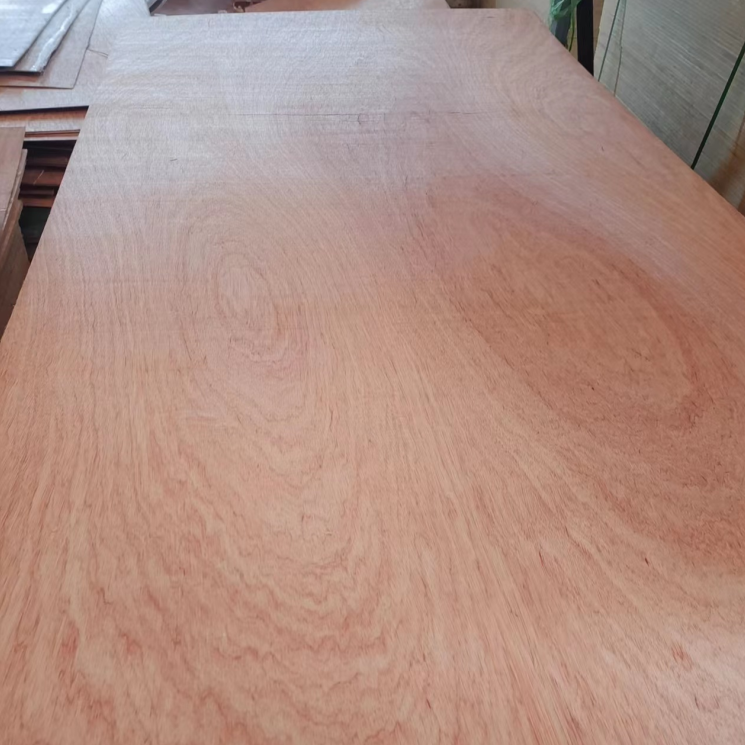
Construction plywood manufacturers sell panels to frames, floors, walls, and formwork, yet the buying decision usually depends on things the buyer never sees: kiln-dried veneers, a tested WBP glue line, and batch records that survive an audit. This guide walks through which factory capabilities actually matter, which certifications a genuine manufacturer holds, and which documents belong in your order file before the container leaves port.
Two mills can quote the same price for the same 18mm sheet while delivering panels with very different lives in service. The difference shows up in veneer preparation, adhesive quality, and process control, which is why scouting the factory matters more than comparing unit prices.
A genuine plywood manufacturer controls the steps that decide panel quality: log selection, veneer peeling, drying, glueing, pressing, trimming, and grading. Each stage removes a variable that would otherwise land on your site as a defect.
Veneers that dry unevenly warp, blister, or telegraph through the face. Mills that kiln-dry to a narrow moisture band produce panels that stay flat and cut cleanly, so request the drying parameters and the measured moisture range on the shipment instead of accepting a vague claim.
Structural and exterior panels need a weatherproof or marine bond, and the resin matters as much as the press time. Check that the factory runs adhesive bond tests per batch and keeps the resin certificates, because a collapsed glue line ends the panel’s life faster than any surface defect.
The finishing line decides what arrives in the container. Panels that pass moisture and bond checks still fail if graders let warped sheets through, so look for defined face grades, edge trimming to length, and a written reject policy. A factory that names its grade limits shows the same discipline on the shipping floor that it claims in the brochure.
Capacity tells you whether the factory can hold one specification across a whole container and repeat it for the next order. Small lines drift, while larger operations hold consistent pressing parameters across shifts.
| Capability signal | What it means for the buyer |
|---|---|
| Number of hot presses | Higher throughput with steadier pressing cycles |
| Dedicated veneer drying line | Consistent moisture across every sheet |
| In-line quality stations | Defects caught before pressing and shipping |
| Banded packing line | Clean, protected panels in the container |
| Test lab on site | Moisture, bond, and film checks at production speed |
Ask for production figures by month and by product line, then compare them with the shipment volume they promise you. A factory quoting a 500-container year can only satisfy a handful of large accounts; an honest producer scales the promise to the actual press capacity.
Panel demand spikes during construction seasons, and a mill’s calendar fills months ahead. Place repeat orders against the factory schedule, and confirm the production window in writing so the site crew never waits on a container that arrives late.
Consistency also depends on the shift rhythm. Factories that run continuous quality checks at veneer drying, glue spreading, and the press line produce uniform panels across day and night shifts, while plants that check only at the finishing line catch defects late and ship mixed quality in the same bundle.
Certificates shorten your approval chain overseas, so they matter for compliance, customs, and builder acceptance rather than decoration.
Confirm the certificate numbers and validity dates, because architects reject copies that expire mid-project. A factory that lets its environmental certificates lapse creates a rework event for every shipment into a regulated market.
Certificates also shorten the customs queue. Some ports inspect wood panel imports heavily when documents look generic, yet a clean certificate set with matched batch numbers keeps the container moving and cuts demurrage risk. Ask the supplier to attach the certificate copies to the shipping documents, then check the numbers against the packing list before the vessel departs.
Batch records connect a container to the veneer lot, the glue batch, and the press crew that built it. That traceability turns a field failure into a quick fix instead of a blame dispute.
Collect the batch stamp, the moisture test sheet, and the bond test results with each shipment. When a panel fails on site, these records identify the exact production window and let the mill correct the root cause for the next order, which no surface-level quality claim can offer.
Look for checks at veneer drying, glue spreading, press temperature, and final grading. Each checkpoint shrinks the risk window, and a factory that names them on a tour usually operates them in daily practice. Consequently, the inspection plan you hear on a call should match the records you see on arrival.
Defect classification tells the same story. A factory that sorts panels into grade A, grade B, and reject bins can deliver mixed orders cleanly, while plants that sell everything as one grade shift their risk onto the buyer. State the grade mix you accept in the order, because the shipping contract should never carry a vague quality clause.
The paperwork decides whether the container clears customs, so the construction plywood manufacturer you choose must issue a complete export set.
Verify the HS code and the declared density before loading, because a mismatch between the invoice and the physical panels triggers customs holds and storage charges. The most reliable factories double-check this alignment in their own export department and issue corrections before dispatch.
Marking keeps the file straight on site. Look for printed bundle labels that carry the grade, batch, thickness, and species, because crews store and inspect panels by those labels throughout the project. Factory marks that match the packing list turn a routine delivery into a record you can audit years later.
Cheap panels fail in recognizable patterns, and each pattern traces to a skipped production step. Recognize these signs early, and a budget order never turns into a site emergency.
These defects rarely show in a single photo or a marketing sample. They appear across a full bundle, which is why the inspection procedure, the batch records, and the grade clause carry more weight than any one perfect-looking sheet.
Move from documents to evidence with a structured shortlist, then confirm with a pilot order.
Match the panel to the application. Commercial Plywood covers general construction sheathing at a competitive price, Film Faced Plywood carries the concrete formwork duty, MDF Board suits joinery cores, and Chip Board covers budget furniture. HYY issues batch records, moisture reports, and the full export document set with every container, so the specification you approve survives from the mill to the site.
What certifications does construction plywood need for export? Common requirements include ISO 9001, CE marking where the market demands it, and CARB or REACH compliance for emission control, depending on the destination country.
How do I check whether a factory really makes the panels? Review batch test records, ask for a production tour or video, and place a pilot order, because documents alone never prove continuous production.
What is the difference between construction plywood and film faced panels? Construction plywood supplies structural sheathing without a resin film, while film faced panels add a phenolic surface for concrete formwork and repeated wet use.
Why does veneer quality matter in structural panels? Defective veneers create voids, weak glue lines, and warp, so kiln-dried, patch-free veneers keep the panel flat and load-rated over its working life.
How long does a factory production window run? Most mills book four to six weeks per container in normal seasons, with longer windows in peak construction months, so ordering ahead of demand protects the site schedule.
Should I import from a factory directly or through a trader? Direct factory supply adds lower prices and traceable batch records, while a trader offers convenience and consolidation, so the choice depends on your volume, your QC budget, and your tolerance for managing factory logistics.