Our Location
5th Floor, Huake Center, Lanshan District, Linyi City, Shandong Province, China

5th Floor, Huake Center, Lanshan District, Linyi City, Shandong Province, China
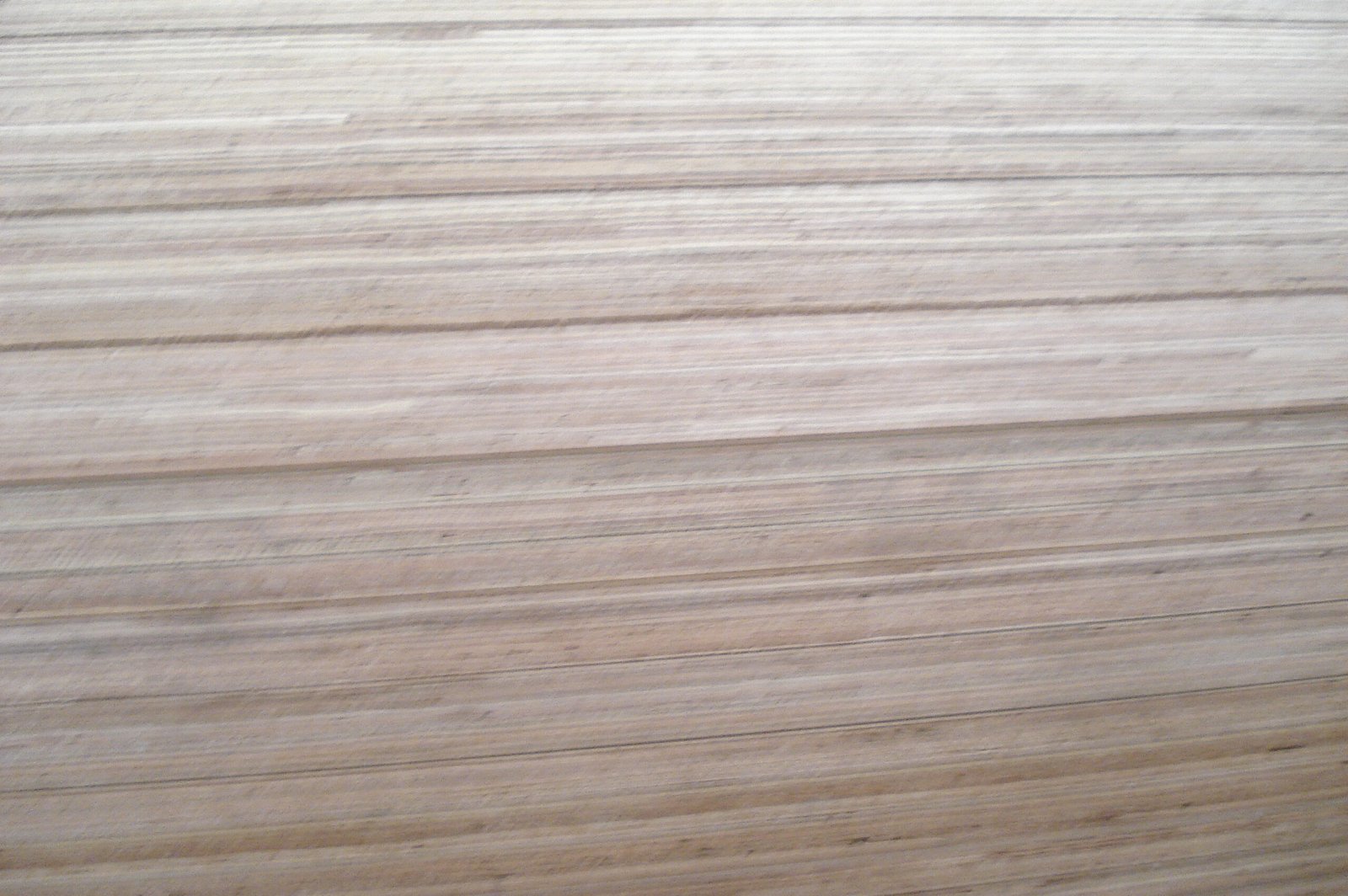
Walnut plywood is a panel with a walnut veneer face on a stable core, giving the warm, dark look of solid walnut at a fraction of the cost and the movement. The panel suits furniture, cabinets, wall paneling, and feature pieces where the rich grain is the point.
The value of walnut plywood comes from the face veneer and the stability of the core. The maker gets the look of a fine hardwood with the flatness and the consistency of a plywood panel, which is why it is a favourite for high-end interiors.
Walnut plywood is a sheet with a walnut veneer on one or both faces, glued to a core of a different species or a utility core. The face veneer carries the colour and the grain, while the core carries the stability and the strength.
The walnut species most used is black walnut, which gives the deep brown colour and the straight or the wavy grain that makes walnut recognisable. The veneer is sliced or peeled from the log, and the best faces come from the straight-grain sections.
The panel is graded by the face quality and by the core. A fine face with a sound core suits a visible project, while a utility face with a lower-grade core suits a hidden part or a painted project.
The face veneer is usually 0.6 to 1.0 mm thick, which is thick enough to sand lightly and to finish, while the core provides the bulk and the stability. A thick face takes a profile and a finish better than a thin one.
The core can be a hardwood core, a softwood core, or a fibre core, and the choice follows the use. A hardwood core takes screws and joins well, while a fibre core is smooth and stable for a painted or a laminated part.
The grade sets the face quality. An A-grade walnut face is smooth and clear, with few patches or repairs. A B-grade face allows small repairs and colour variation, and a lower grade suits a painted or a hidden part.
The veneer cut sets the look. A plain-sliced or a flat-cut veneer shows the cathedral grain that is most associated with walnut. A quarter-sliced veneer shows a straighter, more uniform grain that suits a modern or a formal look.
The buyer matches the grade and the cut to the project, because a fine face with a poor core wastes money, and a fine core with a poor face wastes the effort on the core.
The plain-sliced cut shows the cathedral grain and is the most common walnut face. The quarter-sliced cut shows a straight grain and a more even colour, which suits a modern or a formal design.
The maker chooses the cut by the style, because a plain-sliced face suits a traditional or a warm look, while a quarter-sliced face suits a clean, modern look.
Walnut plywood suits furniture, cabinets, wall paneling, and feature pieces. A walnut table top, a cabinet door, or a wall panel gives a room the warmth of a fine hardwood without the cost of solid timber.
In furniture, walnut plywood builds table tops, cabinet carcasses, and drawer fronts, where the rich face is the visible part. In interiors, it builds wall panels, doors, and shelving, where the grain sets the tone of the room.
The panel also suits commercial interiors, where a warm, high-end look is the goal. A restaurant, an office, or a retail space uses walnut plywood for the tables, the counters, and the paneling.
In furniture, a walnut plywood top on a solid or a plywood base gives the look of solid walnut with the stability of a panel. In cabinets, walnut doors and drawer fronts give a kitchen the warmth of a fine hardwood.
In paneling, walnut plywood covers a wall with a rich, continuous grain that a solid board cannot match. The maker matches the veneer across the panels so the grain flows across the wall.
The finish brings out the colour and protects the surface. A clear finish, such as a lacquer, a varnish, or an oil, deepens the brown colour and shows the grain. The maker chooses the finish by the look and the use.
Walnut darkens with age and with light, so the maker plans the finish to account for the change. A UV-resistant finish slows the change and keeps the colour more even.
Sand the face lightly and clear the dust before finishing, and seal the edges so the moisture does not reach the core. A sealed edge keeps the panel flat and the finish even.
A clear lacquer or a varnish gives a durable, high-sheen finish that protects the face and deepens the colour. An oil gives a softer, more natural finish that is easy to renew.
A stain is rarely needed on walnut, because the natural colour is already rich, but a maker can darken or even out the colour with a stain before the clear coat.
Cut walnut plywood with a sharp blade to avoid chipping the veneer, and use a backing board on the cut edge. A sharp blade and a steady feed leave a clean edge that takes the finish.
Machining walnut plywood is similar to other plywood, but the face veneer is more fragile. A sharp router bit and a light final pass keep the face clean and the profile smooth.
Glue and finish the panel as the maker would any plywood, but take extra care with the face, because a scratched or a dented face is hard to repair. A little care keeps the face sound.
Cut with a fine-tooth blade and a backing board, because the face veneer chips at the exit edge. Machine with a sharp bit and a light final pass, because a dull bit burns and lifts the face.
Glue the joints and seal the edges, because the core and the edge are where the moisture enters. A sealed joint keeps the panel flat and the finish even.
Walnut plywood costs more than a utility plywood, because the face veneer is a fine hardwood and the core is often a quality core. The price reflects the look and the performance, and the buyer weighs it against the project’s needs.
The value comes from the look and the stability. A walnut plywood panel gives the rich look of solid walnut with the flatness and the consistency of a panel, which is worth the price for a visible project.
The buyer compares the grade, the cut, and the core, because a panel with a fine face and a poor core wastes the money spent on the face. The buyer matches the panel to the job.
Budget for the grade and the cut the design needs, because a fine face and a quarter-sliced cut cost more than a utility face and a plain-sliced cut. The buyer matches the budget to the look.
Include the waste and the offcuts, because a walnut panel that nests well still produces scrap, and a small allowance avoids a mid-project shortage.
The right panel depends on the job. Commercial Plywood serves general construction and furniture, while Melamine Plywood suits a painted or a casual build. MDF Board gives a smooth core for a painted or a laminated part, Film Faced Plywood suits a tough shop panel, and Chip Board covers a budget prototype.
Suppliers such as HYY list the grade, the veneer cut, and the core on the contract, so the buyer can order a panel that suits the look and the job.
What is walnut plywood? A panel with a walnut veneer face on a stable core, giving the look of solid walnut with the flatness and the consistency of a plywood panel.
Is walnut plywood expensive? It costs more than a utility plywood because the face veneer is a fine hardwood, but it is cheaper than solid walnut for the same look.
What is the difference between plain-sliced and quarter-sliced walnut? Plain-sliced shows the cathedral grain, while quarter-sliced shows a straighter, more even grain that suits a modern look.
Can you stain walnut plywood? Yes, but the natural colour is already rich, so a stain is usually used to even out or darken the colour rather than to change it.
How do you finish walnut plywood? Sand lightly, clear the dust, seal the edges, and apply a clear lacquer, varnish, or oil, letting each coat dry before the next.