Our Location
5th Floor, Huake Center, Lanshan District, Linyi City, Shandong Province, China

5th Floor, Huake Center, Lanshan District, Linyi City, Shandong Province, China
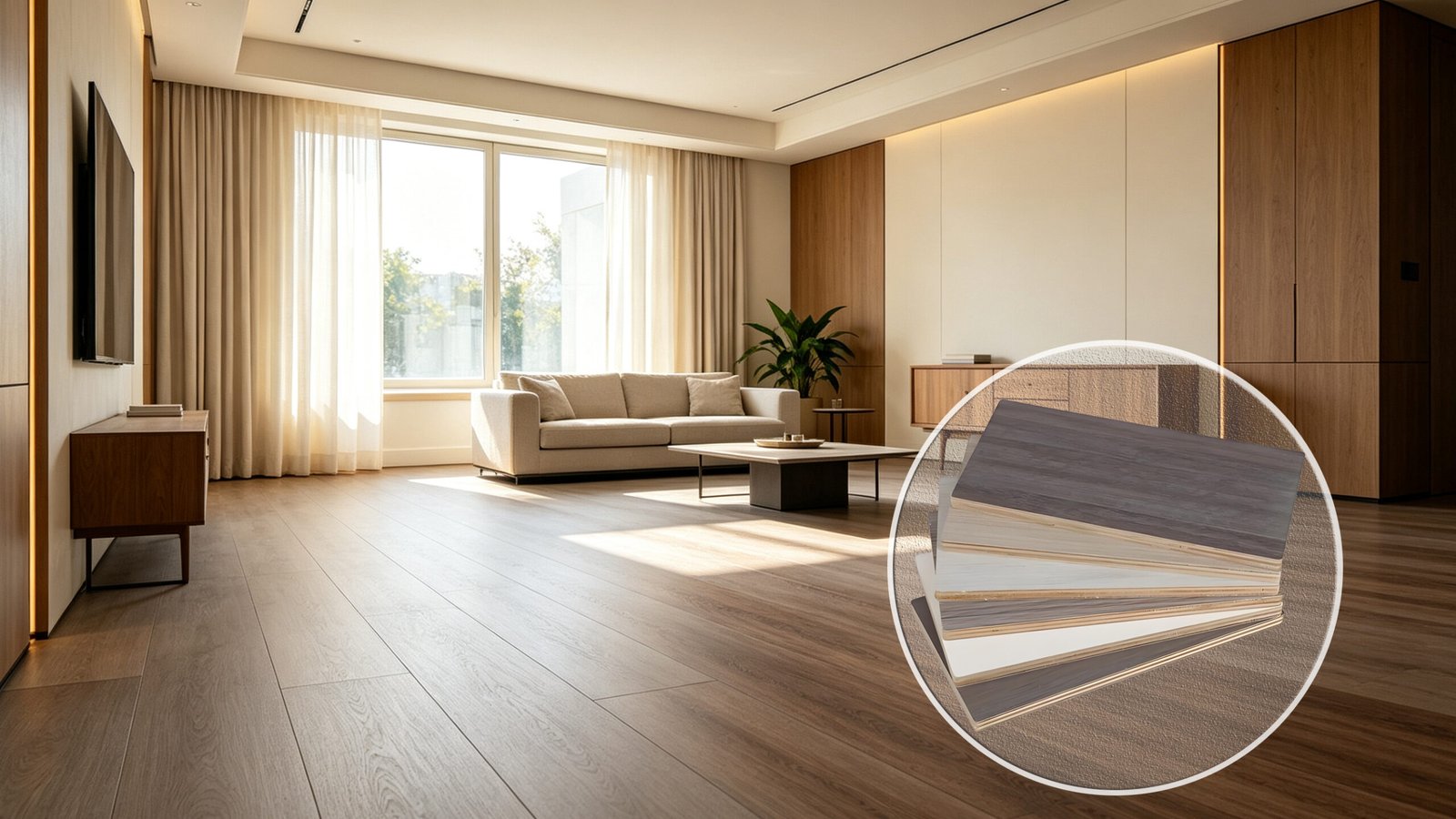
A plywood lounge chair builds a comfortable, stylish seat from flat panels, bent layers, or a mix of both. The plywood gives the chair a warm, modern look, a strength that solid timber of the same thickness cannot match, and a price that suits a home build or a small workshop.
The design succeeds when the seat and the back angles suit the body, the frame carries the load, and the finish protects the panel. A chair that skips any of those three looks good but fails to sit well or to last.
Plywood brings stiffness, stability, and a large flat panel that shapes into a chair frame or a bent shell. The cross-lamination keeps the frame straight and the seat flat, so the chair stays comfortable and true through the seasons.
The panel also takes a clear finish or a paint that matches the room, so the chair fits many styles, from a mid-century modern to a minimalist build. The maker can finish the chair in a day or a weekend, depending on the design.
The price is a big part of the appeal. A plywood lounge chair costs a fraction of a designer chair, and the maker controls the design, the size, and the finish. That control is why a home builder chooses plywood.
Comfort comes from the angles and the curve of the seat and the back. A lounge chair that reclines gently and supports the lower back suits a long sit, while a chair with a steep back suits reading or conversation.
Style comes from the shape and the finish. A bent plywood shell looks modern and sculptural, while a flat-panel frame with cushions looks warm and casual. The maker chooses the style to match the room and the user.
A plywood lounge chair takes a few common forms. A flat-panel frame with a seat and a back panel suits a simple build, a bent-plywood shell suits a modern look, and a slatted frame suits a casual design.
The flat-panel frame cuts from a single sheet or a few sheets, and it assembles with screws and glue. The bent shell laminates thin plywood over a form, then trims and finishes. The slatted frame uses narrow strips for the seat and the back.
Each type shares the same goal: a comfortable seat, a solid frame, and a finished look. The maker chooses the type by the tools, the time, and the style.
The flat-panel frame is the easiest to build, because it needs only a saw, a drill, and a sander. The bent shell is more work, because it needs a form and clamps, but it produces a sculptural result. The slatted frame is a middle ground, with a warm look and a moderate build.
The maker chooses the type by the look and the effort, because a chair that is built well and finished well is a chair that lasts.
The seat and back angles set the comfort. A lounge chair reclines the back to about 100 to 110 degrees and sets the seat at a slight recline, so the body relaxes into the chair rather than perching on it.
The seat height and depth follow the user. A seat about 400 to 450 mm high and 450 to 500 mm deep suits most adults, while a taller or a shorter user needs a different size. The maker measures the user before cutting the panels.
The width of the seat sets the shoulder room, and the armrests set the comfort for the arms. A chair with arms is more relaxing, while a chair without arms is lighter and easier to move.
The angles and the proportions decide the comfort, so the maker draws the chair full size or uses a template before cutting the panels. A small change in the back angle changes the feel of the whole chair.
The proportions also decide the look, because a chair with a low back and a wide seat reads as casual, while a chair with a high back and a narrow seat reads as formal. The maker matches the proportions to the style.
The panel thickness follows the part. A frame or a seat panel uses a thick panel that carries the load, while a bent shell uses thin layers that flex over the form. The maker matches the thickness to the job.
The face grade follows the finish. A clear finish wants a sound, tight face veneer, while a painted finish tolerates a utility face under the coating. The maker chooses the grade by the look.
The bond class follows the exposure. A chair that stays indoors takes an interior or a moisture-resistant bond, while a chair for a covered porch takes an exterior bond with sealed edges.
The thickness of a flat-panel frame is usually 18 mm, which carries the load and takes the finish. A bent shell uses 3 to 6 mm layers that bend over the form and glue into a strong laminate.
The grade and the bond follow the location, because a chair that faces moisture needs a stronger bond and sealed edges. The maker checks the exposure before choosing the panel.
Start with a full-size template or a cut list from the plan, because a chair that is drawn wrong is a chair that sits wrong. Cut the panels square and consistent, then dry-fit the frame before glue and screws.
Assemble the frame with glue and screws, and add a stretcher or a brace under the seat to keep the frame square. A rigid frame keeps the chair solid and quiet under load.
Shape the seat and the back to the plan, then sand the surfaces and the edges before the finish. A smooth surface takes the finish evenly and feels good under the hand.
Cut the panels with a saw that leaves a clean edge, and sand the edges smooth. A clean cut takes the finish and looks finished, while a ragged edge shows through a clear coat.
Assemble the frame with glue and screws, and check it for square and for twist. A frame that starts square stays square under load, and a frame that starts twisted fights every part that follows.
The finish protects the panel and sets the look. A clear oil or a varnish shows the grain and gives a warm, natural look, while a paint gives a bold, modern look. The maker chooses the finish by the style and the use.
Apply the finish in thin coats, letting each dry, and sand lightly between coats. A smooth, even finish protects the panel and feels good under the hand.
Seal the edges and the underside as well as the top, because moisture enters from every face. A sealed edge keeps the panel flat and the chair sound.
An oil or a wax gives a soft, natural finish that is easy to renew, while a varnish gives a harder, more durable finish that resists knocks. A paint gives a uniform colour that matches the room.
The maker chooses the finish by the use, because a chair that gets heavy use needs a durable finish, while a display chair can take a softer one.
The first mistake is a chair that is drawn wrong. A chair that sits wrong is a chair that fails, so the maker draws the chair full size or tests the angles on a prototype.
The second mistake is a frame that is too light. A chair that flexes and squeaks is a chair that feels cheap, so the maker adds a stretcher or a brace to keep the frame rigid.
The third mistake is an unfinished edge. A raw plywood edge drinks moisture and swells, so every edge needs a band, a solid edge, or a sealer.
A plywood chair that has worn or chipped can be sanded and refinished, because the face veneer takes a light sand and a fresh coat. A deep chip or a swollen edge needs a repair before the finish.
Regular maintenance extends the chair’s life, because a finish that is renewed before it fails protects the panel and keeps the chair looking good.
The right panel depends on the build. Commercial Plywood gives a flat, stable frame for a flat-panel chair, while Melamine Plywood suits a painted or a casual chair. MDF Board machines a smooth surface for a painted chair, Film Faced Plywood suits a tough shop chair, and Chip Board covers a budget prototype.
Suppliers such as HYY list the thickness and the face grade on the contract, so the buyer can order a panel that carries the frame and takes the finish.
What plywood is best for a lounge chair? A stable panel with a sound face for the frame and a thin flexible panel for a bent shell, matched to the thickness the design needs.
Can you build a lounge chair from plywood? Yes, with flat panels or bent layers over a form, and a frame that carries the load. The design and the finish decide the comfort and the look.
How do you make a bent plywood chair? Laminate thin plywood layers over a form, glue them together, clamp until they cure, then trim and finish the shell.
How thick should plywood be for a chair? A flat-panel frame usually uses 18 mm, while a bent shell uses 3 to 6 mm layers that bend over the form.
How do you finish a plywood chair? Sand the surfaces and edges, seal the core, and apply an oil, a varnish, or a paint in thin coats, letting each dry.