Our Location
5th Floor, Huake Center, Lanshan District, Linyi City, Shandong Province, China

5th Floor, Huake Center, Lanshan District, Linyi City, Shandong Province, China
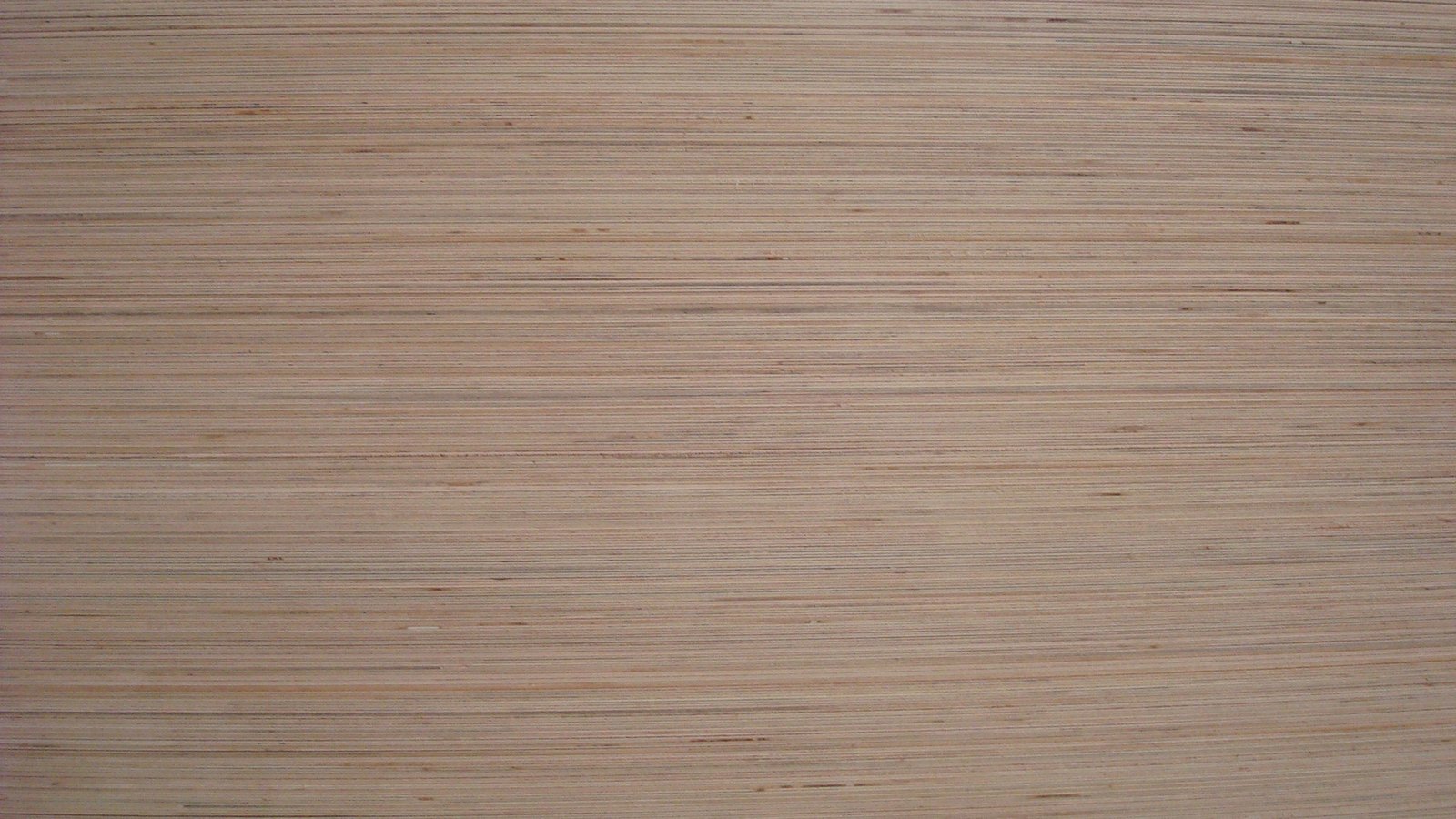
Plywood what is it? Plywood is an engineered wood panel made from thin veneer layers glued together with the grain of each layer running at right angles to the next. This cross-lamination gives plywood its strength, stability, and resistance to warping, which is why it serves everything from concrete formwork to fine furniture.
Understanding plywood means knowing how it is made, what the grades and bonds mean, and which panel suits which job. The construction, not the name on the label, decides how the panel performs.
Plywood is built from veneers, which are thin slices of wood peeled or sliced from a log. The veneers are dried, graded, and glued in layers with the grain alternating direction, then pressed under heat and pressure into a panel.
The alternating grain is the key. Each layer resists the shrinkage and the swelling of the one next to it, so the panel stays flat and stable across changes in humidity. This is the property that sets plywood apart from solid wood.
The number of layers sets the thickness and the strength. A three-ply panel is thin and flexible, while a multi-ply panel is thick and rigid for structural use.
The veneers come from hardwood or softwood species, and the face veneer sets the appearance. The glue bonds the layers, and the press cures the bond under heat and pressure.
A panel with a strong bond and void-free veneers performs well, while a panel with gaps or a weak bond delaminates and fails.
The process starts with the log, which is peeled or sliced into veneers. The veneers are dried to a set moisture content, graded for quality, and cut to size.
The layers are assembled with the grain alternating, coated with glue, and pressed. The press applies heat and pressure to cure the bond, and the panel is then trimmed, sanded, and graded.
The result is a panel that is flat, stable, and strong in two directions, which is the behaviour that makes plywood useful across so many trades.
Peeling rotates the log against a blade to produce a continuous veneer, which is fast and efficient. Slicing cuts the veneer in sheets, which gives a more decorative face for fine panels.
The press cures the glue and sets the panel’s flatness, and the quality of the press cycle affects the bond and the stability.
The grade sets the face quality. An A-grade face is smooth and paintable, a B-grade face allows small repairs, and a C or a D grade suits a structural or a hidden face.
The bond class sets the moisture resistance. An interior bond suits dry use, a moisture-resistant bond suits humid conditions, and an exterior or a WBP bond suits outdoor and wet use.
The buyer matches the grade and the bond to the job, because a panel with the wrong bond fails at the first exposure to moisture.
The face grade is a letter from A to D, with A the finest. The bond class is a description of the glue’s resistance, from interior to exterior.
A panel with an A-grade face and an exterior bond suits a visible outdoor project, while a C-grade face with an interior bond suits a hidden structural part.
Plywood serves construction, furniture, packaging, and transport. In construction, it forms walls, floors, roofs, and formwork. In furniture, it builds cabinets, tables, and shelving.
The panel’s flatness and strength make it a staple of concrete formwork, where a reusable face saves time and money. In furniture, its stability keeps the pieces square and the doors aligned.
The range of grades and bonds means a plywood panel exists for nearly every job, from a disposable concrete form to a fine cabinet.
Construction uses plywood for sheathing, subfloors, roofing, and formwork, where the panel carries load and resists the weather. Furniture uses it for carcasses, doors, and tops, where the stability and the finish matter.
Industry uses plywood for packaging, crates, and transport panels, where the strength and the light weight protect the contents.
Plywood comes in several types by use. Structural plywood carries loads in construction, marine plywood resists water in boats, and film-faced plywood suits formwork.
Decorative plywood has a fine face veneer for visible work, and flexible plywood bends for curved shapes. Each type serves a specific need.
The buyer chooses the type by the exposure and the load, because a panel that suits one job may fail in another.
Structural plywood is graded for strength and stiffness in building frames and bracing. Marine plywood uses a waterproof bond and void-free veneers for boats and wet areas.
Decorative plywood has a fine face for furniture and interiors, and flexible plywood bends for curved work.
Start with the exposure. A panel that stays dry takes an interior bond, while a panel that faces moisture takes a moisture-resistant or an exterior bond.
Then match the grade to the finish. A visible face takes a fine grade, and a hidden face takes a structural grade. The thickness follows the span and the load.
Finally, check the panel for flatness, voids, and a clean edge, because a sound panel performs well and a damaged one fails early.
Inspect the face for voids, patches, and delamination, and check the edges for a consistent thickness and a clean cut. A warped or a swollen panel signals moisture damage.
Ask for the grade and the bond class in writing, and confirm the thickness with a gauge, because a documented spec gives the buyer confidence.
The right panel depends on the job. Commercial Plywood serves general construction and furniture, while Film Faced Plywood suits formwork and wet areas. Melamine Plywood gives a wipe-clean face, MDF Board suits painted interiors, and Chip Board covers budget dry builds.
Suppliers such as HYY list the grade, bond class, and thickness on the contract, so the buyer can order a panel that suits the job and the exposure.
Plywood has a long history, from the ancient Egyptians who glued thin wood layers to the modern engineered panel. The industrial process developed in the nineteenth century, and the modern panel is the result of a century of refinement.
The development of waterproof adhesives in the twentieth century expanded plywood’s use to outdoor and marine applications, and the modern panel is a product of both the material and the glue.
Today, plywood is a global product, manufactured in every region and used in every construction market, which is why the panel is a staple of building and furniture worldwide.
Modern construction uses plywood for cross-laminated timber, structural insulated panels, and engineered wood products that build tall and fast. The panel’s stability and strength make it a core material in these systems.
The development of new adhesives and new species continues to expand plywood’s use, and the modern panel is lighter, stronger, and more durable than its predecessors.
The future of plywood lies in engineered products that combine the panel’s stability with new materials and new manufacturing techniques, which will extend its use in construction and furniture.
Identifying plywood is easy once the maker knows the signs. The layered edge shows the construction, and the face veneer shows the species and the grade. A panel with a smooth, uniform face and a layered edge is plywood.
The weight and the stiffness also identify plywood, because the cross-lamination gives a stiffness that a solid board of the same thickness does not have. A panel that feels light for its stiffness is likely plywood.
The maker identifies plywood by the edge, the face, and the behaviour, and the identification helps the choice of the right panel for the job.
Plywood is a renewable material, because the veneer comes from a log that grows back. The efficient use of the log in veneer form means less waste than solid timber, and the panel makes the most of the resource.
The sustainability of plywood depends on the source of the wood and the glue, and the buyer who chooses a panel from a sustainable source and a low-emission glue supports the environment.
The future of plywood lies in sustainable sourcing and low-emission adhesives, and the buyer who values these properties supports the industry’s progress.
What is plywood made of? Thin veneer layers glued with the grain alternating direction, which gives the panel its strength and stability.
Why is plywood strong? The cross-lamination resists shrinkage and swelling in two directions, so the panel stays flat and carries load in both directions.
What is the difference between plywood and solid wood? Plywood is engineered and stable across the grain, while solid wood is natural and moves with the humidity.
What do plywood grades mean? The face grade sets the surface quality from A to D, and the bond class sets the moisture resistance from interior to exterior.
What is plywood used for? Construction, furniture, formwork, packaging, and transport, wherever a flat, stable, strong panel is needed.