Our Location
5th Floor, Huake Center, Lanshan District, Linyi City, Shandong Province, China

5th Floor, Huake Center, Lanshan District, Linyi City, Shandong Province, China
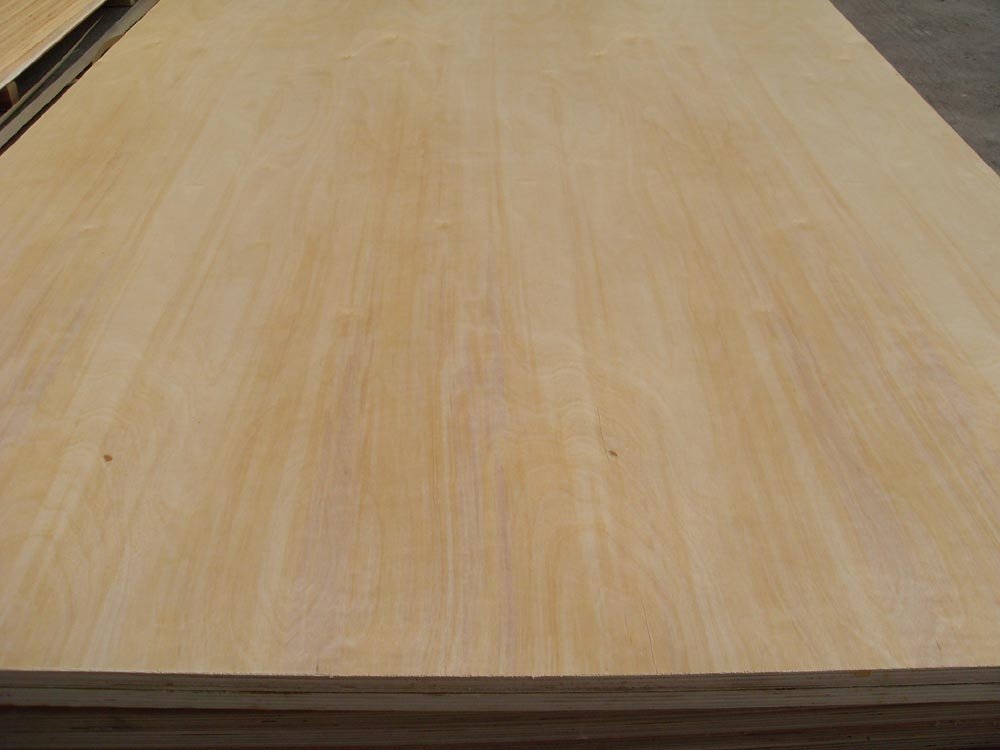
A plywood puller is a hand tool that grips the edge of a heavy panel so one person can lift, carry, and position it without straining the back or the fingers. Full sheets are awkward rather than purely heavy, and a puller or a lifter turns that awkward load into a controlled one.
The tool suits anyone who handles sheets alone, from a shop maker to a site carpenter, and choosing the right puller, using it well, and knowing its limits keeps a routine lift from turning into an injury.
The puller grips the panel edge and spreads the load across the hand and the arm, so the operator lifts with the legs rather than the fingertips. It gives the hand a handle where the panel offers only a thin, sharp edge.
A puller also improves control. A gripped sheet stays square in the hand, so the operator can steer it through a doorway or onto a bench without the panel slipping or swinging.
The tool is small and cheap, but it changes a two-person job into a one-person job for many tasks. That saving in labour and strain is why shops and sites keep a puller near the sheet stack.
A full plywood sheet is large, flat, and thin, so it catches the wind, flexes, and offers no easy grip. The operator cannot set it down quickly, and the edge cuts into the fingers if the panel is carried by hand.
The awkwardness, not the weight alone, is what causes most handling injuries. A puller removes that awkwardness by giving the hand a secure hold at the panel’s centre of balance.
Several tools cover the job. A simple edge puller is a hooked handle that clamps the panel edge, a panel lifter is a lever-and-foot tool that raises a sheet off a stack, and a suction lifter uses vacuum cups to hold a large panel flat.
A carry handle clamps onto the sheet for two-handed carrying, while a panel dolly or a wheeled frame rolls a heavy sheet across a floor. Each tool suits a different stage: lifting, carrying, or positioning.
The right choice depends on the weight and the task. A light sheet takes a simple edge puller, a heavy sheet takes a lifter and a dolly, and a large, smooth panel takes a suction lifter for a firm grip.
An edge puller is the simplest and most portable option. It clamps the panel edge with a spring or a screw grip and gives the operator a solid handle to lift and steer.
A panel lifter raises the sheet off the stack so the fingers can reach under it. A suction lifter sticks to the face of a large panel and lets the operator hold it flat, which suits a smooth, sealed surface.
Most pullers grip the edge of the panel with a clamp or a jaw. The jaw closes on the veneer and the core, so it must hold firmly without crushing or splitting the edge, which is why a jaw with a broad face holds better than a thin one.
A suction lifter grips differently. A rubber cup presses onto the face, a pump draws the air out, and the vacuum holds the panel flat. The grip depends on a smooth, clean, sealed surface, so a dusty or a porous face defeats it.
Either way, the grip must match the panel. An edge grip suits any plywood, while a vacuum grip suits a smooth, non-porous face with no dust and no deep texture.
An edge clamp can mark a soft edge or split a thin panel if it is over-tightened. Setting the jaw to hold without crushing is part of using the tool well, and a test lift on a scrap panel shows the right setting.
A vacuum cup loses grip on a rough, dusty, or porous face and on a cold or a damp surface. Cleaning the face and checking the seal before a lift keeps the panel from dropping mid-carry.
Start with the panel on a stable stack at a comfortable height, and grip the edge near the balance point. Bend the knees, keep the back straight, and lift with the legs, letting the puller carry the load rather than the fingers.
Carry the panel on edge where possible, with a hand at each point of balance, so the sheet does not flex or catch the wind. For a long carry, use a dolly or a frame rather than a hand grip.
Set the panel down onto supports, never onto a single point that could bow it. Lower it under control with the knees and the arms, and keep the fingers clear of the landing edge.
A puller makes many one-person lifts possible, but a full sheet over a long distance still suits two people or a dolly. Knowing when to call for help is part of safe handling.
A two-person lift shares the load and keeps the panel level, while a dolly removes the carry altogether. The best technique is often the one that avoids the lift rather than the one that performs it.
Match the tool to the panel and the volume of work. A shop that moves sheets daily benefits from a lifter and a dolly, while a maker who moves one sheet a week does fine with a simple edge puller.
Check the rated load against the heaviest sheet the shop handles. A puller that is rated below the load is dangerous, so the buyer matches the rating to the real weight with margin.
Consider the grip type and the panel face. A smooth, sealed panel suits a suction lifter, while a rough or a coated panel suits an edge clamp. A tool that grips the wrong surface fails at the worst moment.
The rating on a lifter or a cup is the safe working load, and the buyer should treat it as a limit, not a target. Leaving margin above the sheet weight allows for the dynamic load of a lift and a carry.
The reach and the handle length matter too, because a short handle forces the operator to bend. A tool that keeps the hand at a comfortable height protects the back and makes the lift repeatable.
A puller needs little care, but it needs checking. Inspect the jaw and the cup for wear, the handle for cracks, and the mechanism for a firm grip, and retire any tool that has lost its hold.
Keep a vacuum cup clean, because dust and oil break the seal and cause a sudden release. Wipe the cup and the panel face before each lift so the grip stays reliable.
Respect the limits of the tool. A puller assists a lift, it does not turn an unsafe load into a safe one, so the operator keeps the load within the rating and the lift within the body’s own limit.
A jaw that has rounded or a cup that has hardened will not grip as it once did, and a handle that flexes warns of a crack inside. Replacing a tired tool costs little and removes a real risk.
A puller that has been dropped from height or crushed should be checked before it is used again. The cost of a new tool is far less than the cost of a dropped sheet.
The panel’s weight and surface set the handling tool. Commercial Plywood gives a consistent, manageable sheet for a shop lift, while Film Faced Plywood has a smooth, sealed face that suits a suction lifter. Melamine Plywood grips well on its finished face, MDF Board offers a dense, smooth panel that a cup holds, and Chip Board covers the budget tier where a lighter sheet still needs care.
Suppliers such as HYY list the thickness and the weight on the contract, so the buyer can match the handling tool to the sheet and lift every panel within a safe rating.
What is a plywood puller used for? It grips a panel edge so one person can lift, carry, and position a heavy sheet with control and less strain on the back and the fingers.
How do you lift plywood by yourself? Use a puller or a lifter near the balance point, bend the knees, lift with the legs, carry the panel on edge, and use a dolly for a long carry.
Can one person carry a 4×8 plywood sheet? With a puller and a dolly, yes for many short moves, but a full sheet over a distance is safer with two people or a wheeled frame.
What is the best tool for moving plywood sheets? A panel lifter raises the sheet, a puller or carry handle grips it, and a dolly rolls it, so the best setup uses the right tool for each stage.
Are suction lifters good for plywood? On a smooth, clean, sealed face a suction lifter grips well, but on a rough, dusty, or porous panel an edge clamp holds more reliably.