Our Location
5th Floor, Huake Center, Lanshan District, Linyi City, Shandong Province, China

5th Floor, Huake Center, Lanshan District, Linyi City, Shandong Province, China
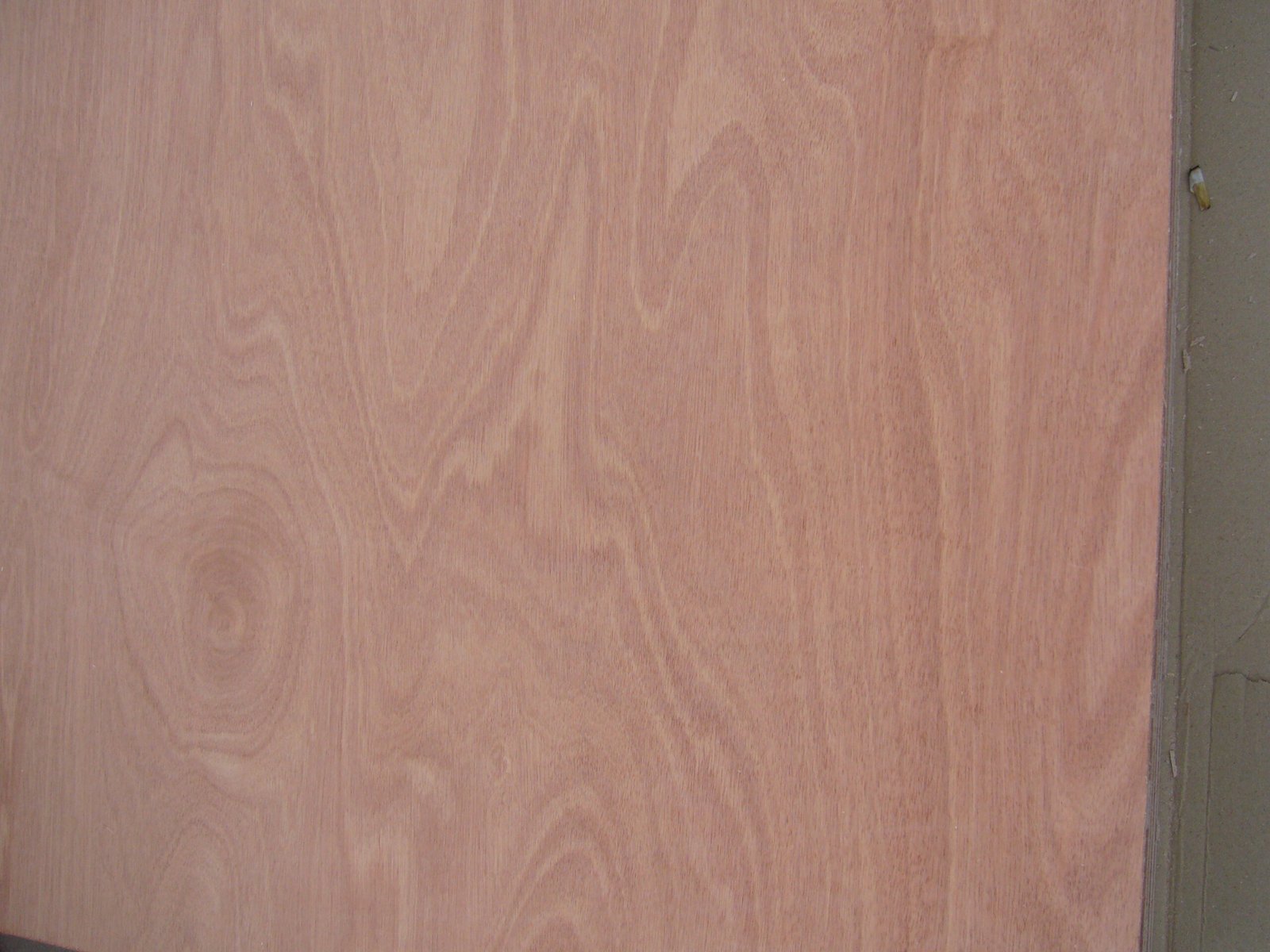
Plywood laminate describes a panel built in two stages: a layered plywood core for strength and stability, then a bonded surface laminate that handles wear, moisture, and cleaning that raw veneer cannot. The face layer does the working, while the core does the carrying.
Buyers reach for laminate-faced sheets in cabinets, counters, and display joinery where the finished surface has to stay presentable under daily use, and the right laminate grade decides how long that surface stays flat and clean.
The laminate face is a factory-bonded resin-impregnated overlay pressed onto the plywood surface under heat and pressure. The overlay can be a decorative paper saturated with melamine resin, a phenolic film for formwork duty, or a high-pressure laminate sheet glued onto the panel.
The bond matters more than the decorative face. A properly pressed laminate becomes part of the panel, resists peeling at the edges, and survives the humidity swings that lift a field-applied sticker. The manufacturing process controls heat, pressure, and dwell time so the face and the core cure as one unit.
Cheap laminate panels fail at the edges first, where the overlay lifts and moisture slips between the face and the core. The edge treatment, banding or sealing, protects that weakest line and extends the service life of the whole sheet.
Decorative melamine overlays carry wood grain or solid color patterns and serve furniture and cabinetry, while phenolic film faces serve concrete formwork and wet construction. Both are plywood laminate products, but the face chemistry changes the moisture tolerance and the working life.
Specifiers separate the two at the quotation stage because the material cost and the performance target differ. A cabinet face needs abrasion resistance and cleanability, while a form face needs release from wet concrete and dozens of reuse cycles.
The core under the laminate carries the screw holding, the flatness, and the long-term stability, so the core choice belongs in the same spec line as the face.
| Core construction | Best for | Limit to watch |
|---|---|---|
| Plywood core | Cabinets, doors, shelving with screws | Edge banding needed on exposed cuts |
| MDF core | Painted and routed door panels | Moisture exposure shortens life |
| Combination core | Countertops and work surfaces | Core voids under heavy point loads |
Plywood cores give the fastener bites in real wood layers, which suits hinges, drawer slides, and hardware cycles. MDF cores machine cleanly for routed profiles but swell where water stands unsealed. Buyers match the core to the hardware schedule and the moisture plan, not to habit.
A laminate core has to stay flat because the overlay follows every dip and crown in the panel. Rest the sheet on a straight edge and check for gaps, then confirm the storage history on the delivery note. A bowed core telegraphs through a thin laminate face and never presses flat in service.
The laminate premium pays back on surfaces that need constant cleaning, occasional moisture, and a finish that never gets painted on site. Kitchen cabinet doors, bathroom vanities, retail counters, and commercial joinery all make the premium worth the sheet.
On those jobs the laminate removes the finishing labor. The builder mounts the panel, bands the edges, and walks away while the face already carries its factory finish. Compared to site-applied paint or oil, the laminate surface resists stains and wipes clean without recoating.
The price also returns on durability. A well-bonded laminate face outlasts several paint refresh cycles, and the panel keeps its clean appearance in commercial traffic where exposed veneer would scratch and mark. The lifecycle cost beats the cheaper sheet on the busiest surfaces.
Structural and hidden work stays on plain plywood. Where the surface never shows, framing, subfloors, crates, and concrete formwork without a finish requirement, the laminate adds cost without capturing the value. The buyer pays for the face only when the face gets seen and used.
A light-traffic bedroom wardrobe tolerates a thin decorative overlay, while a commercial reception counter needs a high-pressure laminate that shrugs off keys, coins, and cleaning chemicals. The traffic level selects the face grade, and the wrong grade shows wear marks within a season.
Ask the supplier for the abrasion and impact figures on the face, not just the color code. That single line separates a bench that survives the front desk from a panel that dulls in a month.
Specify the laminate sheet with four lines: core construction, face material, bond class, and edge treatment. The core name tells the strength, the face name carries the finish, the bond class sets the moisture limit, and the edge plan closes the panel’s weakest line.
Ordering repeats those same lines so the delivered sheet matches the drawing. The supplier quotes the size, the thickness, and the face grade, and the arrival inspection checks the laminate bond at the corners, where lifting starts, before the panel goes into production.
Cutting a laminate sheet needs a blade with enough teeth and a score on the face to avoid chipping. Sharp carbide tooling and proper feed direction keep the decorative face clean, and factory banding or applied edge tape protects the cut edge from the moisture that lifts a loose overlay.
The bond class tells the buyer how much moisture the panel tolerates before the glue line fails. An interior bond suits dry furniture, a moisture-resistant bond covers humid kitchens and bathrooms, and a WBP or exterior bond carries the wet and outdoor duty. The laminate face does not change the bond class, so the two specs travel together on the order.
Matching the bond to the room prevents the most common laminate failure, where a decorative face survives while the core swells and the panel delaminates behind it. A kitchen cabinet door in a steamy room needs both the wipe-clean face and the moisture-tolerant core, and the label lists each one.
The range covers both sides of the laminate decision. Commercial Plywood provides a clean, stable core for painted and stained joinery, while Melamine Plywood arrives pre-faced with a wipe-clean surface for cabinet doors and shelving. On the film side, Film Faced Plywood carries the phenolic overlay for concrete formwork, and MDF Board machines routed door panels where a flat paint-grade face is the priority. Chip Board serves the budget furniture tiers where the surface gets laminated off-site.
Suppliers such as HYY list the core construction, the face material, and the bond class on the contract, so buyers can confirm the laminate matches the furniture duty before the container loads. Selecting the right sheet keeps the laminate investment on the visible, busy surfaces and the economical cores underneath.
Laminate faces need little daily care, but the edges and the joints carry the load. Wipe with a damp cloth and mild detergent, avoid abrasive pads that dull the decorative layer, and keep standing water off seams where the overlay meets the edge band.
Small chips appear where heavy objects strike the surface, and the honest repair is a fill matched to the laminate color followed by a protective guard in high-traffic zones. When the face delaminates along an edge, the panel has reached its service end, and replacing the sheet beats field repairs that never hold.
Storage matters at the start of life. Keep laminate sheets flat, covered, and off damp floors so the panels arrive at the site with flat faces and intact bonds.
What is plywood laminate? It is a plywood core bonded to a factory-applied decorative or phenolic surface layer, giving the panel the strength of layered veneer and the durable, cleanable face of a laminate.
Is laminate plywood waterproof? The plywood core can carry an exterior or WBP bond, but the laminate only tolerates occasional moisture on the face. Sealed edges and interior service keep the panel dry best.
Can you paint a plywood laminate surface? Decorative laminate faces are not designed for paint; the glossy resin surface rejects coatings. For a painted panel, choose a raw plywood or MDF face and paint that instead.
Is melamine plywood the same as laminate plywood? Melamine plywood is one laminate type where the overlay is a melamine resin-impregnated decorative paper. The family is plywood laminate, and melamine is the most common furniture-grade face.
How thick is laminate plywood? The common range matches structural plywood, from 6 mm to 25 mm, with the laminate adding a thin fraction of the total thickness. The core carries the dimensions.