Our Location
5th Floor, Huake Center, Lanshan District, Linyi City, Shandong Province, China

5th Floor, Huake Center, Lanshan District, Linyi City, Shandong Province, China
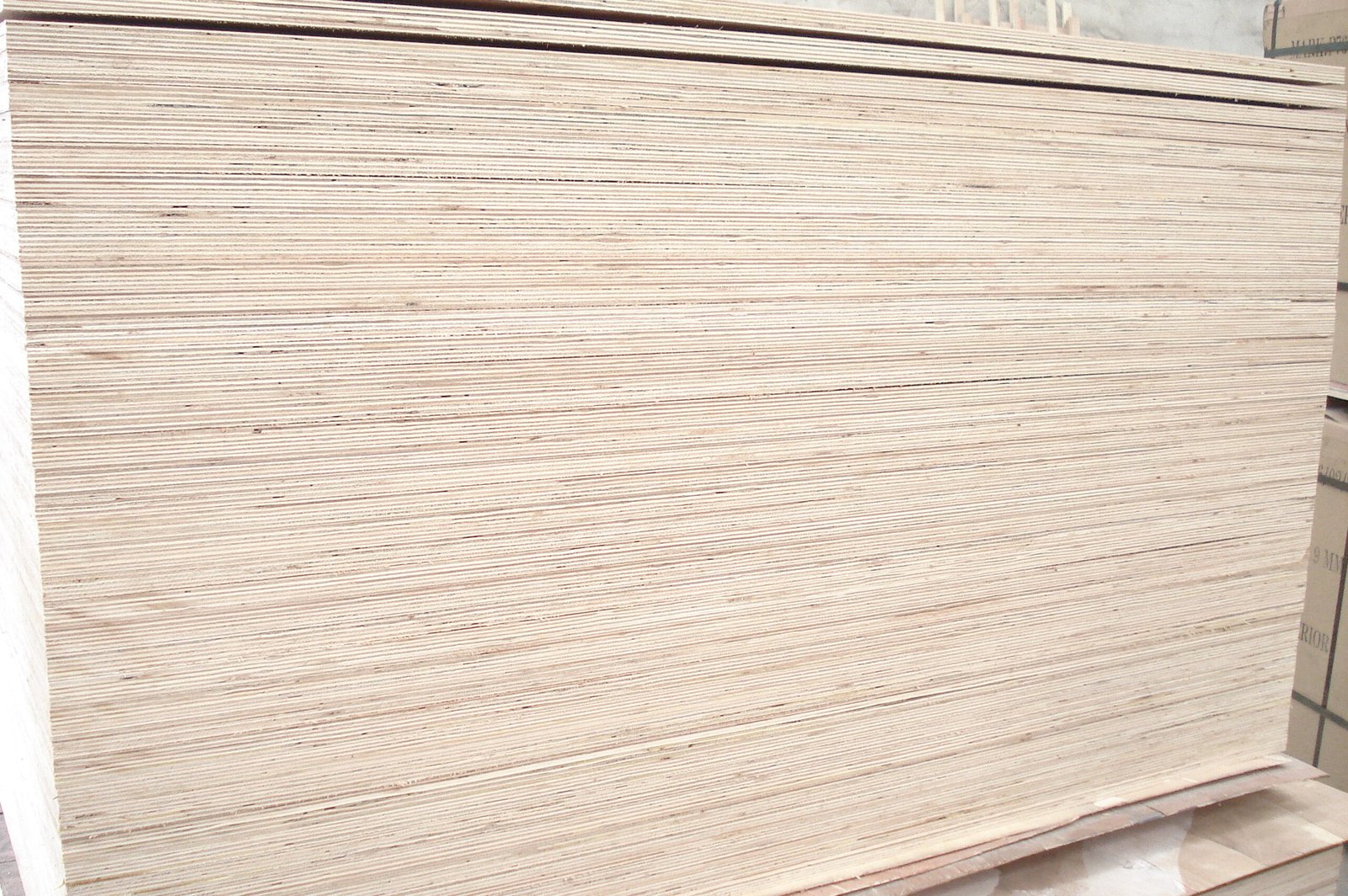
Plywood in Home Depot covers the range of panels, grades, and sizes that the big-box store stocks for the homeowner, the contractor, and the maker. The selection varies by location, but the core range includes the standard construction and DIY grades that cover most jobs.
Knowing what Home Depot stocks, how to read the labels, and what to check before buying helps the buyer leave with the right panel instead of a surprise at the checkout or the job site.
Home Depot stocks plywood across several categories: construction sheathing for walls and roofing, CDX and utility grades for general work, and sanded or finish grades for visible panels. The selection varies by store, but the standard sizes and thicknesses cover most needs.
The big-box store also carries treated plywood for outdoor use, MDF and particleboard panels, and a range of hardboard and specialty panels. The buyer who knows the category can find the right panel quickly.
Special orders are available for grades or sizes the store does not stock, which helps the buyer who needs a specific panel for a specific job.
Construction plywood covers sheathing, subfloors, and general framing, where the strength matters more than the face. Sanded plywood covers furniture and cabinet work, where a clean face is the goal. Specialty panels cover treated, marine, and fire-rated uses.
Each category has a place, and the buyer matches the panel to the job before browsing the aisle.
Read the label on the panel, not the sign above the stack. The label gives the grade, the bond class, the thickness, and the mill origin, which together describe what the panel is and what it suits.
The grade letters set the face quality, with the first letter for the front face and the second for the back. A CDX panel has a C-grade front and a D-grade back with an exterior bond, which is the standard for sheathing.
The thickness on the label is the nominal thickness, and the buyer checks it with a gauge because a panel that is thinner than labelled will not carry the load the spec assumes.
The grade stamp on the edge or the back of the panel gives the species, the grade, the bond class, and the mill number. The stamp is the reliable guide, because the label on the shelf can be wrong or missing.
The buyer who reads the stamp knows exactly what the panel is, which avoids the surprise of a panel that fails on the job.
Home Depot stocks the standard 1220 by 2440 mm sheet in thicknesses from 6 mm to 25 mm, covering most construction and furniture needs. Half sheets and quarter sheets are available for smaller jobs and easier transport.
Special sizes and thicknesses are available through the special order desk, which helps the buyer who needs a non-standard panel for a specific build.
The buyer checks the store’s stock before visiting, because the selection varies by location and by the time of year.
The standard sheet fits most construction and furniture layouts, and it keeps the waste low when the design uses the full sheet. Half and quarter sheets suit small jobs and tight vehicles.
Special orders take time, so the buyer who needs a non-standard panel plans the order ahead of the job.
Plywood prices at Home Depot reflect the grade, the thickness, and the species. A construction CDX panel costs less than a sanded finish panel, and the price follows the quality.
The value comes from the panel’s life on the job. A cheap panel that fails early costs more than a quality panel that lasts, so the buyer weighs the cost against the duty.
Comparing the price per sheet across the grades and the thicknesses helps the buyer find the panel that suits the job and the budget.
The cost per sheet is the obvious number, but the cost per use matters more for a panel that faces a demanding job. A construction panel that reuses many times in formwork costs less per use than a cheap panel that fails after one pour.
The buyer calculates the cost per use when the panel faces a heavy or a repeated duty.
Check the face for voids, patches, and delamination. A sound face takes the finish and holds the fasteners, while a patched or a delaminated face fails early.
Check the edges for a consistent thickness and a clean cut. A warped or a swollen edge signals moisture damage or poor storage.
Check the flatness by sighting across the panel. A flat panel performs well, while a warped panel shows every twist once it is fixed.
Lift the panel and sight across the face and the edge, because a warp or a twist is hard to fix once the panel is on the job. A flat, sound panel is the one that performs.
The buyer who inspects the panel before buying avoids the panel that fails on site and saves the trip back to the store.
Bring a tape and a vehicle that fits the panel, because a full sheet needs a roof rack or a truck bed. The store can cut a sheet to size for transport, which helps the buyer with a small car.
Ask the staff about the stock and the special orders, because the staff knows what the store has and what can be sourced. A quick question saves a wasted trip.
Buy a little extra for waste and offcuts, because a panel that nests well still produces scrap, and a small allowance avoids a mid-job shortage.
Transport the panel flat or on edge with support, because a sheet that flexes on the road warps and stays warped. A flat transport keeps the panel sound.
Handle the panel with care on site, because a knocked corner or a swollen edge ruins the face and the edge that the job needs.
The right panel depends on the job. Commercial Plywood serves general construction and furniture, while Film Faced Plywood suits formwork and wet areas. Melamine Plywood gives a wipe-clean face, MDF Board suits painted interiors, and Chip Board covers budget dry builds.
Suppliers such as HYY list the grade, bond class, and thickness on the contract, so the buyer can order a panel that suits the job and the exposure.
The first mistake is buying the wrong grade for the job. A construction panel used for a visible face shows the grain and the patches, while a finish panel used for sheathing wastes money. The buyer matches the grade to the use.
The second mistake is not checking the thickness with a gauge. A panel that is thinner than labelled will not carry the load the spec assumes, and the buyer who checks avoids the failure.
The third mistake is not inspecting the panel before buying. A warped or a delaminated panel fails on the job, and the buyer who inspects catches it before the checkout.
Home Depot offers convenience, a broad stock, and a consistent brand. A specialist timber supplier offers a wider range of grades, custom sizes, and expert advice. The buyer chooses the supplier that suits the job.
For a standard construction or DIY panel, Home Depot is a practical choice. For a special grade, a marine panel, or a large custom order, a specialist supplier may serve better.
The buyer compares the stock, the price, and the service, because the right supplier for one job may not be the right supplier for another.
What plywood does Home Depot sell? A range of construction, sanded, and specialty panels in standard sizes and thicknesses, with special orders available for other grades.
How much does plywood cost at Home Depot? The price follows the grade, thickness, and species, with construction panels costing less than finish grades.
Can I get plywood cut at Home Depot? Yes, the store can cut a sheet to size for transport, which helps with a small car or a tight space.
What is the difference between CDX and sanded plywood? CDX has a construction face and an exterior bond for sheathing, while sanded plywood has a smooth face for furniture and visible work.
Is Home Depot plywood good quality? The quality follows the grade, and the buyer who checks the grade stamp and inspects the panel gets a panel that suits the job.