Our Location
5th Floor, Huake Center, Lanshan District, Linyi City, Shandong Province, China

5th Floor, Huake Center, Lanshan District, Linyi City, Shandong Province, China
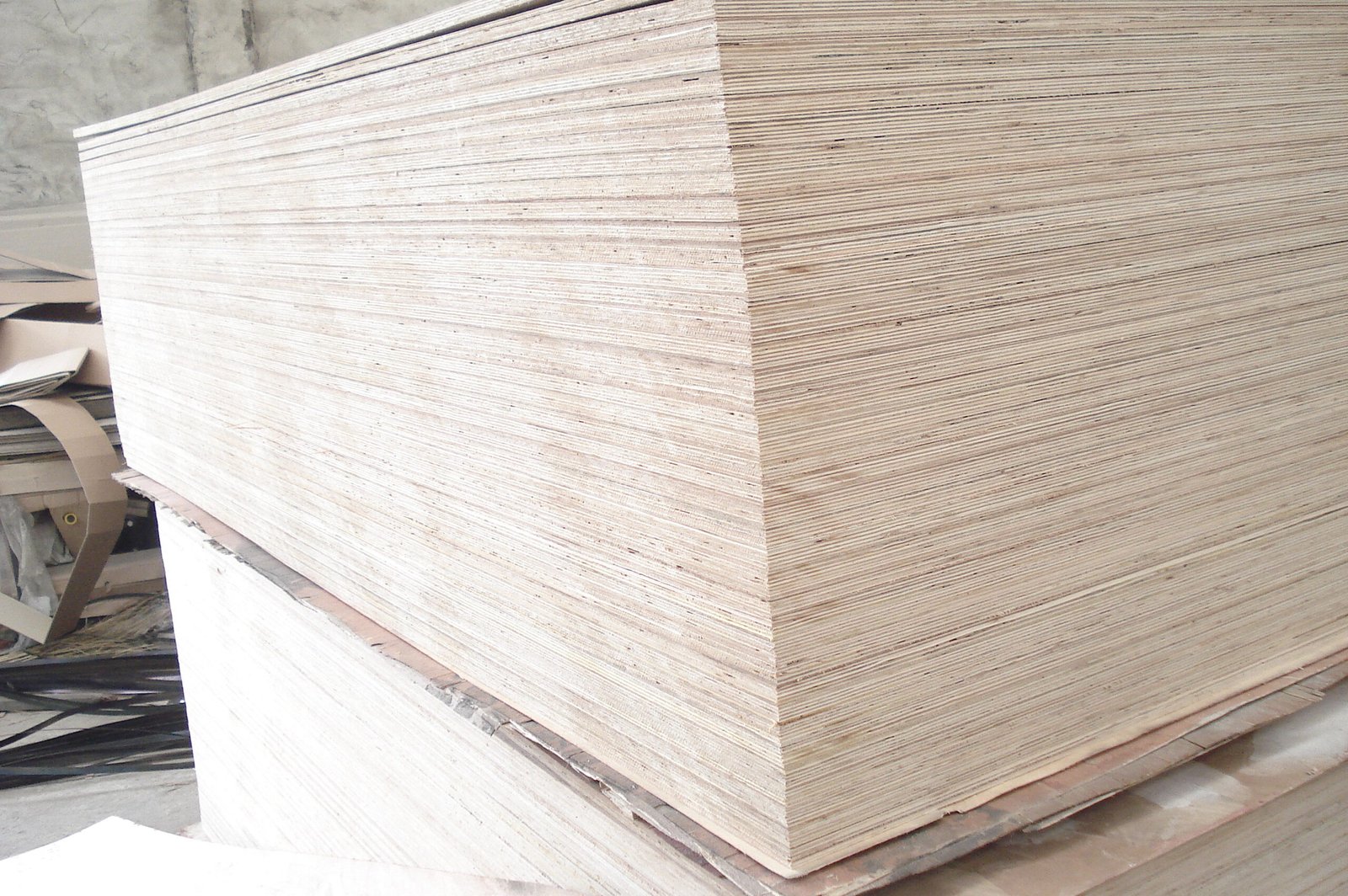
Plywood in Spanish is most often called contrachapado or chapa de madera contrachapada, and the term varies by country and by region. Knowing the right word and the trade terms helps the buyer ask for the right panel and avoid a misunderstanding at the supplier.
The construction and the furniture trades across Spanish-speaking markets use plywood widely, and the names for the grades, the sizes, and the bonds travel with the material. A buyer who knows the terms buys with confidence.
The standard Spanish term for plywood is contrachapado, which literally means counter-glued or cross-glued, referring to the alternating grain of the veneers. Another common term is chapa de madera contrachapada, which means veneer board counter-glued.
In some regions, the word triply or triplay is used, especially in Central America and Mexico, where the term comes from the English ply. The buyer who hears triplay knows it is the same material.
The term varies by country, so the buyer confirms the local word with the supplier before ordering, because a wrong word can mean the wrong panel.
Contrachapado is the most common term in Spain and in much of South America. Triplay is common in Mexico and Central America. Chapa de madera refers to a veneer or a thin board, and the full term specifies the construction.
The buyer learns the local term before visiting the supplier, because the same panel can have two or three names in one market.
The grade names translate directly or carry local terms. A construction grade may be called grado de construcción, and a finish grade may be called grado de acabado. The buyer matches the term to the quality.
The bond class translates as unión exterior for an exterior bond and unión interior for an interior bond. A moisture-resistant bond carries the term resistente a la humedad, which tells the buyer the panel suits damp conditions.
The thickness and the size use the metric system in most Spanish-speaking markets, so the buyer specifies the thickness in millimeters and the sheet size in millimeters or in feet where the market uses them.
The grade stamp on the panel is often in the language of the mill, so the buyer who knows the Spanish terms reads the stamp and confirms the panel. A panel with a clear stamp and documented specs is the one to buy.
The buyer asks for the grado, the unión, and the espesor in Spanish, and the supplier provides the panel that matches.
The construction terms travel with the material. A sheet is a plancha or a lámina, a panel is a panel, and a board is a tabla. The buyer uses the right term for the right part of the job.
A subfloor is a subsuelo or un contrapiso, a wall sheathing is a revestimiento de pared, and a formwork panel is un encofrado. The buyer who knows the terms communicates clearly on site.
The fastener terms follow the trade: a tornillo is a screw, a clavo is a nail, and a perno is a bolt. The buyer asks for the right fastener for the panel and the job.
The plancha is the full sheet, the lámina is a thin sheet, and the panel is the general term. The tabla is a solid board, which is different from the contrachapado, so the buyer distinguishes the two.
The clear terms help the supplier deliver the right panel, and the buyer who uses them avoids the confusion between a solid board and a plywood panel.
The standard sheet size in most Spanish-speaking markets is 1220 by 2440 mm, matching the international standard. Some markets also use the 4 by 8 foot sheet, which is close in size and often interchangeable.
The thickness ranges from thin panels for lining to thick panels for structural use, and the buyer specifies the thickness in millimeters. A 18 mm panel is a common thickness for construction and furniture.
The market in each country has its own suppliers and its own stock, so the buyer checks the local supplier for the grades and sizes available.
The 1220 by 2440 sheet fits most construction and furniture layouts, and it keeps the waste low when the design uses the full sheet. The buyer designs around the standard size to save material.
Local variations exist, so the buyer confirms the sheet size with the supplier before designing, because a panel that is a few millimeters smaller can change the layout.
The buyer asks for the contrachapado with the grade, the bond, and the thickness specified. A clear request in the local language gets the right panel and avoids the confusion that costs time and material.
The supplier documents the grade and the bond on the invoice, which gives the buyer a record of the panel’s specification. A documented order is the one the buyer can trust.
The buyer inspects the panel on delivery, checking the face, the edges, and the flatness, because a panel that fails on site is far more expensive than the inspection that catches it.
The buyer specifies the quantity, the grade, and the delivery date, and confirms the order with the supplier before the panel arrives. A clear order avoids the wrong panel or the wrong quantity.
The inspection on delivery checks the face for voids and delamination, the edges for swelling, and the flatness, because a sound panel performs and a damaged one fails.
The right panel depends on the job. Commercial Plywood serves general construction and furniture, while Film Faced Plywood suits formwork and wet areas. Melamine Plywood gives a wipe-clean face, MDF Board suits painted interiors, and Chip Board covers budget dry builds.
Suppliers such as HYY list the grade, bond class, and thickness on the contract, so the buyer can order a panel that suits the job and the exposure, wherever the market.
The terms for plywood vary across Spanish-speaking countries, and the buyer who travels or sources from multiple markets learns the local word. A panel that is contrachapado in Spain may be triplay in Mexico, and the buyer confirms the term with the supplier.
The grades also carry local names, and the buyer who knows the local term asks for the right panel. A grado de construcción in one country may be a grado estructural in another, and the buyer checks the specification.
The sizes also vary, because some markets use millimeters and others use feet. The buyer confirms the units with the supplier, because a panel that is a few millimeters smaller can change the layout.
The first mistake is assuming the term is the same everywhere. A word that works in one country may not work in another, and the buyer who confirms the local term avoids the wrong panel.
The second mistake is not specifying the grade and the bond in writing. A verbal order can be misheard, and a written specification ensures the right panel arrives.
The third mistake is not inspecting the panel on delivery. A panel that arrives warped or delaminated is a panel that fails, and the buyer who inspects catches it before it reaches the job.
The buyer who sources plywood in a Spanish-speaking market learns the local terms and builds a relationship with a supplier who documents the specifications. A clear order in the local language avoids the confusion that costs time and material.
The supplier who provides the grade, the bond, and the thickness in writing gives the buyer a record to check on delivery. A documented order is the one the buyer can trust.
The buyer also learns the local standards and regulations, because the rules for construction plywood vary by country. A panel that meets the local standard suits the local job.
The buyer who sources across markets compares the grades, the sizes, and the prices, because a panel that is cheap in one market may be expensive in another. A broad search finds the best value.
The buyer also compares the certifications, because a panel that is certified in one market may not be certified in another. A certified panel suits a project that needs the documentation.
The buyer builds a network of suppliers across markets, because a supplier who is reliable in one market can recommend a supplier in another. A network of trusted sources saves time and reduces risk.
How do you say plywood in Spanish? Contrachapado is the most common term, and triplay is used in Mexico and Central America.
What is the difference between chapa and contrachapado? Chapa refers to a veneer or a thin board, while contrachapado specifies the cross-glued plywood construction.
What size is a standard plywood sheet in Spanish-speaking markets? The 1220 by 2440 mm sheet is the standard, with some markets also using the 4 by 8 foot sheet.
How do you specify plywood grade in Spanish? Use grado for grade, unión for bond class, and espesor for thickness, and ask for the grado de construcción or grado de acabado.
Is plywood the same in all Spanish-speaking markets? The material is the same, but the terms vary by country, so the buyer confirms the local word with the supplier.