Our Location
5th Floor, Huake Center, Lanshan District, Linyi City, Shandong Province, China

5th Floor, Huake Center, Lanshan District, Linyi City, Shandong Province, China
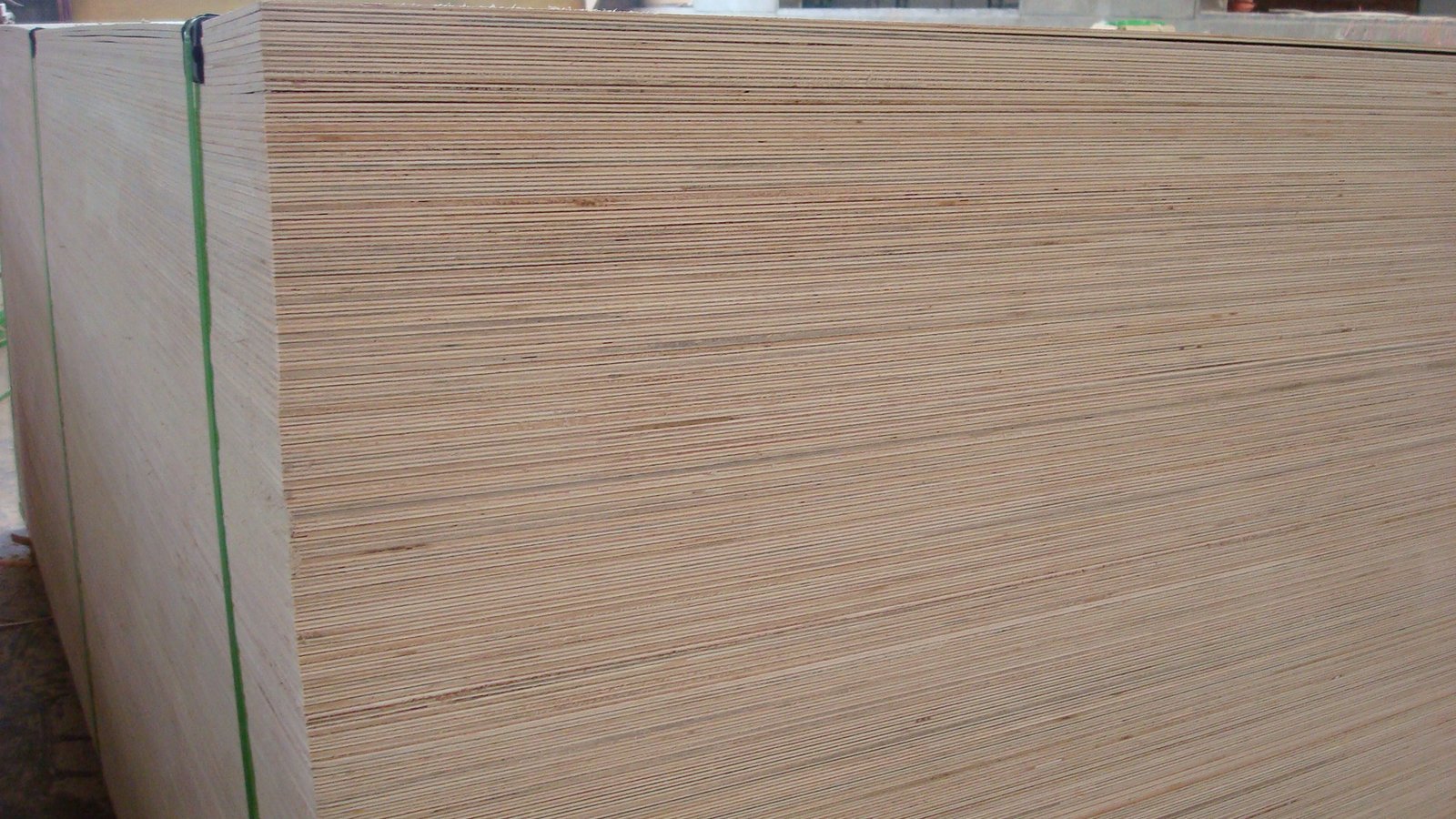
Plywood Qatar is a market that serves construction, furniture, and formwork across a region that values durability in heat and humidity. The grades, sizes, and suppliers available shape what a buyer gets, and knowing the local market helps the right panel reach the job.
Qatar’s climate and building standards favour panels that resist moisture and hold their bond, so the buyer checks the grade, the thickness, and the supplier’s stock before ordering.
Plywood in Qatar covers concrete formwork, furniture, cabinetry, and interior fit-outs. The hot, humid climate pushes buyers toward moisture-resistant and exterior-bonded panels that hold their shape.
Formwork plywood is a major use, where a tough, reusable face stands up to concrete and the elements. Furniture and cabinetry use the smoother grades that take paint and laminate.
The market also serves temporary structures and event builds, where a panel that installs fast and finishes clean is worth the price.
Construction drives much of the plywood demand in Qatar, from formwork to wall sheathing and roofing. The scale of building means bulk orders and a focus on consistent quality across large quantities.
Fit-out work for offices, retail, and hospitality uses plywood for partitions, ceilings, and decorative panels, where a clean face and reliable supply matter.
The grade sets the quality. A film-faced or a phenolic-coated panel suits formwork, while a commercial or a decorative grade suits furniture and interiors. The buyer matches the grade to the exposure.
Thickness follows the duty. Formwork uses thicker panels that carry the concrete load, while furniture uses thinner panels that shape and finish easily.
The bond class matters in the climate. An exterior or a WBP bond holds the layers together in the humidity, while an interior bond fails sooner in the damp.
Film-faced plywood carries a phenolic or a melamine coating that resists water and concrete, so it dominates formwork. Commercial plywood serves general construction and furniture, and decorative grades serve visible interiors.
Each grade has a place, and the buyer who matches the grade to the job avoids both waste and failure.
Standard sheet sizes dominate the market, with 1220 by 2440 mm the most common. Larger or custom sizes are available from some suppliers, but the standard sheet keeps the cost down.
Thickness ranges from thin panels for lining to thick panels for structural formwork. The buyer orders the thickness that matches the span and the load.
Stock varies by supplier, so a buyer with a large or a recurring order confirms availability before committing to a schedule.
The standard 1220 by 2440 sheet fits most construction and furniture layouts, and it keeps the waste low when the design uses the full sheet. Custom sizes suit specific formwork or fit-out needs.
A supplier with a broad stock reduces lead time, which matters on a fast construction schedule.
Check the face for voids, patches, and delamination. A sound face takes the finish and holds the fasteners, while a patched or a delaminated face fails early.
Check the edges for a consistent thickness and a clean cut. A warped or a swollen edge signals moisture damage or poor storage.
Ask for the grade and the bond class in writing, and confirm the thickness with a gauge. A supplier who documents the spec gives the buyer confidence in the order.
Inspect a sample sheet from the batch before accepting a large order. Check the flatness, the face quality, and the edge condition, and compare the thickness to the spec.
A supplier who welcomes the inspection is usually a supplier with consistent stock.
Local suppliers and distributors stock the common grades and sizes, and they can source special orders. A buyer with a recurring need builds a relationship with a supplier who delivers on time.
Imported plywood from major manufacturing regions offers a range of grades and prices. The buyer balances cost, quality, and lead time.
For large projects, a direct order from a manufacturer or a large distributor can improve the price and the consistency.
A reliable supplier offers consistent quality, documented specs, and on-time delivery. The buyer checks references and past orders before committing to a large purchase.
Price matters, but a panel that fails on site costs far more than the saving on the order.
Plywood prices in Qatar vary by grade, thickness, and origin. Film-faced and exterior-bonded panels cost more than interior grades, and the price reflects the durability.
The value comes from the panel’s life on the job. A formwork panel that reuses many times costs less per use than a cheap panel that fails after one pour.
The buyer calculates the cost per use, not the cost per sheet, when the panel faces a demanding job.
Budget for the grade the job needs, not the cheapest available. A formwork project that needs a reusable face should budget for a film-faced panel, while an interior fit-out can use a commercial grade.
Include the waste and the offcuts in the budget, because a panel that nests well saves material across the whole job.
The heat and humidity favour panels with a strong bond and a sealed face. Film Faced Plywood suits formwork and exterior use, while Commercial Plywood serves interiors and furniture. Melamine Plywood gives a wipe-clean face for kitchens and cabinets, MDF Board suits painted interiors, and Chip Board covers budget dry builds.
Suppliers such as HYY list the grade, bond class, and thickness on the contract, so the buyer can order a panel that suits Qatar’s climate and the job’s demands.
Store plywood flat and dry, off the ground and under cover, because a panel that sits on damp ground swells at the edges and warps. A covered, ventilated store keeps the panels flat and ready for use.
Handle the panels with care on site, because a knocked corner or a swollen edge ruins the face and the edge that the job needs. A dry, organised store and careful handling keep the panels sound.
Let the panels acclimate to the site before installation, because a panel that moves after it is fixed opens joints and shows gaps. A day of acclimation in the installation space reduces the movement.
Plan the plywood order around the project schedule, because a large formwork or fit-out job needs a steady supply. A supplier who can deliver on time keeps the schedule moving.
Order the grades and sizes the design specifies, and confirm the quantities with a waste allowance, because a panel that nests well still produces offcuts. A small waste allowance avoids a mid-project shortage.
Build a relationship with a supplier who knows the local market and can source special grades or sizes, because a reliable supplier is worth more than a small saving on a single order.
Compare suppliers on quality, price, and lead time, because a supplier who offers a low price but inconsistent quality costs more in the long run. A supplier with documented specs and reliable delivery is worth a small premium.
Check the supplier’s stock before committing to a large order, because a supplier who cannot deliver on time delays the project. A supplier with a broad stock and a reliable supply chain keeps the schedule moving.
Negotiate the price on large or recurring orders, because a supplier who knows the buyer’s volume can offer a better rate. A long-term relationship with a reliable supplier benefits both sides.
The Qatar plywood market continues to grow with the construction sector, and the demand for quality panels increases as the standards rise. The buyer who knows the market and the suppliers gets the best value.
New grades and new products enter the market, and the buyer who stays informed can take advantage of the improvements. A supplier who keeps up with the trends offers the best selection.
The future of plywood in Qatar lies in quality, sustainability, and service, and the buyer who values all three finds the right supplier.
What plywood is best for formwork in Qatar? A film-faced or a phenolic-coated panel with an exterior bond resists concrete and moisture and reuses many times.
What thickness of plywood is used for formwork? The thickness follows the concrete load and the span, with thicker panels for heavy pours and larger forms.
Where can I buy plywood in Qatar? Local suppliers and distributors stock common grades and sizes, and they can source special orders for larger projects.
Is plywood expensive in Qatar? Prices vary by grade and origin. Film-faced and exterior panels cost more but last longer in the climate.
How do I check plywood quality before buying? Inspect the face for voids and delamination, check the edges for swelling, and confirm the thickness and grade with the supplier.