Our Location
5th Floor, Huake Center, Lanshan District, Linyi City, Shandong Province, China

5th Floor, Huake Center, Lanshan District, Linyi City, Shandong Province, China
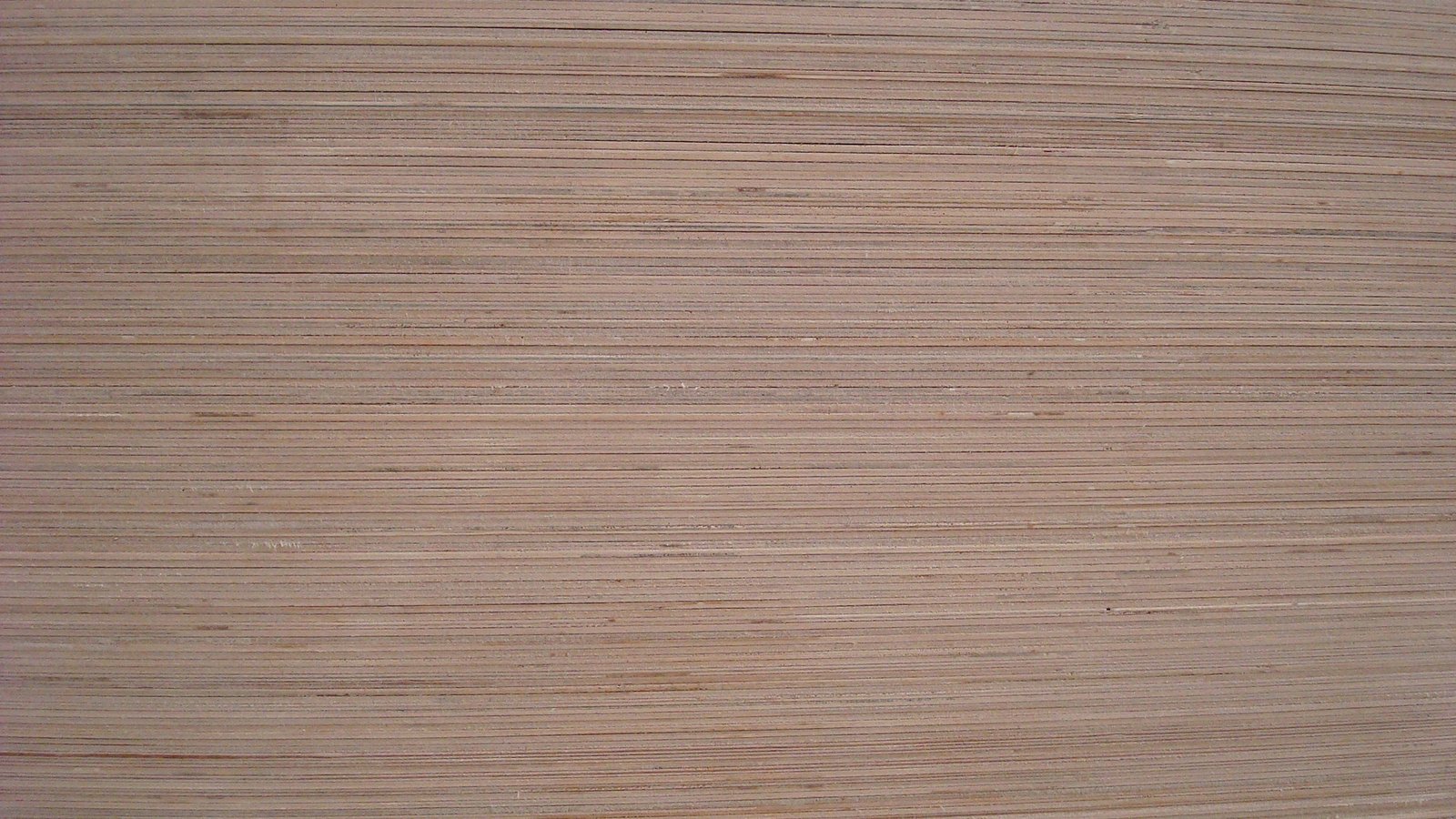
Choosing plywood or MDF means weighing strength, moisture resistance, cost, and the finish the project needs. Both are sheet materials, but their construction gives very different behaviour in the shop and in use, and a careful choice saves time and repair work later.
The right choice follows the load, the exposure to moisture, and how the edge will be finished. A cabinet door that takes paint suits MDF, while a shelving unit that carries weight suits plywood, and many builds use both materials together.
Plywood is made from thin veneer layers glued in alternating grain directions, which gives its cross-laminated strength. MDF is made from wood fibres mixed with resin and pressed into a dense, uniform panel.
The construction sets the properties. Plywood holds screws along the edge, resists splitting, and has a directional grain. MDF is smooth and uniform, machines cleanly, and holds paint without a grain showing.
That difference is the reason the answer to plywood or MDF starts with the job, not the price alone.
Plywood is stronger along the face grain and more resistant to bending across a span. MDF is very dense and flat but less stiff and more likely to sag under heavy, long shelves unless supported.
The cross-lamination in plywood also resists warping better in changing humidity, while MDF swells when it absorbs moisture.
Standard MDF absorbs water quickly and swells at the edges, so it belongs in dry interiors. Moisture-resistant MDF exists, but it still swells more than an exterior-bonded plywood.
An exterior or moisture-resistant plywood keeps its bond in damp conditions, so it suits a bathroom, a kitchen carcass in a damp space, or an outdoor project with proper sealing.
The cut edges tell the story. An MDF edge left raw drinks water and balloons, while a sealed plywood edge resists wicking far better.
For a wet room, plywood or MDF usually points to plywood with sealed edges. For a painted interior cabinet in a dry room, MDF gives a flawless painted face.
Match the panel to the environment, not just the look. A small splash on a sealed panel is fine, but a soaked edge on MDF is not.
MDF machines very cleanly. It routs a smooth profile, takes a crisp bevel, and gives a perfect painted edge with minimal sanding. It does create a lot of fine dust when cut.
Plywood cuts cleanly with a sharp blade but can chip the face veneer, especially on a cross-grain cut. A backing board and a fine-tooth blade reduce tearout.
Fastening favours plywood. Screws hold well in the edge of plywood, while MDF edges strip easily if over-tightened. For MDF, use confirmats, dowels, or glue with mechanical support.
The edge is the deciding factor for paint. MDF’s uniform edge sands to glass smooth and takes paint without a grain. Plywood’s layered edge shows the plies and needs banding or filling to look smooth when painted, and a poorly filled edge always shows through a gloss coat.
For a clear finish, plywood shows its grain and looks like wood. MDF has no grain and looks painted, so clear coats do not show the same natural character and often highlight minor surface flaws if not prepared well.
MDF is usually cheaper per sheet than a comparable plywood, and it is very flat and consistent. Plywood costs more but brings strength and better screw-holding, which often saves hardware and repair work over the life of a build.
Weight varies by thickness. MDF is dense and heavy, which makes large panels harder to lift alone. Plywood is lighter for the same strength in many applications.
The total cost includes waste and labour. A panel that machines faster or needs less edge work can offset a higher price.
For painted built-ins in a dry room, MDF often gives the best value. For structural shelves, carcasses that move, or damp areas, plywood earns its price.
Choose by the duty, then the budget. The cheapest panel that fails early is the most expensive in the end.
Choose plywood when strength, screw-holding, or moisture resistance matters: shelving, subfloors, carcasses in damp spaces, or projects that need a natural wood look.
Choose MDF when a smooth painted finish is the goal and the panel stays dry: cabinet doors, painted built-ins, mouldings, or panels that need a crisp routed profile.
Many shops use both. A plywood carcass with MDF doors gives the strength where needed and the finish where wanted.
A kitchen uses plywood for the box and MDF for the painted doors. A shop cabinet uses plywood for the shelves and MDF for the drawer fronts. The mix matches each part to its duty.
That hybrid approach gets the best of both materials without paying for properties a part does not need.
For strength and moisture resistance, Commercial Plywood covers carcasses, and Film Faced Plywood suits damp areas. For painted finishes, MDF Board is the natural choice, while Melamine Plywood gives a pre-finished wipe-clean face. Chip Board fills budget dry builds.
Suppliers such as HYY list thickness and grade on the contract, so the buyer matches the panel to the job.
In the workshop, plywood builds jigs, fixtures, and workbenches that need a flat, stable surface. MDF suits the jigs that need a smooth, machined face, while plywood suits the benches that take knocks and carry load.
In industry, plywood serves packaging, crates, and transport panels, where the strength and the light weight protect the contents. MDF serves the furniture and the fit-out industries, where the smooth painted face is the goal.
The choice between plywood or MDF in industry follows the same rule as in the shop: match the panel to the load, the exposure, and the finish.
Both plywood and MDF emit formaldehyde from the resin, so the buyer checks the emission class for indoor use. A low-emission panel suits a home or a school, while a standard panel suits a workshop or an industrial setting.
MDF creates fine dust when cut, so the maker uses a mask and a dust extraction. Plywood creates larger chips, which are easier to collect but still need a mask for the fine particles.
Both panels are recyclable as wood waste, and offcuts can be reused or burned in a suitable facility, though the glue in plywood makes it less suitable for burning than solid wood.
The final choice between plywood or MDF comes down to three questions: Will the panel face moisture? Does it need to hold screws in the edge? Does it need a smooth painted face? The answers point to the right panel.
A panel that faces moisture or needs edge strength chooses plywood. A panel that stays dry and needs a smooth painted face chooses MDF. A build that needs both uses plywood for the structure and MDF for the finish.
By asking the three questions before buying, the maker avoids the panel that fails on the job and saves the cost of a replacement.
When a build uses both plywood and MDF, the maker plans the joints so each material works to its strength. A plywood carcass with MDF doors uses the plywood’s screw-holding for the structure and the MDF’s smooth face for the finish.
Cut MDF with a sharp blade and a dust extraction, because the fine dust is a health hazard and a mess. Cut plywood with a fine-tooth blade and a backing board to reduce tearout on the face.
Seal the edges of both materials before finishing, because the exposed core drinks moisture and swells. A sealed edge keeps the panel flat and the finish smooth.
The first mistake is using MDF in a damp area, where it swells and fails. The second is using plywood where a smooth painted face is the goal, which shows the grain and the edge layers. The third is over-tightening screws in MDF, which strips the edge.
By matching the material to the job and the exposure, the maker avoids the failures that cost time and material.
Which is better, plywood or MDF? Neither is better overall. Plywood is stronger and more moisture-resistant; MDF is smoother and cheaper for painted work.
Is MDF stronger than plywood? No. Plywood is stronger in bending and holds screws better in the edge. MDF is denser but sags more under long spans.
Can MDF be used in bathrooms? Only with care and moisture-resistant MDF, and even then plywood with sealed edges is safer for wet areas.
Which is easier to paint? MDF. Its uniform surface and smooth edge take paint with minimal prep and no grain shows.
Which holds screws better? Plywood. MDF edges strip easily under torque, so use dowels, glue, or confirmats.