Our Location
5th Floor, Huake Center, Lanshan District, Linyi City, Shandong Province, China

5th Floor, Huake Center, Lanshan District, Linyi City, Shandong Province, China
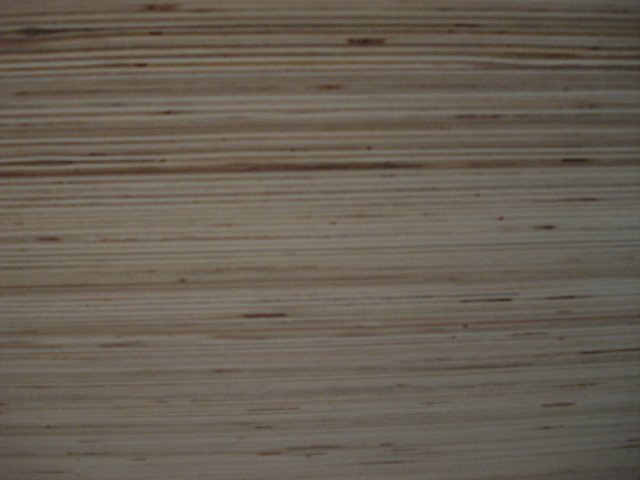
Why is plywood blue? The answer comes down to a treatment, a marking, or a coating applied to the panel, and the colour is a signal rather than a defect. A blue tint can mean the wood is pressure-treated against decay, the edge is marked to show a class or a use, or the face carries a factory coating that happens to be blue.
Reading the colour correctly tells the buyer what the panel is for, so the blue is worth understanding before a sheet becomes a floor, a wall, or a form. The colour rarely changes the strength, but it almost always says something about the intended use.
The most common reason is treatment. A copper-based or a similar preservative soaks into the veneers to protect the panel from rot and insects, and the chemical leaves a greenish-blue tint that deepens with exposure.
The second reason is marking. A mill or a merchant marks an edge or a face with a blue dye or ink to show the grade, the bond class, or a batch, so the panel is easy to identify in a stack.
The third reason is a coating. A film-faced or a formwork panel can carry a coloured film or a paint that is blue by design, which is a finish rather than a treatment and protects the face during use.
Treatment goes into the wood, marking sits on the edge or the face, and a coating covers the whole surface. Each gives a different blue, and each tells the buyer something different about the panel.
Telling them apart is simple. A treated panel is blue through the veneers, a marking is a stripe or a stamp, and a coating is a smooth, uniform layer that lifts off the wood.
A pressure-treated panel is soaked in a preservative under vacuum and pressure, so the chemical reaches the veneers rather than sitting on the surface. The treatment protects the panel from decay and insects in a damp or a ground-contact use.
The blue-green colour comes from the copper in the preservative. Fresh panels look light, and the colour deepens as the copper oxidises in the air, so a weathered treated panel looks darker than a new one.
A treated panel suits a sill, a base, a retaining use, or any place where the wood meets damp ground. The colour is the visible sign that the panel carries that protection.
The preservative guards against fungal decay and termites, which are the two threats that shorten the life of wood in damp ground contact. The treatment reaches the veneers, so the protection follows the panel when it is cut.
A treated panel is not automatically waterproof, and it is not necessarily structural. The colour says the wood is protected, not that the panel suits every load or every bond, so the buyer still checks the grade.
Blue is one of several colours that appear on plywood. A green tint often marks a moisture-resistant panel, a red or a pink edge can mark a fire-rated or a specific grade, and a brown or a tan face is simply the natural species showing.
The colour code is not fully standard across mills, so a buyer should confirm the meaning with the supplier rather than guessing from the tint alone. The mark on the edge or the stamp on the face is the reliable guide.
A coloured face on a film-faced panel is a different matter. There the colour is part of the protective film, chosen for the coating’s durability rather than for a code.
A green-treated panel usually signals a moisture-resistant bond, which suits a damp room or a wall where the panel might see humidity. A red or a pink mark often flags a fire-rated or a specific grade.
A natural tint is no treatment at all, just the veneer species. Where the colour carries a code, the supplier’s stamp or the panel’s grade mark confirms what the tint suggests.
Film-faced and formwork panels often carry a coloured film, and blue is a common choice for that coating. Here the blue is a factory finish that protects the face from concrete, water, and abrasion, and it comes off with the film when the panel retires.
The film colour also identifies a product line. A yard that stocks several formwork panels uses the colour to sort them, so the blue film marks one brand or one specification in the stack.
A blue-film panel is a coated panel, not a treated one. The colour sits on the surface, so cutting the panel exposes the wood beneath and the protection stops at the film edge.
A coating colour wipes off with the film, while a treatment colour runs through the veneers and stays after a cut. A quick cut on a scrap shows which one the panel carries.
The distinction matters at the fixing stage. A coated panel needs the cut edge sealed for moisture, while a treated panel already carries protection into the wood it exposes.
The colour itself does not change the panel’s strength, stiffness, or load capacity. Those come from the thickness, the core, and the bond, which the colour does not measure.
The colour does relate to performance in one way: it signals a treatment or a coating that changes how the panel handles moisture or decay. A blue treatment adds rot resistance, and a blue film adds surface protection, so the colour points to a performance property even if it does not create it.
A buyer should never rely on colour alone. The grade stamp, the bond class, and the thickness on the label are what confirm the panel suits the job, and the colour is only a quick visual cue.
Check the stamp for the grade and the bond class, and check the thickness against the job. The colour helps identify a stack, but the stamp is what the buyer trusts for the specification.
When the colour and the stamp seem to disagree, ask the supplier. A mill’s colour code can differ from another’s, and the stamp is the document that travels with the panel.
Confirm what the blue means before buying, and match the panel to the use. A treated blue panel suits a damp or a ground-contact job, while a blue-film panel suits a formwork or a coated application.
Seal the cut edges of a coated panel, and treat the cuts of a protection panel as the maker would treat any exposed wood. A sealed edge keeps the moisture out where the factory finish stops.
Store the panel flat and dry whatever its colour, because the colour does not change how a panel warps. A blue panel warps and swells just like a plain one when it sits on damp ground.
Look for the grade stamp and the treatment mark on a treated panel, and keep the label with the stack. The stamp is what proves the treatment when the panel is later cut and used.
Handle a treated panel with gloves, since the preservative can irritate the skin, and wash up after handling. A little care keeps the maker safe around the chemical the colour signals.
The right panel depends on the job and the treatment behind the colour. Film Faced Plywood often carries a coloured coating that protects the face, while Commercial Plywood gives a plain, untreated surface where no colour code applies. Melamine Plywood finishes with its own decorative face, MDF Board offers a uniform panel for a painted or a coated finish, and Chip Board covers the budget tier with a natural, uncoloured face.
Suppliers such as HYY list the grade, the treatment, and the bond class on the contract, so the buyer can confirm what a colour means and order the panel that suits the job.
Why is plywood green or blue? A blue or green tint usually signals a pressure treatment that protects the wood from rot and insects, or a coloured coating on a film-faced panel.
Does blue plywood mean it is treated? Often, yes, when the blue runs through the veneers. A blue film or a blue mark means a coating or an identification mark instead.
Is blue plywood waterproof? Treatment resists decay but does not make a panel waterproof. A waterproof job needs the right bond class and sealed edges.
Can you paint blue treated plywood? Yes, once the panel is dry. Seal the cut edges and use a primer that suits treated wood before the top coats.
What does the colour on plywood edges mean? It usually identifies the grade, the bond class, or the treatment, so the buyer should confirm the code with the supplier’s stamp.