Our Location
5th Floor, Huake Center, Lanshan District, Linyi City, Shandong Province, China

5th Floor, Huake Center, Lanshan District, Linyi City, Shandong Province, China
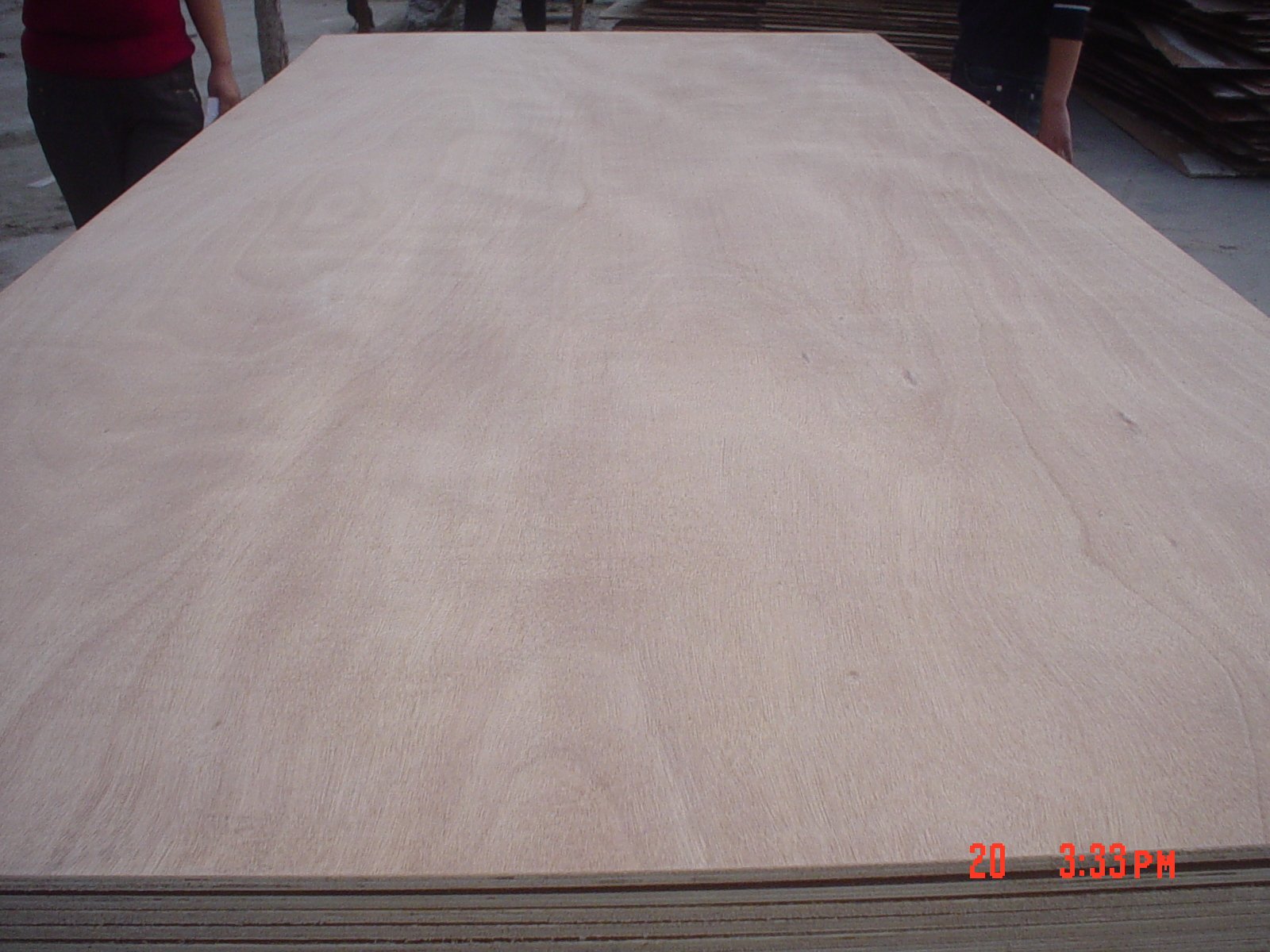
The plywood r value names the panel’s resistance to heat flow, and it answers a practical question: how much warmth does this sheet keep on one side of a wall, floor, or roof. R-values come from the material’s thickness and its physical density, so the number climbs as the panel gets thicker.
Understanding that baseline matters because plywood is a structural sheathing material, not a thermal insulation, and the R-value appears in building assemblies where the numbers get added up and compared.
R-value rates how well a material resists conducted heat. It measures in thermal resistance per unit of thickness, so a thicker panel of the same material carries a higher total number.
The calculation follows a simple relationship: multiply the material’s R-value per inch by the panel thickness. A sheet with an R-value of roughly 1.25 per inch at three quarters of an inch thickness lands near 0.94, and a half inch panel lands near 0.62.
Softwoods and hardwoods resist conducted heat a little differently because density changes the speed of energy transfer, but the differences stay modest across ordinary sheet goods. The construction of the panel, plies, glue, and core, moves the number less than the thickness alone.
Plywood sits low on the thermal resistance ladder because the material is dense and conducts heat reasonably well. Fiberglass batts at R-19 and rigid foam at R-5 or more per inch crush the panel on paper, so builders never use sheathing as primary insulation. The panel does the structure, while the cavity insulation does the thermal work.
Buyers and engineers quote panel R-values in round terms because the exact numbers vary with density and moisture content. The common figures below give the working range for design conversations.
| Nominal thickness | Actual thickness | Approximate R-value |
|---|---|---|
| 1/4 inch (6 mm) | 0.25 in | 0.31 |
| 3/8 inch (9 mm) | 0.38 in | 0.47 |
| 1/2 inch (12 mm) | 0.50 in | 0.62 |
| 5/8 inch (15 mm) | 0.63 in | 0.78 |
| 3/4 inch (18 mm) | 0.75 in | 0.94 |
The numbers assume dry, standard-condition panels. Wet or high-moisture panels conduct more heat, so the effective R-value drops when the sheathing absorbs water. That is one more reason the moisture barrier and the vapor plan matter in the assembly.
When suppliers publish exact R-values, they state the density and the moisture content of the tested panel. Hold the data sheet next to the assembly drawing, and the thermal line lands inside the whole-wall calculation.
Sheathing R-values matter most in whole-assembly energy calculations rather than standalone thermal performance. Adding the panel number to the code-compliant cavity insulation produces the total R for the wall or roof section.
Manufactured housing, cold storage rooms, and refrigerated trailers treat the panel as part of a layered thermal budget. The panel’s R-value enters the stack-up, and the sum tells the designer whether the assembly meets the target.
Underlayment and subfloor numbers read the same way. A subfloor panel adds a small R-value under the finish floor, but the carpet, pad, or floating layer does most of the insulating work in that assembly.
Structural sheathing carries wind loads and fasteners while contributing its modest thermal value. The design keeps the frame, the insulation, and the sheathing in their lanes, and the panel R-value just closes the math on the assembly rather than carrying the thermal load.
Placing panel numbers beside insulation numbers clarifies the division of labor and prevents ordering the wrong material.
| Material | R-value per inch | Role in the assembly |
|---|---|---|
| Plywood sheathing | 1.2 to 1.3 | Structure, sheathing, fastener base |
| Fiberglass batt | 3.2 to 3.8 | Cavity thermal insulation |
| Mineral wool | 3.0 to 3.3 | Cavity thermal and acoustic insulation |
| Rigid foam board | 4.0 to 6.5 | Continuous exterior insulation |
| Spray foam | 5.6 to 6.5 | Air-sealed cavity insulation |
A sheathed wall hits its thermal target through the cavity insulation, with the plywood contributing a small share of the total. Rigid foam on the exterior adds continuous insulation while the panel inside provides the racking strength and fastener surface.
Consequently, the decision between thicker plywood and more foam follows the job: thicken the panel for shear strength, add foam for insulation. The two buys answer different questions.
Specifiers need three facts from the data sheet before they trust a published R-value.
Suppliers such as HYY publish density, moisture range, and structural ratings on the shipment spec, so the thermal number enters the drawing with the same confidence as the span rating.
For interior applications where insulation is not the goal, buyers focus on flatness, face grade, and fastener hold instead of chasing R-value. The thermal number simply confirms the panel performs as expected in the envelope.
Furniture, cabinetry, concrete formwork, and interior millwork specify panels for structure and appearance rather than heat resistance. The R-value stays on the data sheet but drops out of the decision. Reading the number keeps the whole-assembly math honest without distracting the furniture order.
The assembly sums the panel R-value with the cavity insulation and the external rigid foam to produce the total wall resistance. Keep the layers and the arithmetic explicit.
Thermal bridges at the studs and the joints shave the ideal numbers, so the installed assembly rarely reaches the theoretical sum. Designers factor in those real-world losses instead of holding the panel to a laboratory figure.
Commercial Plywood carries the structural side of that envelope, Melamine Plywood finishes interior panels, and MDF Board machines the trim that details the interior. Each panel earns its place in the assembly without pretending to be insulation.
The R-value framing helps buyers compare any sheet product on the same scale, and the differences point to the material’s real role. An 18 mm plywood sheet adds roughly 0.94 to the assembly, while an 18 mm sheet of particle board or MDF adds a similar low figure because both materials fall in the same density band. The surprise comes from the structural side: the plywood panel contributes shear strength and fastener holding that the fiber panels cannot match at the same thickness.
So the thermal comparison never decides the buy on its own. Buyers who read panel R-values as the tiebreaker find the numbers too close to matter, and the load rating and the bond class do the separating. The R-value earns a permanent place on the data sheet, but the drawing language stays structural before it gets thermal.
One more detail keeps the math honest: the published R-value assumes still air on one side and still air on the other. Vented assemblies and wind-washed cavities change the surface films, so real panels measure slightly differently than the published figure. Design margins absorb that difference, and experienced specifiers quote the panel value plus a weather allowance rather than chasing precision that the field cannot deliver.
Keep the panel dry in storage as well, because a stack that takes on moisture before installation starts its service life at a lower R-value than the data sheet assumes. Covering the stack and letting it acclimatize to the site conditions keeps the thermal number and the dimensional stability close to the published spec, which protects both the insulation math and the fit of the sheets.
What is the R-value of 3/4 inch plywood? A nominal three quarter inch panel rates near 0.94, based on roughly 1.25 per inch for dry softwood plywood, so it contributes little thermal work to the wall.
Is plywood a good insulator? No, plywood is a structural sheathing material with low thermal resistance, so builders use it for structure while cavity insulation handles the heat flow.
Does thicker plywood have a higher R-value? Yes, R-value scales with thickness because the total number multiplies the per-inch value by the panel depth, though the gain stays small in absolute terms.
Is plywood or drywall better insulated? They perform similarly, with both materials contributing low R-values, so neither one stands in for real cavity insulation in a framed wall.
How does moisture affect plywood R-value? Wet panels conduct more heat, lowering the effective R-value, which reinforces the need for a moisture barrier in the assembly.
Can plywood replace rigid foam on the exterior? No, the two serve separate roles: sheathing supplies strength and fastening, while rigid foam supplies continuous insulation, so assemblies carry both where codes demand it.