Our Location
5th Floor, Huake Center, Lanshan District, Linyi City, Shandong Province, China

5th Floor, Huake Center, Lanshan District, Linyi City, Shandong Province, China
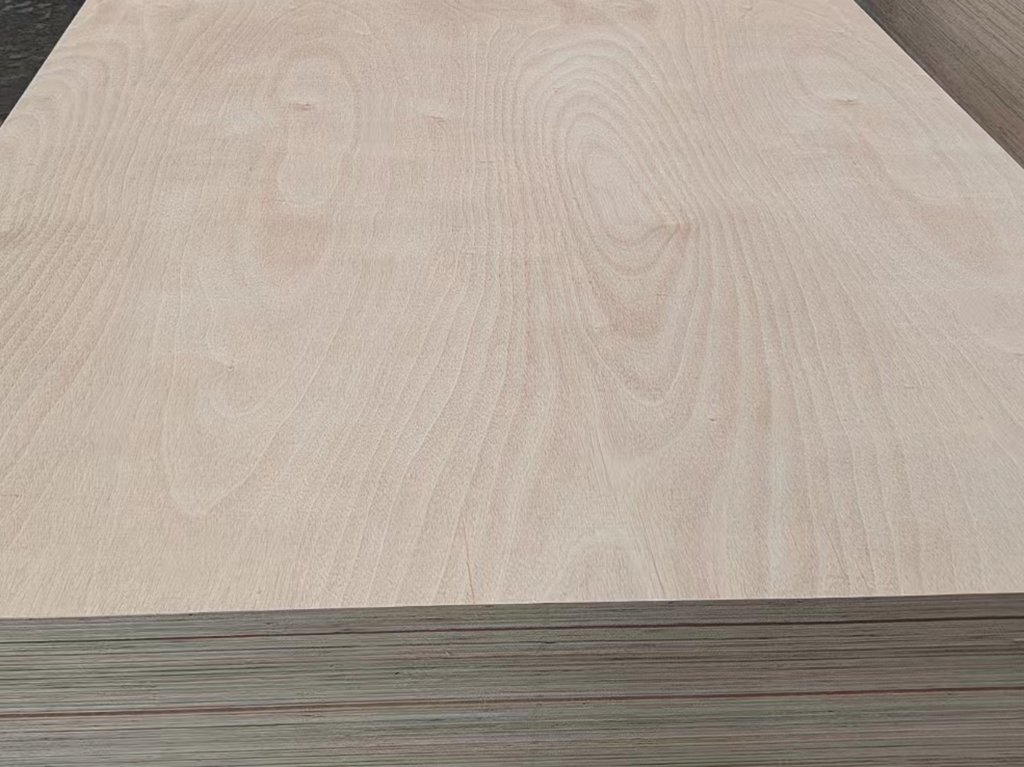
A plywood countertop earns its place when the surface needs to be flat, stable, and affordable without waiting weeks for a slab. Sheet panels lay down in an afternoon, screw into the frame cleanly, and take a wide range of finishes, which is why builders reach for them in kitchens, workshops, and utility rooms.
The smart spec starts with the face and the core, because those two lines decide how the panel looks, how it sits under loads, and how long it survives moisture at the sink line.
Countertops carry three demands at once: a smooth writing and working surface, enough stiffness to bridge the cabinet run, and a finish that rejects spills. Plywood answers all three with far less weight and cost than solid timber.
The panel arrives flat from the mill, and the multilayer construction resists the twisting that used to chase solid boards. Builders lay a sheet across the base cabinets, screw and glue the perimeter, then finish the top. A weekend build replaces a custom fabricator visit.
For renovation work, sheet goods beat the alternatives on logistics alone. A four by eight panel rides in a pickup, cuts on site, and joins with biscuits and glue where the run turns a corner, so the counter adapts to the room instead of the room adapting to a catalog panel.
Shop benches, laundry counters, and interim kitchens treat a sealed plywood top as the permanent answer. High-moisture cooking kitchens ask for more protection, which a film faced or heavily sealed surface supplies. Match the exposure to the specification and the panel stays in service.
The face veneer sets the appearance and the finishing behavior of the surface, and the grade letters name the quality of that face. Buyers should read the face pair before comparing prices.
A birch plywood countertop stands out in furniture-grade work because the face machines clean, sands to a satin sheen, and finishes without blotches. The closed grain also seals tighter than open-grained softwoods, which matters once coffee and water land on the surface every day.
Designers who want plywood countertop ideas usually start from the face: a clean birch field with a routed edge, a painted MDF skirt below, or a clear-coated surface that shows the plies at the edge for a deliberate look. The edge detail turns the panel from utilitarian into designed.
Beneath the face, the core plies carry the weight and resist the sag across the cabinet opening. Counter spans of twenty-four to thirty inches demand a panel with enough stiffness to stay flat under cookware and leaning weight.
More plies at a given thickness add stiffness, and a denser core adds strength per inch. Birch and hardwood cores outperform softwood cores on long unsupported runs, which is why the cabinet shop specifies them for island tops that carry a breakfast bar.
Panel thickness does the heavy lifting on span. An eighteen millimeter sheet stands up to everyday counter duty, while a thinner twelve millimeter panel suits backsplashes and side returns where reach stays short and loads stay light.
Suppliers such as HYY list the ply count and core species on the contract, so buyers can confirm the core matches the span before the sheet ships.
Long or cantilevered runs gain strength from blocking underneath. Screw a second strip of ply to the face frame and the unsupported span shrinks. Edge build-up, two plies laminated at the front edge, gives the counter the thick, routed profile customers expect from a furniture-grade top.
Sealing a plywood countertop decides how it handles liquid, and every plywood surface needs a moisture barrier before it works as a counter. Bare veneers drink water, swell at the edges, and stain from the first spill.
Oil-based polyurethane and hard-wax oils give the most forgiving field finish. Water-resistant lacquers suit interior counters that see moderate moisture. For wet kitchens, a resin or epoxy coat creates a seamless barrier that protects the panel without a daily maintenance ritual.
The cut edges deserve the most attention, because water enters the panel sideways where the end grain shows. A careful edge seal keeps the plies from swelling and delaminating at the sink and the seam line.
The comparison settles on stability, appearance, and cost per square foot, and each material wins a different job.
| Material | Stability | Finish range | Cost | Best duty |
|---|---|---|---|---|
| Plywood countertop | Excellent, low twist | Clear, paint, oil, laminate | Low to moderate | Benches, islands, utility tops |
| Solid wood | Expands across the grain | Clear and oil | Higher | Visible hardwood tops |
| Laminate sheet | Rigid on substrate | Printed patterns | Low | Budget work surfaces |
| Laminated plywood top | Very low twist | Seamless barrier | Moderate | Wet kitchen counters |
Solid wood beats plywood on grain appearance but trades it for seasonal movement. Laminate counters win on price yet look replaced quickly. A well-finished plywood countertop lands in the middle with the widest practical balance of looks and duty.
An order form with the right lines prevents a beautiful top that fails in service. Confirm each item with the supplier before the sheet ships.
Commercial Plywood covers the general job with dependable faces and a stiff core, while Melamine Plywood pre-finishes cabinet parts that frame the counter. On the interior lines, MDF Board machines flat for doors and skirts, and Chip Board anchors the budget range where the surface never shows.
Once the finish cures, caring for a sealed plywood countertop stays simple. Daily wiping with a damp cloth keeps the surface clean, and the sealed edge rejects standing water at the sink line. The one habit that matters is drying puddles quickly, because even a durable coating prefers a fast dry over a soaked patch. When the sheen eventually dulls from years of knife work and hot pans, a light sand plus one fresh coat of polyurethane restores the barrier without stripping the whole counter.
That repair cycle is where the panel pulls ahead of stone and laminate. A scratch or a worn patch returns to service with a spot fix in an afternoon instead of a fabricated replacement. Owners who respect the finish find the counter lasts through layout changes and appliance swaps, and the sheet keeps working long after a solid top would have cracked or gone out of style.
The build also stays flexible when the room changes. A plywood counter adapts to a new layout with a cut and a reseal, and the cost of that upgrade stays inside a weekend budget. That flexibility turns the panel into a working surface that supports heavy appliances, anchors a vice, or frames a breakfast bar without a custom order or a long lead time. The sheet earns its place because it handles the daily load now and stays easy to change when the room evolves later.
Can you use plywood for a kitchen countertop? Yes, with a sealed, water-resistant finish and careful edge sealing, because the panel stays flat and stable while the coating protects the veneer from everyday moisture.
What thickness of plywood makes a good countertop? Eighteen millimeter serves most counters, while thicker laminated build-ups handle long unsupported islands and heavy bar use.
Is birch plywood good for countertops? Birch offers a clean, closed-grain face that sands and finishes beautifully, making it a strong furniture-grade choice where the top stays visible.
Do I need to seal plywood before using it as a counter? Yes, bare veneer absorbs water and stains, so seal all six surfaces including the edges before the top enters service.
How long does a plywood countertop last? Sealed and maintained, a plywood top lasts for many years of normal kitchen and shop duty, and it resurfaces easily when the finish wears.
What is the most durable finish for a plywood countertop? An epoxy or resin coat gives the toughest seamless barrier, while oil-based polyurethane balances durability and repairability for everyday use.