Our Location
5th Floor, Huake Center, Lanshan District, Linyi City, Shandong Province, China

5th Floor, Huake Center, Lanshan District, Linyi City, Shandong Province, China
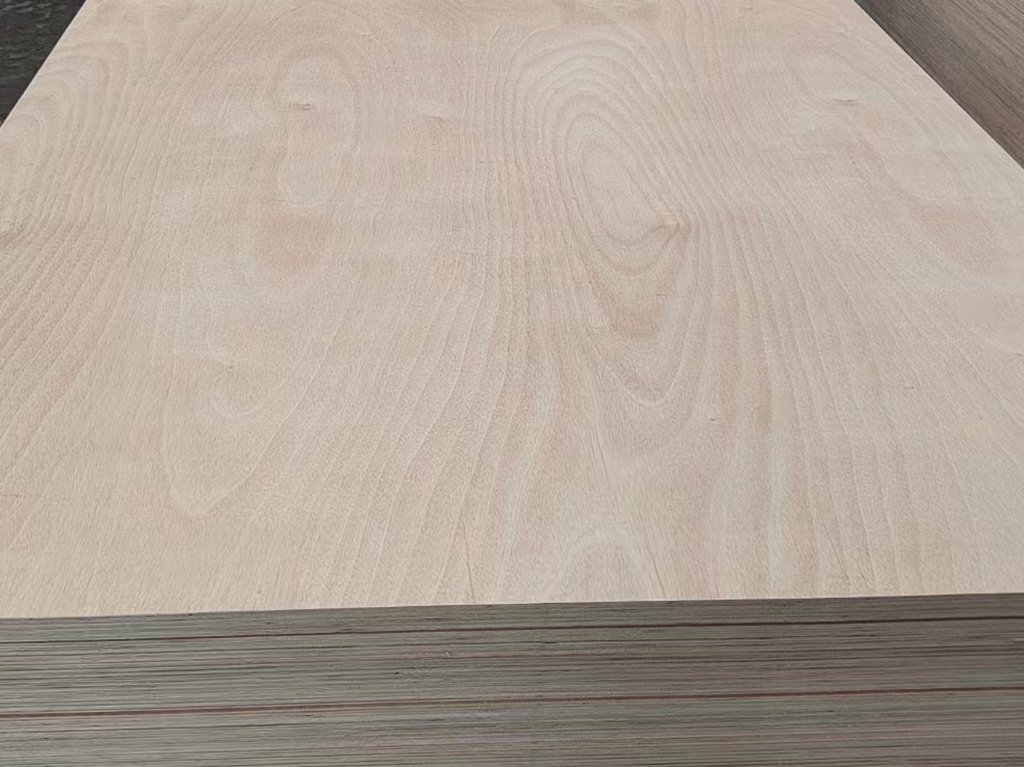
Buyers search for a plywood box when they need packaging that cardboard cannot provide: heavy machine parts, export crates, window frames, or one-off equipment that must survive a freight journey. This guide explains how a plywood box is built, the common types and their limits, the panel choices for strength and weather, and the details to settle before you ask for quotes.
Beyond strength, the specification decides freight weight, customs paperwork, and how many transfers the box survives. You will walk away with the build fundamentals, the panel choices, and a checklist that keeps supplier quotes comparable.
A plywood box is a rigid shipping container assembled from plywood panels joined at the corners and edges with battens, screws, staples, or corner blocks. The panels carry the load while the framing transfers force through the joints, which is why the weak point is almost always the fastening system rather than the sheet itself.
Four walls, a base, and a lid form the basic box, with timber battens screwed along the edges to square the construction and stiffen long spans. Openings for forklift forks, glued joints, or folded corners can be added without weakening the structure when the designer plans them into the panel layout. A solid base takes the heaviest point-load because the cargo rests on it for the whole journey, so most builders over-specify the floor and keep the walls economical where the load is only lateral.
Galvanized staples and screws work well for indoor storage, while hold-downs and vibration tie-downs suit export loads. As a rule, the fastener spacing matters more than the fastener length: uniform spacing spreads the load and stops one corner from peeling apart.
Box panels follow the same construction logic as any plywood: ply count and glue class set the limits. A weatherproof bond keeps an export case intact through condensation and port rain, while an interior bond suits short indoor moves. Ask for the adhesive class in writing and check the grade marked on the panel before it is cut into walls. If the box sits in a container for weeks, ask how the supplier seals corner joints and whether the lid overlaps the walls to shed water.
Box designs follow the cargo and the journey. A one-way export crate needs different treatment from a reusable workshop box, and knowing the route can change the specification before the first panel is cut.
| Box type | Construction | Best fit |
|---|---|---|
| Open crate | Framed base and partial cover | Bulk freight with a flexible load face |
| Closed plywood box | Full panels with sealed edges | Parts needing dust and weather protection |
| Hinged-lid box | Reusable lid on edge battens | Tools and parts handled repeatedly |
| Export case | Battens, steel strapping, optional lining | Ocean freight and multi-handling routes |
In contrast, custom shapes such as palletized bases with box walls reduce total freight volume while keeping the stack stable inside a container.
Most processors also cut custom lengths on top of nominal sizes, so a repeatable lid, a removable side, or a drawer base can be shared across a family of boxes that occupy one footprint. That consistency cuts dock handling time and keeps spare lids interchangeable between shipments. When you order a batch, ask whether the processor can nest different box sizes in one panel order, because sharing purchases across sizes trims waste and per-unit price.
Panel selection for a plywood box balances strength, moisture resistance, weight, and cost. A 12 mm panel suits light machine parts in dry storage, while 18 mm or thicker framing handles heavy cargo and rough handling where humidity or rain is expected.
| Panel thickness | Typical box use | Trade-off |
|---|---|---|
| 9-12 mm | Light parts, short dry runs | Low weight, cheaper freight |
| 15-18 mm | Heavy parts, repeated handling | Strong walls, higher cost |
| 18 mm with battens | Export cases and stacks | Maximum rigidity, heaviest |
Furthermore, weight drives freight cost, so specify the thinnest panel that survives the heaviest point-load on any single face. Suppliers can recommend a thickness based on the cargo weight and the number of handling operations.
Also think about the panel face that points at the cargo. A smooth melamine face resists scuffing on reusable boxes, while a film-faced surface wipes clean after wet work. Bare commercial panels cost least and work fine where appearance does not matter.
A plywood box saves money when the features match the handling plan. Extra bracing on a box that never leaves a container is wasted weight, while skipping a bed for forklift entry can double unloading time at the dock.
A vapor barrier, for example, is a waterproof layer between the cargo and the box walls; it protects electronics and bare metal from condensation even when the box exterior stays dry. Defining the term matters because it prevents two mistakes: paying for a barrier on a dry domestic run, or skipping it on a container voyage where condensation is guaranteed.
Consequently, settling these items before quoting lets the supplier price the build accurately instead of passing along change-order costs later.
Export specification turns a general box into a predictable shipping asset. Route, handling steps, and destination rules each add requirements, so write them down before the supplier prices the job. Start with the cargo weight and dimensions, then describe every transfer from your loading dock to the final receiver.
Price then follows the specification instead of surprise change orders. Suppliers can match customs documentation, stamping, and structural claims when the requirements appear on paper before quoting.
These questions come up on nearly every plywood box inquiry, whether the buyer runs a workshop or manages an export operation.
Strength comes from the framing plan, not the panel thickness alone. A 12 mm sheet with close battens carries far more than the same sheet unsupported over a long span, so confirm the batten spacing and fastener pattern for the heaviest point-load in your cargo. Stacking loads change the math again, because the bottom box carries the weight of every box above it. Point-loads concentrate on a single area, so a box that survives uniform stacking may still fail under one dropped corner.
Standard plywood boxes suit dry routes, while export cases add water-resistant construction, sealed joints, and steel strapping for ocean voyages. Confirm the exposure and the number of transfers with the supplier, because a two-week ocean crossing packs more moisture stress than a one-day truck run. If the box stands on a dock before loading, add edge protection and a slope for rain runoff.
Regulations for timber packaging vary by destination. Ask the supplier which heat treatment, stamping, or documentation the box needs for your specific export lane rather than assuming one treatment fits every country. The inspection mark usually goes on the visible face, so plan the stencil position before the box leaves the shop.
Most quotes need a cargo weight, outside dimensions, handling plan, and destination route. Provide a clear drawing or specification and the supplier can lock panel grade, batten layout, and fastening into one price instead of estimating blindly. A written spec also gives you a fair baseline when three shops quote the same job.
Yes, and small runs still use standard panel cores, so lead time stays short when the design sticks to common sizes. Box shops that build export packaging routinely, such as HYY, keep commercial and film-faced stock ready for the order. Lead time depends on the core size and the finishing steps, so a plain commercial-panel box ships faster than a lined and strapped export case.