Our Location
5th Floor, Huake Center, Lanshan District, Linyi City, Shandong Province, China

5th Floor, Huake Center, Lanshan District, Linyi City, Shandong Province, China
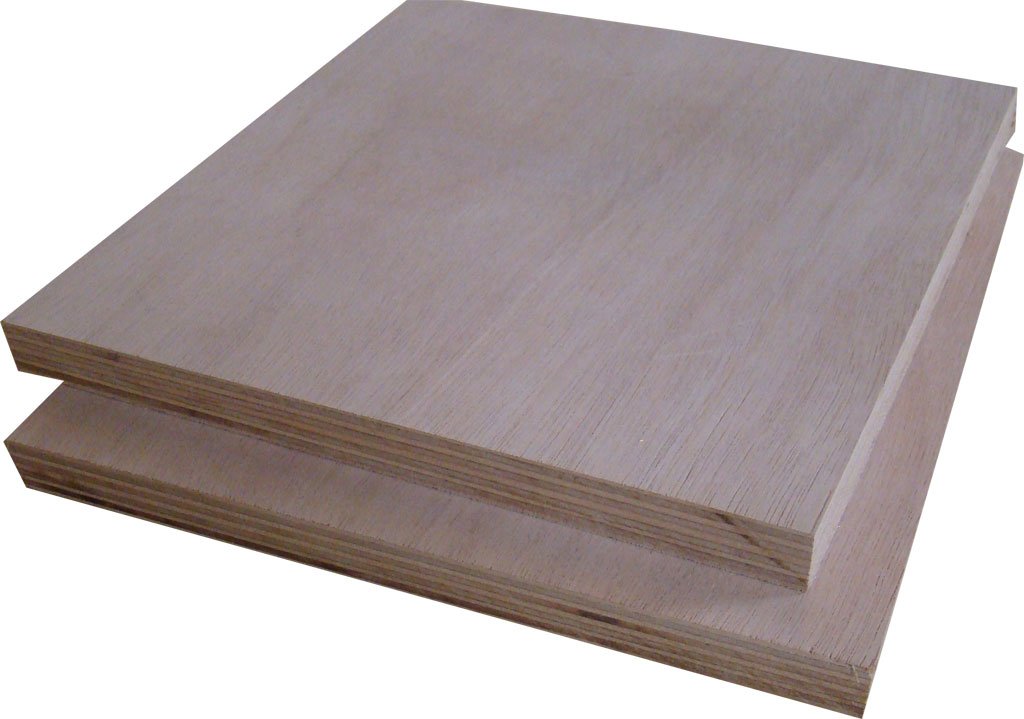
Marine plywood is a panel built with a waterproof bond, void-free veneers, and a durable face species, so it resists the water that destroys a standard panel. The panel suits boats, docks, bathrooms, and any project where the wood meets constant moisture.
The value of marine plywood comes from the bond and the core, because a panel that stays sound in the water lasts far longer than a standard panel that delaminates. The maker pays more for the grade and gets a panel that survives the exposure.
Marine plywood is a sheet made with a waterproof adhesive, high-quality veneers with few voids, and a face species that resists rot. The panel is graded for its bond and its core, and the grade tells the buyer what the panel suits.
The glue line is the defining feature. A marine panel uses a fully waterproof bond that holds the layers together even when the panel is soaked, while a standard panel uses a bond that fails at the first soaking.
The veneers are selected for quality, with few knots and voids, because a void traps water and starts the rot. The face species is usually a durable hardwood that resists the weather.
The waterproof bond is the core of the marine grade, because it keeps the layers together in the water. A panel with a waterproof bond survives the soaking that destroys a standard panel.
The void-free veneers keep the water out of the core, because a void is a pocket that holds moisture and starts the delamination. A panel with a sound core lasts longer in the wet.
The grade sets the quality. A marine plywood is graded by the face, the core, and the bond, and the grade tells the buyer how the panel will perform. A fine face with a sound core suits a visible project, while a utility grade suits a hidden part.
The standard for marine plywood varies by region, with some markets using a British standard and others a local equivalent. The buyer checks the standard on the panel and matches it to the project.
The thickness follows the duty. A thin panel suits a small boat or a lining, while a thick panel suits a hull or a structural part. The maker matches the thickness to the load and the exposure.
The face grade sets the appearance, the core sets the strength and the stability, and the thickness sets the load capacity. The buyer matches all three to the job.
The thickness follows the span and the load, because a thin panel flexes and a thick panel is stiff. The maker chooses the thickness that carries the load without waste.
Marine plywood suits boats, docks, decking, and wet areas. A boat hull, a dock panel, or a bathroom vanity uses marine plywood because it resists the water that a standard panel cannot.
In boats, marine plywood builds hulls, decks, bulkheads, and interior joinery, where the panel meets the water and the weather. In buildings, it builds wet rooms, pool surrounds, and exterior features.
The panel also suits outdoor furniture and garden structures, where the weather and the damp would destroy a standard panel. A marine panel lasts in the exposure.
In boats, marine plywood builds the structure that meets the water, from the hull to the deck. In docks, it builds the surfaces that face the water and the weather. In wet rooms, it builds the vanity and the joinery that see the damp.
The maker chooses the panel by the exposure, because a panel that faces constant water needs the marine grade, while a panel that stays dry can use a standard grade.
Cut marine plywood with a sharp blade to avoid chipping the veneer, and use a backing board on the cut edge. A sharp blade and a steady feed leave a clean edge that takes the finish.
Machining marine plywood is similar to other plywood, but the face is often a dense hardwood that can burn if the bit is dull. A sharp bit and a steady feed keep the face clean and the profile smooth.
Glue and finish the panel as the maker would any plywood, but take extra care with the edges, because the exposed core is where the water enters. A sealed edge keeps the panel sound.
Cut with a fine-tooth blade and a backing board, because the face veneer chips at the exit edge. Machine with a sharp bit and a steady feed, because a dull bit burns and lifts the face.
Seal every edge with epoxy or a marine sealer, because the core at the cut is where the water wicks in. A sealed edge keeps the panel from delaminating at the points the water reaches first.
The finish protects the surface and blocks the moisture. An epoxy coating or a marine varnish seals the panel, and a paint adds a layer of protection and colour. The maker chooses the finish by the exposure.
Sheathing with epoxy and glass is standard on a boat hull, because the glass takes the knocks and the epoxy blocks the water. The panel stays dry behind the coating, which is what keeps it sound.
Coating the inside of the panel matters as much as the outside, because condensation and bilge water reach the inner faces. The inner skin needs the same sealing the outer skin receives.
An epoxy coating gives a tough, waterproof barrier that protects the panel and the joints. A marine varnish gives a clear, UV-resistant finish that shows the timber. A marine paint gives a durable, coloured finish.
The maker chooses the finish by the exposure, because a hull in the water needs an epoxy and glass, while a bathroom vanity can take a varnish or a paint.
Marine plywood costs more than a standard plywood, because the bond and the veneers are higher quality and the manufacturing is more demanding. The price reflects the durability and the service life.
The value comes from the panel’s life in the wet. A marine panel that lasts years in the water costs less per year than a standard panel that fails in months. The buyer calculates the cost per use.
The buyer compares the grade, the standard, and the core, because a panel with a fine face and a poor core wastes the money spent on the face. The buyer matches the panel to the exposure.
Budget for the grade and the standard the project needs, because a fine face and a high standard cost more than a utility grade. The buyer matches the budget to the exposure.
Include the epoxy, the glass, and the sealers in the budget, because a marine panel needs a coating to perform. A bare panel in the water fails early.
The right panel depends on the job. Film Faced Plywood gives a tough, sealed face for formwork and wet areas, while Commercial Plywood serves general construction and furniture. Melamine Plywood suits a wipe-clean interior, MDF Board suits painted interiors, and Chip Board covers budget dry builds.
Suppliers such as HYY list the grade, the standard, and the thickness on the contract, so the buyer can order a panel that suits the exposure and the job.
The buyer matches the marine plywood to the exposure, because a panel that faces constant water needs a higher grade than a panel that sees occasional damp. A boat hull needs a fine grade, while a bathroom vanity can use a utility grade.
The buyer also checks the standard and the core, because a panel with a waterproof bond and a void-free core performs in the water. A panel with a weak core or a standard bond fails early.
The buyer compares the grades and the prices, because a fine face and a high standard cost more than a utility grade. The buyer matches the budget to the exposure.
The first mistake is using marine plywood without sealing the edges. The exposed core at the cut wicks water and delaminates, so every cut edge needs an epoxy or a marine sealer.
The second mistake is using a standard plywood where the water is constant. A standard panel delaminates at the first soaking, so a wet job needs the marine grade.
The third mistake is skipping the coating. A bare panel in the water fails early, because the coating is what blocks the moisture that reaches the panel.
What is marine plywood? A panel built with a waterproof bond, void-free veneers, and a durable face, so it resists the water that destroys a standard panel.
Is marine plywood waterproof? The bond is waterproof, so the panel resists soaking, but every cut edge still needs sealing, because the exposed core wicks water.
What is the difference between marine plywood and regular plywood? Marine plywood uses a waterproof bond and void-free veneers, while regular plywood uses a standard bond and may have voids.
Where is marine plywood used? Boats, docks, decking, wet rooms, outdoor furniture, and any project where the wood meets constant moisture.
How do you finish marine plywood? Seal the edges with epoxy or a marine sealer, then coat the faces with epoxy, a marine varnish, or a paint to block the moisture.