Our Location
5th Floor, Huake Center, Lanshan District, Linyi City, Shandong Province, China

5th Floor, Huake Center, Lanshan District, Linyi City, Shandong Province, China
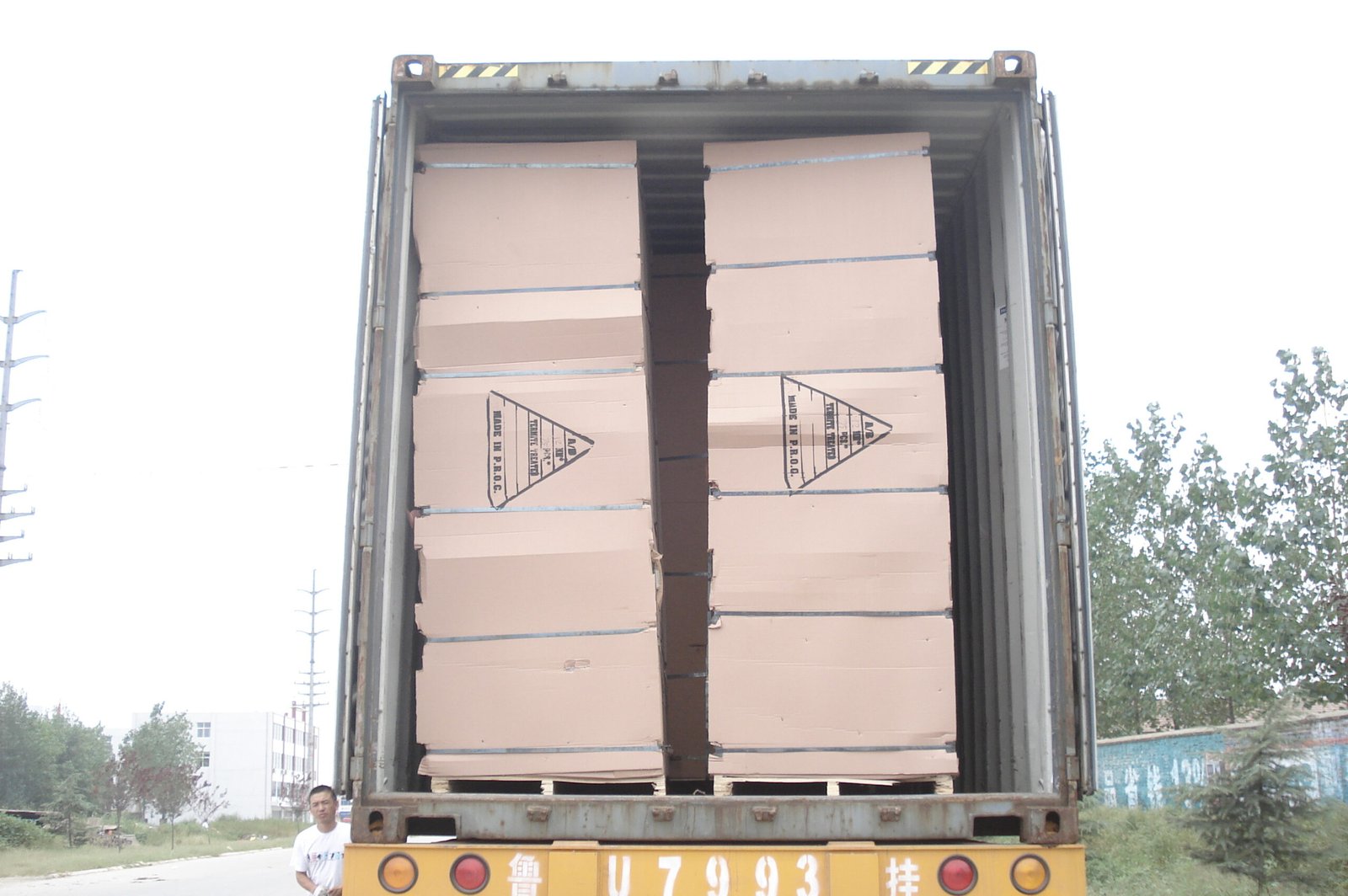
Plywood construction hoarding is the temporary perimeter wall that surrounds a building site, made from plywood panels fixed to a frame. The hoarding keeps the site secure, shields the public from the work, and provides a surface for signage and notices.
The hoarding succeeds when the panels are strong enough, the frame is solid, and the fixing resists the wind and the weather. A hoarding that fails on a windy day is a hazard, so the design and the materials matter.
Construction hoarding creates a barrier between the site and the public, keeping the work contained and the passers-by safe. The hoarding also carries the site signage, the safety notices, and the project information.
The hoarding suits sites in public areas, where the work would otherwise expose the public to danger. A solid hoarding is a legal requirement in many jurisdictions, so the builder provides it as part of the site setup.
The hoarding also protects the site from trespass and theft, because a solid barrier is harder to climb or to break through than a fence.
The hoarding panel must resist the weather and the knocks of site work. A construction or an exterior-bonded plywood suits the job, because it carries the wind load and resists the rain.
The thickness follows the span and the wind exposure. A thick panel spans further and resists the wind better, while a thin panel needs closer supports and may flex in a gale.
The face should be smooth enough for signage and paint, because the hoarding carries the site’s public face. A sound face takes the paint and the notices cleanly.
An exterior or a moisture-resistant bond keeps the panel sound in the rain, while an interior bond delaminates at the first soaking. The hoarding faces the weather, so the bond matters.
The thickness follows the design: a tall hoarding in an open area needs a thicker panel and closer supports than a low hoarding in a sheltered spot.
The frame carries the panel and the wind load. A timber or a metal frame with posts at close spacing supports the panels, and the fixing resists the wind pressure on the hoarding face.
The panels fix to the frame with screws or nails at close spacing, so the panel does not lift or rattle in the wind. A secure fixing keeps the hoarding solid and quiet.
The base of the hoarding sits on a solid footing or a weight, so the wind cannot lift the whole panel. A weighted or a anchored base keeps the hoarding upright.
The posts carry the vertical load and the wind pressure, and they space to the panel thickness and the height. The rails support the panels horizontally and give the fixing points.
The fixings are corrosion-resistant, because the hoarding faces the weather and a rusted fixing fails early. A galvanised or a stainless screw keeps the panel secure.
The hoarding faces the wind, so the design accounts for the wind pressure on the face. A solid hoarding catches the wind like a sail, so the frame and the footing resist the load.
The height and the exposure set the wind load. A tall hoarding in an open area needs a stronger frame and a heavier base than a low hoarding in a sheltered spot.
The design also accounts for the gates and the openings, because a weak point in the hoarding is where the wind finds a way in. A braced opening keeps the hoarding solid.
The wind load on the hoarding face is a pressure that pushes the panel and the frame. The design resists the pressure with a solid frame, a heavy base, and a bracing system that ties the whole hoarding together.
The builder checks the local wind speed and the exposure, because the design must match the conditions the hoarding will face. A hoarding designed for a sheltered spot fails in an open area.
The hoarding must comply with the local rules for site safety, which set the height, the strength, and the signage. The builder checks the regulations before building the hoarding, because a non-compliant hoarding is a fine and a hazard.
The hoarding also carries the safety notices and the project information, because the public has a right to know what is happening behind the barrier. A clear sign keeps the public informed.
The hoarding is inspected regularly, because a hoarding that has shifted or damaged is a hazard. A routine inspection catches the problem before it fails.
Start with the base and the posts, because a solid frame is the foundation of a safe hoarding. Set the posts at the right spacing and fix them to the base, then add the rails.
Fix the panels to the frame with the right spacing and the right fixings, because a panel that lifts in the wind is a hazard. A secure fixing keeps the hoarding solid.
Add the signage and the notices, then inspect the hoarding for stability and compliance. A hoarding that passes the inspection is ready for the site.
Inspect the hoarding after a storm or a high wind, because a hoarding that has shifted or damaged needs repair before it fails. A routine inspection keeps the hoarding safe.
Maintain the hoarding by re-tightening the fixings, replacing damaged panels, and checking the base. A well-maintained hoarding lasts the length of the project.
The hoarding panel must resist the weather and the knocks of site work. Film Faced Plywood gives a tough, reusable face that suits hoarding, while Commercial Plywood serves a general-purpose hoarding. Melamine Plywood suits a hoarding that needs a clean face, MDF Board is not suited to outdoor hoarding, and Chip Board covers a short-term, low-exposure hoarding.
Suppliers such as HYY list the grade, bond class, and thickness on the contract, so the buyer can order a panel that suits the hoarding and the exposure.
The hoarding design follows the site’s needs and the local rules. A hoarding in a busy pedestrian area needs a solid face and clear signage, while a hoarding in a quiet area may be simpler. The design matches the exposure.
The hoarding also needs a gate for access, and the gate must be as solid as the hoarding itself. A weak gate is where the site is breached, so the gate gets the same treatment as the wall.
The hoarding design accounts for the wind, the rain, and the knocks of site work, because a hoarding that fails on a windy day is a hazard. A well-designed hoarding lasts the length of the project.
A hoarding panel that is sound can be reused on another project, because the panel is flat and tough. A film-faced or a tough exterior panel reuses well, while a damaged panel is recycled.
The site plans the hoarding for reuse, because a panel that is dismantled carefully and stored flat serves again. A reused panel lowers the cost per project.
The hoarding is often the public face of a construction project, so the design and the finish matter. A hoarding that is clean, well-painted, and clearly signed projects a professional image for the builder.
The hoarding can carry the project’s branding, the builder’s logo, and the project information, turning a temporary wall into a marketing opportunity. A well-designed hoarding benefits the builder and the project.
The hoarding also suits community engagement, because a clear and informative hoarding keeps the neighbours informed and reduces complaints. A good hoarding is a good neighbour.
The hoarding design follows the environment. A hoarding in a busy city centre needs a solid face, clear signage, and a pedestrian-friendly route. A hoarding in a quiet suburb may be simpler.
The hoarding also accounts for the local rules, because the regulations for hoarding vary by jurisdiction. The builder checks the rules before building, because a non-compliant hoarding is a fine and a hazard.
The hoarding in a coastal area faces the salt air and the wind, so the design and the fixings resist the corrosion. A well-designed hoarding lasts in any environment.
What plywood is best for construction hoarding? An exterior or moisture-resistant plywood with a tough face suits hoarding, because it resists the weather and the knocks of site work.
How thick should hoarding plywood be? The thickness follows the span and the wind exposure, with thicker panels for tall hoardings and open sites.
How do you fix plywood hoarding? Fix the panels to a frame with corrosion-resistant screws at close spacing, and anchor the base so the wind cannot lift the hoarding.
Is hoarding plywood reusable? A film-faced or a tough exterior panel can be reused on another project, which lowers the cost per use.
What are the safety requirements for hoarding? The local rules set the height, the strength, and the signage, and the builder checks the regulations before building.