Our Location
5th Floor, Huake Center, Lanshan District, Linyi City, Shandong Province, China

5th Floor, Huake Center, Lanshan District, Linyi City, Shandong Province, China
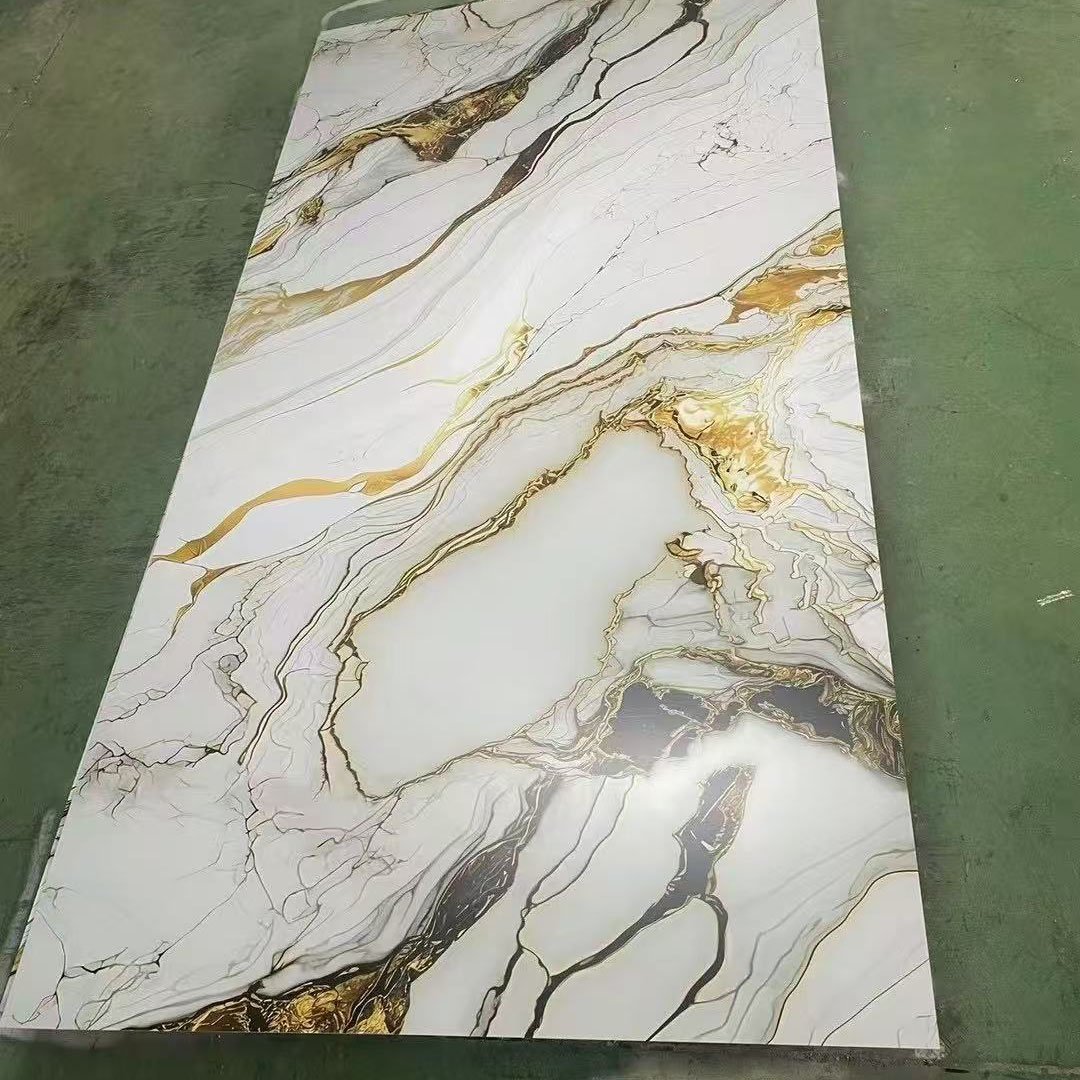
When engineers and importers search for a plywood board, they usually need one specific sheet: the right thickness, grade, and face for a job that will leave the workshop. This guide explains how a plywood board is built, the sizes suppliers actually stock, how face grades change price and performance, and the questions to settle before you order.
The right answers save money two ways. You avoid paying for a premium face you will only hide, and you avoid a second order when the first batch fails on site. Most experienced buyers resolve both by comparing specifications instead of sticker prices before they commit.
A plywood board starts as thin veneer layers peeled from logs and pressed together with adhesive under heat. The cross-laid construction separates plywood from solid wood: each layer sits with its grain at right angles to the layer below, so the sheet resists warping and splitting in both directions. Buyers who understand ply count and glue class get panels that behave predictably on site.
Every panel stacks multiple veneers, and the number of plies matters more than many shoppers expect. A sheet with five thin plies stays flatter and machines cleaner than one with three thick plies, even at the same nominal thickness. Ask the supplier for the ply count before you compare prices, because the same advertised thickness can hide very different constructions. Buyers who order full containers often ask for the ply schedule in writing, since it is the fastest check on whether two mills are quoting the same board.
The glue line decides how a plywood board reacts to moisture and load. Interior-grade panels use standard adhesives that tolerate dry indoor use, while exterior and structural panels carry fully weatherproof bonds that survive repeated wetting. Confirm the bond class in writing before you buy; a clean face never proves that the core adhesive will hold.
Performance claims mean little without the construction behind them. A structural board holds its stiffness across long spans, while a lighter furniture grade flexes under the same load. Likewise, moisture resistance comes from the adhesive and veneer quality, not from the face color or the brand label. Check the supplier spec sheet for bond class and structural rating, then match those numbers to the building code or the project engineer requirement for your market.
Most mills produce plywood boards in a compact set of sheet sizes, and thickness options run from thin flexible panels to heavy structural decks. Matching the stock size to your cut list reduces waste and keeps freight economical, so check the supplier sheet dimensions before you design around a custom measurement.
| Nominal thickness | Actual thickness | Common uses |
|---|---|---|
| 3 mm | 2.5-2.7 mm | Flexible liners, drawer backs, signage |
| 9 mm | 8.2-8.8 mm | Light shelving, packing, craft projects |
| 12 mm | 11.1-11.7 mm | Furniture, partitions, general joinery |
| 18 mm | 17.2-18.0 mm | Subfloor, formwork, racks |
| 24 mm | 23.0-23.8 mm | Heavy structural framing and decks |
Face grade controls how a plywood board looks and how much it costs, because a clean face reduces the usable yield a mill gets from each log. Buyers who match face grade to the final use stop paying for premium surfaces they will only paint over or hide inside a wall.
| Grade | Face quality | Best fit |
|---|---|---|
| A | Smooth, sanded, few repairs | Visible cabinetry and millwork |
| B | Sound face, minor repaired defects | Painted or laminated surfaces |
| C/D | Repaired knots and small voids | Sheathing and hidden panels |
A sanded face means the mill planed the outer veneer to a smooth, uniform surface that takes paint, laminate, or a clear coat with minimal preparation. An unsanded face keeps a lighter texture for grip and costs less, but it shows grain and tooling marks. This definition matters because buyers often compare a sanded quote against an unsanded quote and assume the price gap is markup when it is actually construction.
Moreover, a sanded face simplifies finishing, while an unsanded structural face usually costs less per sheet. Decide where the surface will sit in the final product, then choose the lowest grade that still looks acceptable in that position.
Selecting a plywood board starts with the environment and the load, not with brand loyalty. First, identify moisture exposure and structural demand; next, confirm the thickness and face requirements; finally, match the panel to a supplier who stocks that exact construction consistently.
As a result, most buyers keep two or three panel types in stock instead of one universal sheet, because no single product excels at both appearance and weather resistance. The same principle applies to certification: choose the lowest grade that still meets the project spec, and you keep the unit cost down without risking a rejection at delivery.
Export buyers face a different set of decisions than local workshops. Bulk orders lock in grade, thickness, and packaging months ahead, so the specification errors a single-sheet buyer shrugs off become expensive across a full container. Decide the target market building practices first, then fix panel construction before negotiating freight.
Finally, a reliable export supplier inspects panels at the mill and keeps batch records, so a claim can be traced to a specific load instead of being disputed after discharge. Ask how the factory handles moisture checks, and you will see quickly whether the team treats quality as a process or as a slogan.
These are the questions that come up on almost every plywood board order, with answers that apply across suppliers and markets.
Plywood uses cross-laid veneer layers, which give it predictable strength in both directions and firm edge screw-holding. Chip board compresses wood particles with adhesive, so it costs less but chips at the edges and swells when wet. For smooth painted furniture faces that carry no heavy load, a denser fiberboard sheet gives an even surface, but it swells quickly when wet and holds screws less firmly at the edges. Choose chip board for flat, dry, non-structural panels and plywood where edges or moisture will be exposed.
No standard plywood board is fully waterproof, but exterior grades carry full weatherproof adhesive that survives repeated wetting and drying. Testing standards and immersion grades vary by market, so confirm the specific bond and applicable standard with the mill before you rely on it. For permanent water contact, ask the supplier whether a marine-rated construction fits the exposure, and request the test report rather than a verbal claim.
Sanded faces cost more but finish cleanly for paint, laminate, or visible joinery. Unsanded structural faces grip adhesives and floor coatings better and usually arrive cheaper. Choose sanded only where the surface will remain visible or receive a smooth finish; hiding a mid-grade face behind primer wastes nothing when the panel is fully painted.
Divide your cut list area by the usable sheet area, then add five to ten percent for waste and grain direction. Confirm the exact sheet dimension first, because imperial and metric panels differ slightly and the waste percentage changes quickly. Running one extra sheet per twenty in the order is a cheap hedge against a mid-project shortage that stops the crew.
Price moves with veneer species, ply count, glue class, face repairs, and freight route. Two suppliers quoting the same thickness can differ by a wide margin on construction alone, so compare specifications rather than totals. A supplier with steady export programs, such as HYY, publishes consistent spec sheets so you can verify what each price actually buys.